It’s been thirty-two weeks since I’ve run a puzzle featuring primates—too long, as you’ll no doubt agree. If you solvedCrossword 055, you’ll recall that it featured only monkeys that are not also apes. I made it that way on purpose, so as to leave the way open for a future ape-specific puzzle. That future has arrived!
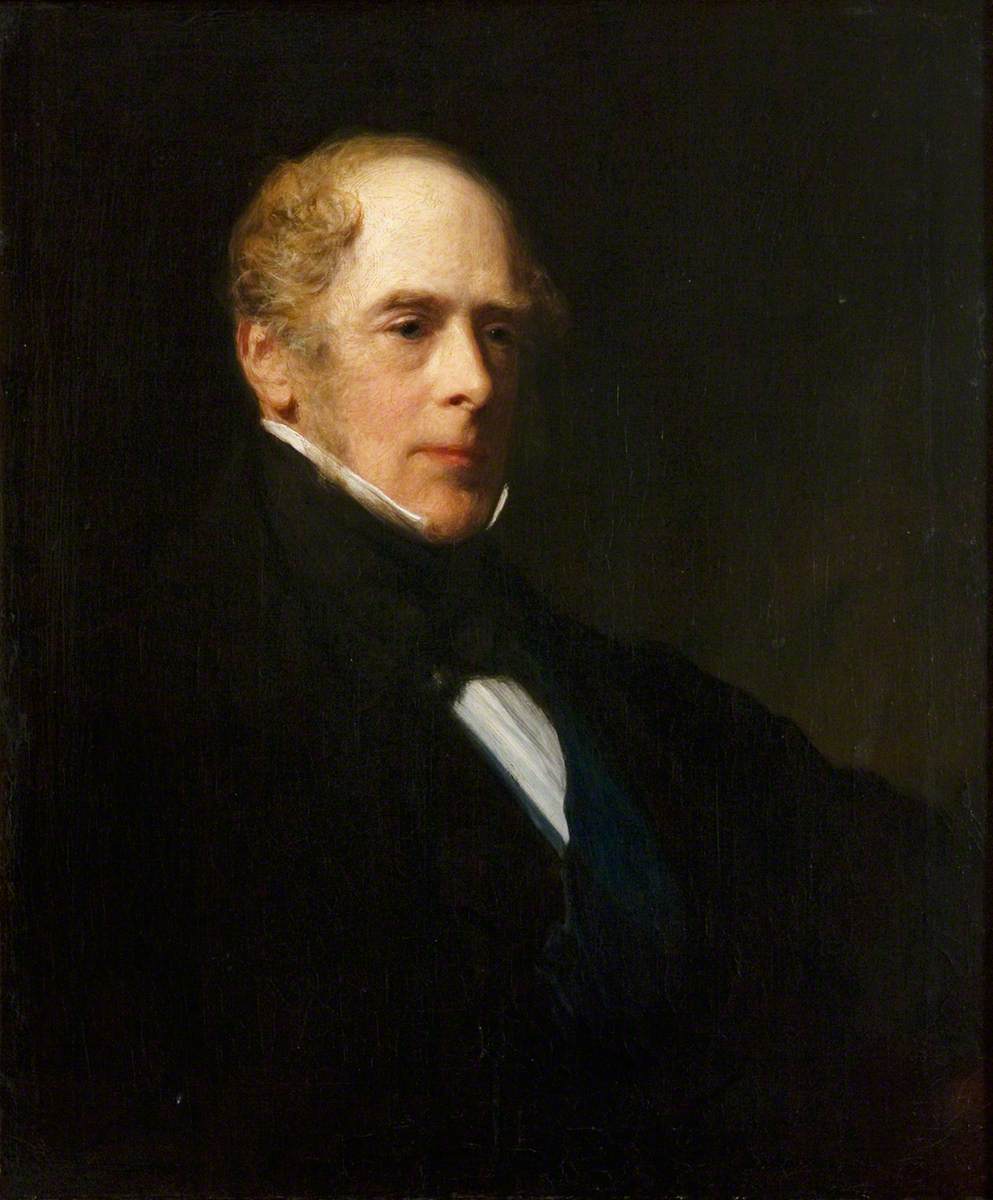
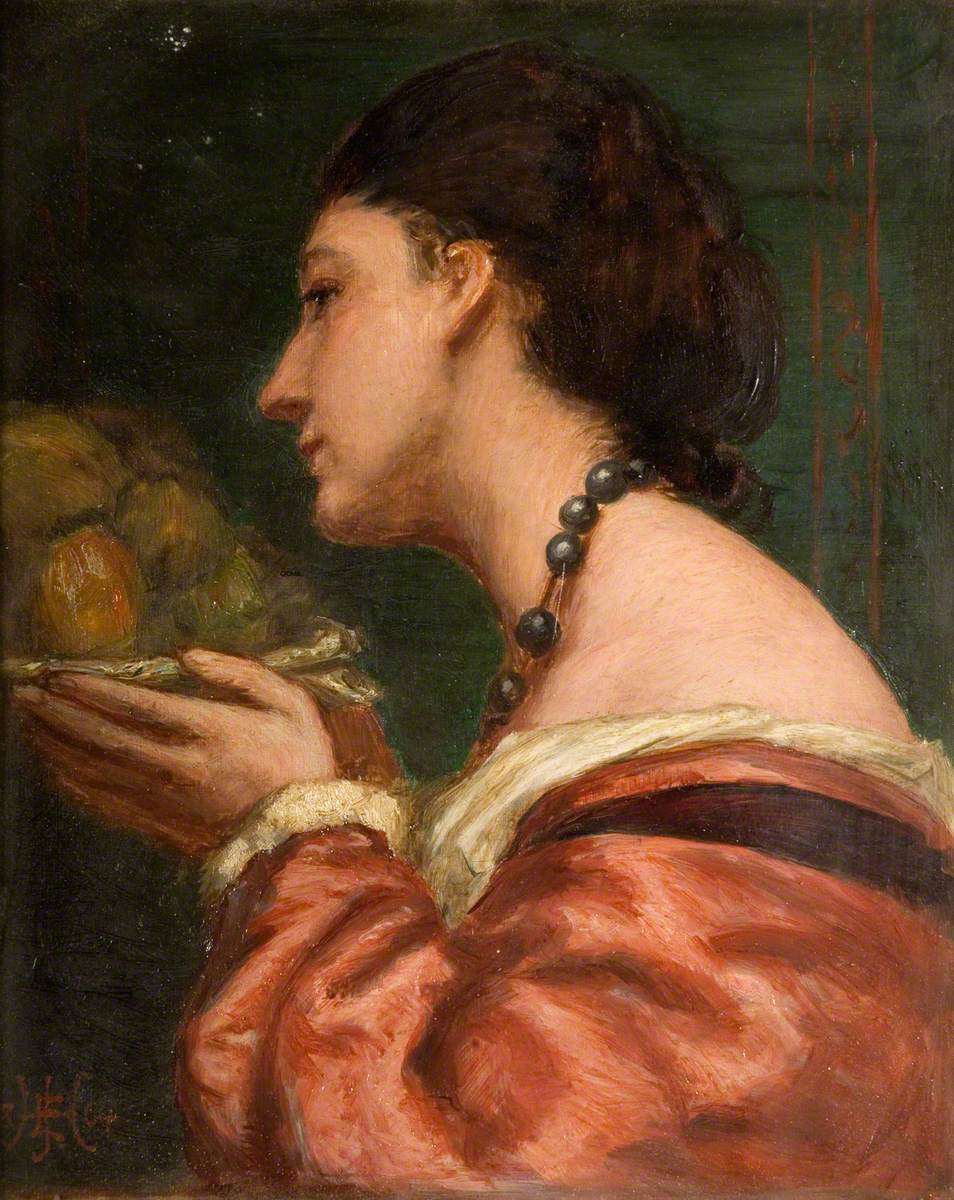
James Sant, George Villiers, 4th Earl of Clarendon
Here I sit, comfortably ensconced in my book-lined study, a snifter of cognac in my hand, a knowing glint in my eye, and . . . I can’t think of a thing to say.
Alas, today’s preposition was way too easily profused, and in consequence I’ve come all too close to a crossword theme made of actual phrases properly interpreted. I’ll try not to come this close again. I don’t know how many promising theme ideas I’ve had to discard for no other reason than that they led, like this one, directly to phrases real people might really use. Other constructors are not so scrupulous, and that’s why discriminating solvers like you keep returning to David Alfred Bywaters’s Crossword Cavalcade.
A mighty profound puzzle today, what with French philosophers, and the nature of being, and the unity of all things. Philosophers are going to figure out the meaning of life eventually. Meanwhile, if you’ve never heard of Mike and Jack (51 Across), I congratulate you.
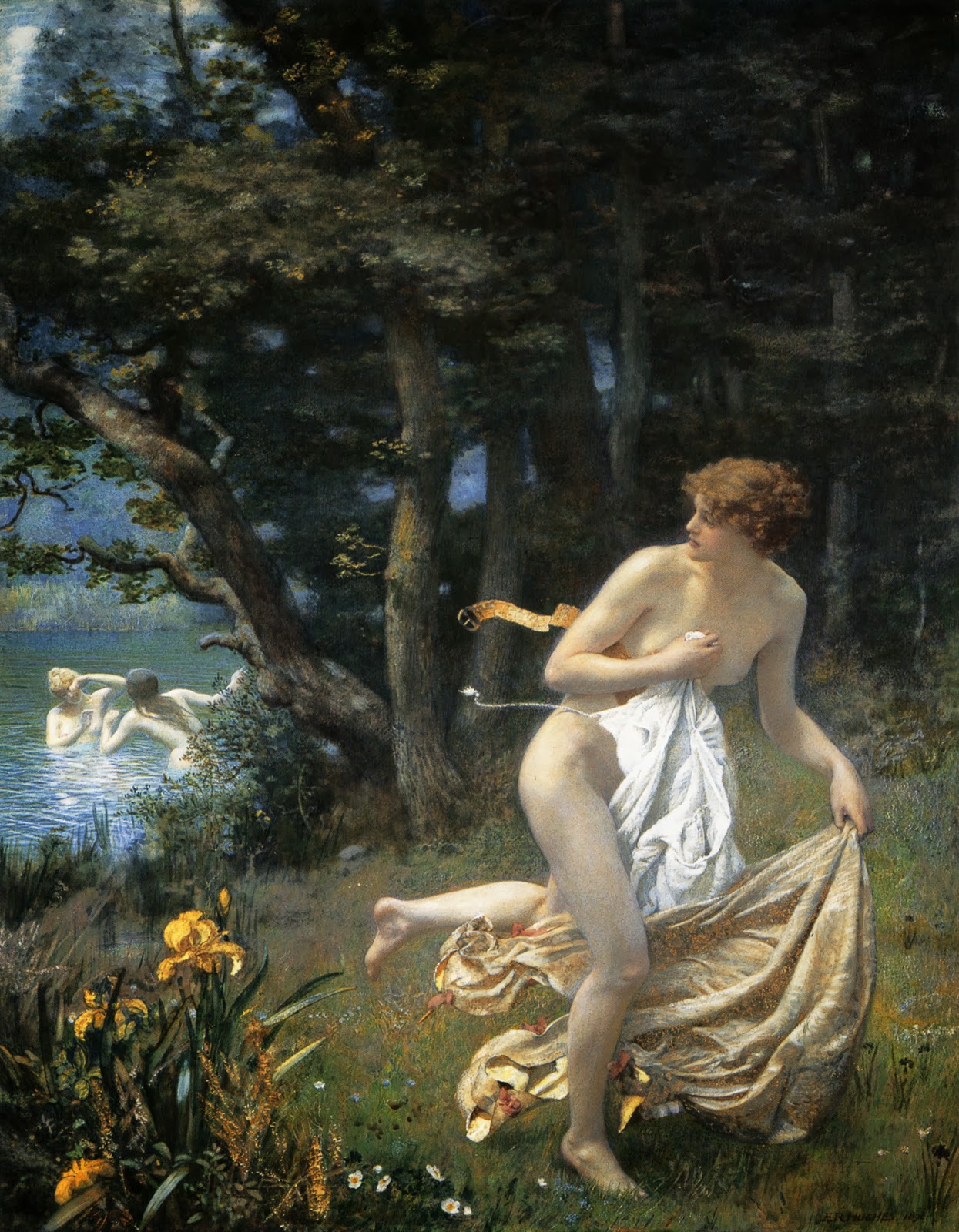
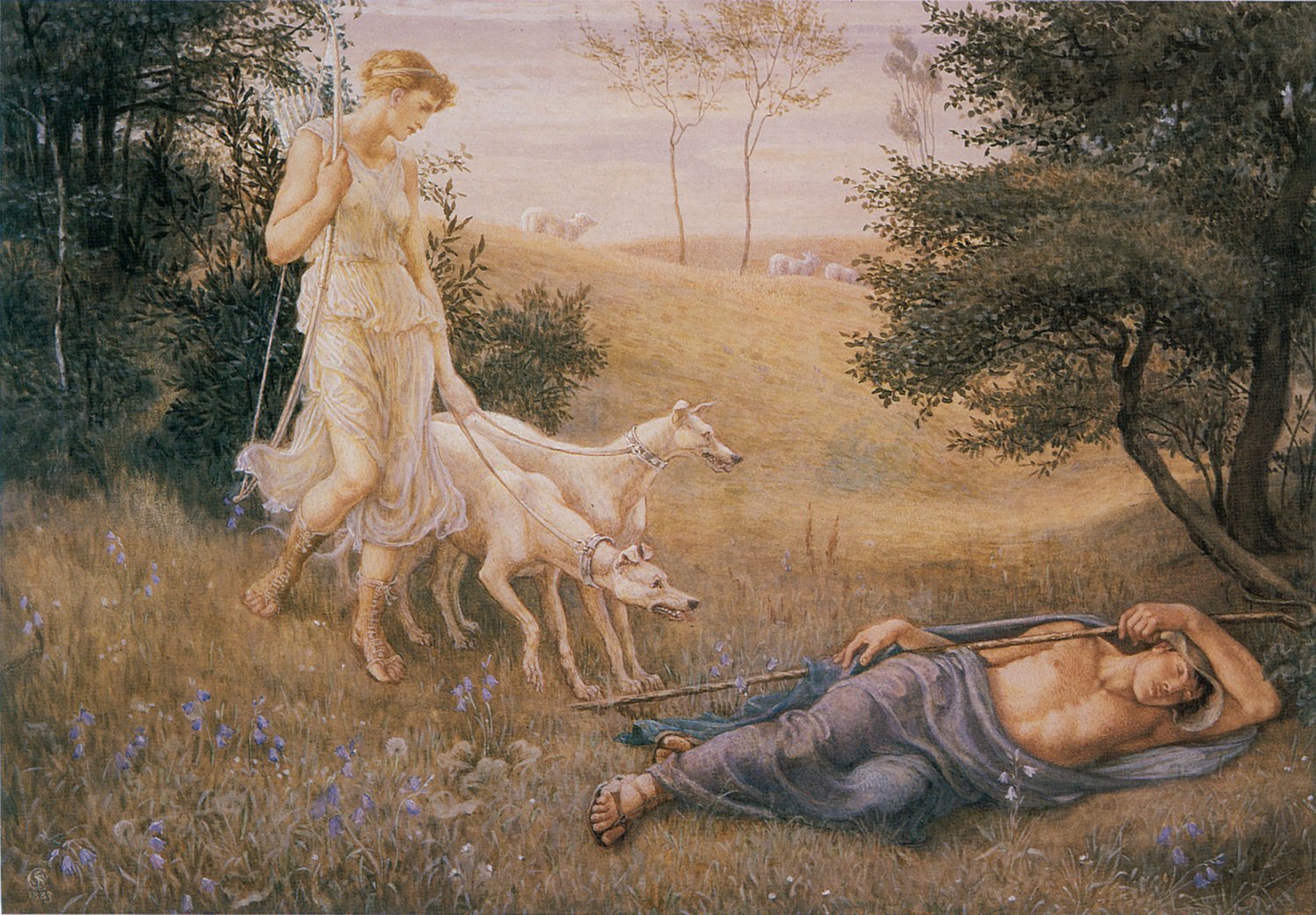
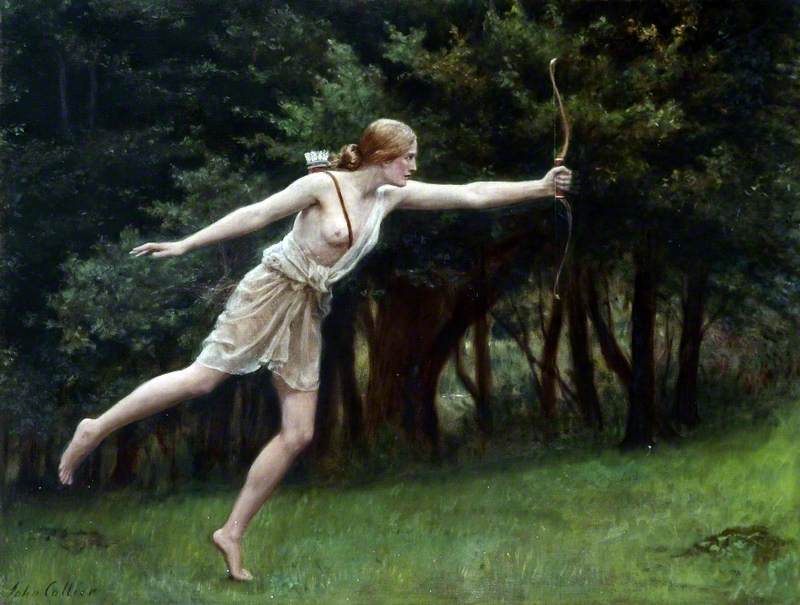
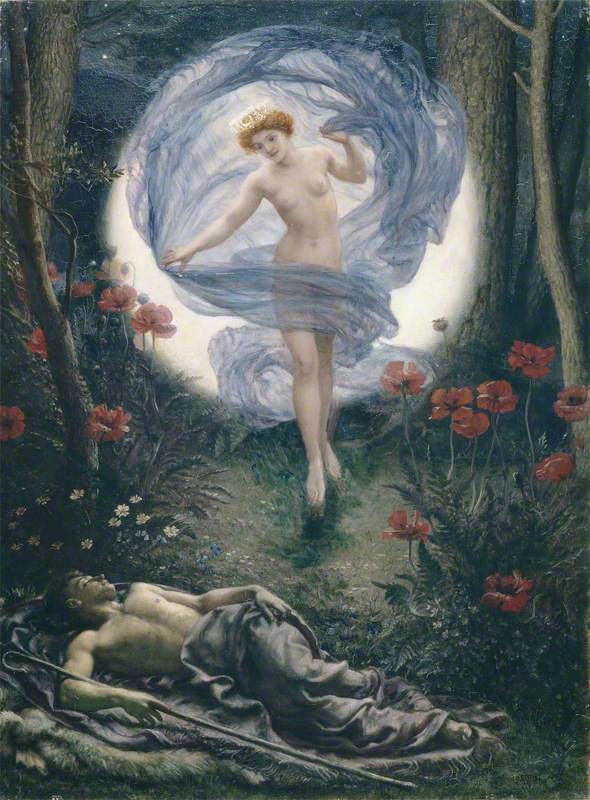
We approach another summer solstice, and so it’s time for another series. Last year, as you may fondly recall, I gave you six puzzles called “It’s Magic,” six recommendations of novels by the Trollope family, and six Victorian fairy paintings. This year (having learned moderation in the meantime), I’ll give you four puzzles called “Prepositional Profusion,” four novels with titles that include the name “Cynthia,” and four paintings featuring the goddess of the moon, alternating with four paintings of women by Sir Francis Grant, President of the Royal Academy, 1866-1878. Why? Because I happen to have made four puzzles called “Prepositional Profusion,” and because my beloved wife’s name is Cynthia, and because I like paintings of women by Sir Francis Grant.
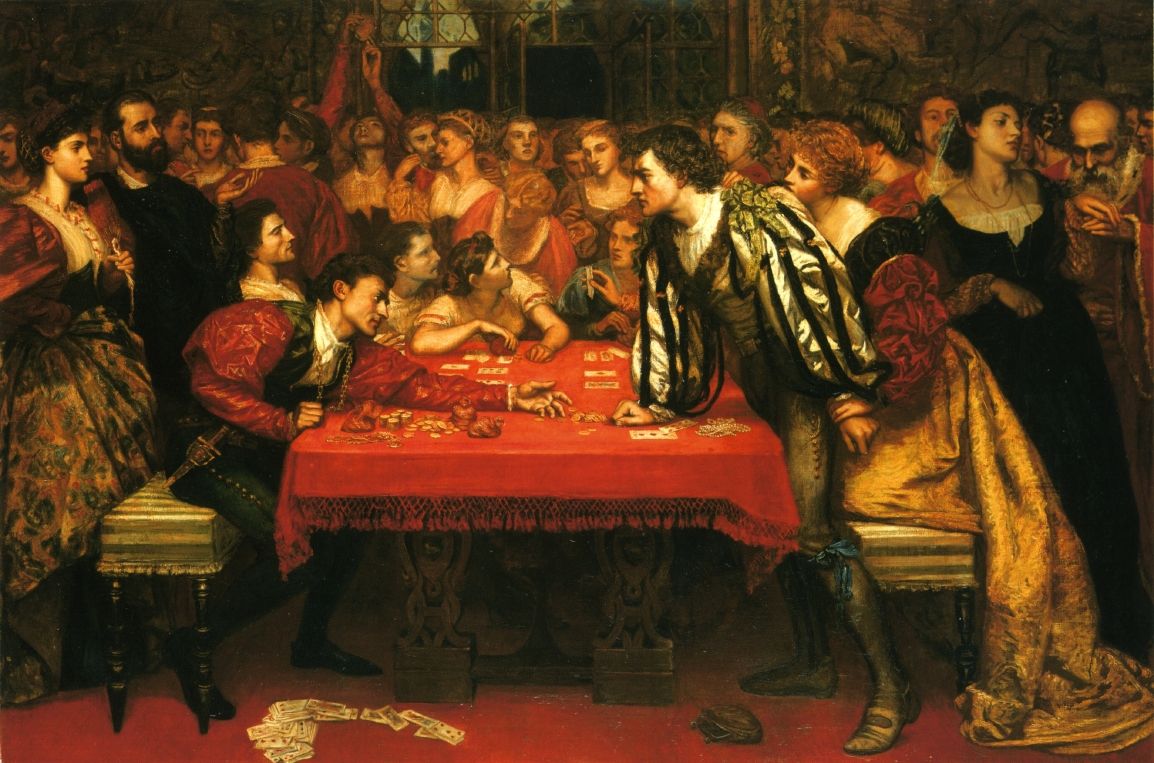
Valentine Cameron Prinsep, A Venetian Gaming-House in the Sixteenth Century
In an early version of this puzzle, ELIA, the pseudonym of essayist Charles Lamb that has been embraced by puzzle-constructors for its oreo-like usefulness, appeared at 41 Across. Eager as always to spare you all the crosswordese I can, I took it out, but with some regret, for Lamb is the source of these wise words : “The puns which are most entertaining are those which will least bear an analysis.” Write them down, gentle solver, and repeat them to yourself next time you’re tempted to think ill of one of my themes.
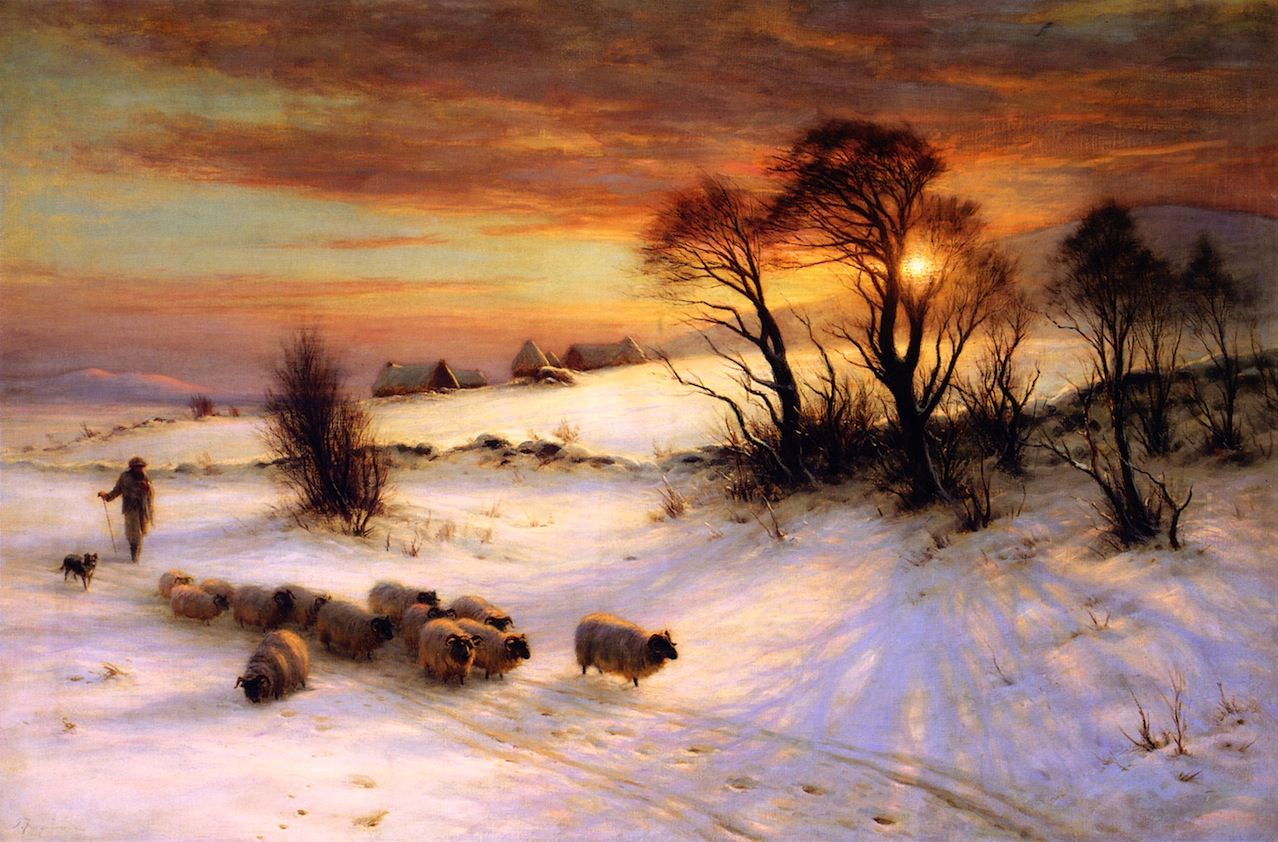
Joseph Farquharson, Herding Sheep in a Winter Landscape at Sunset
“What’s past is prologue”: why has this phrase become proverbial? In Shakespeare's Tempest, where it originated, it’s spoken by the usurper Antonio, who is tempting his friend Sebastian to commit murder: the “past” in his case is the supposed drowning of Sebastian’s nephew (which didn’t happen, so it’s not in fact the past at all), and, in Antonio’s mind, it is “prologue” to the murder of Sebastian’s brother Alonso (which doesn’t happen either). The phrase now seems to mean either that the present is shaped by a past we must acknowledge; or, contradictorily, that we can break free from the past if we try really hard. It is, in short, nonsense built upon nonsense, and therefore perfect as a title for one of my crosswords.
The painting shows the results of proper 17-Across.
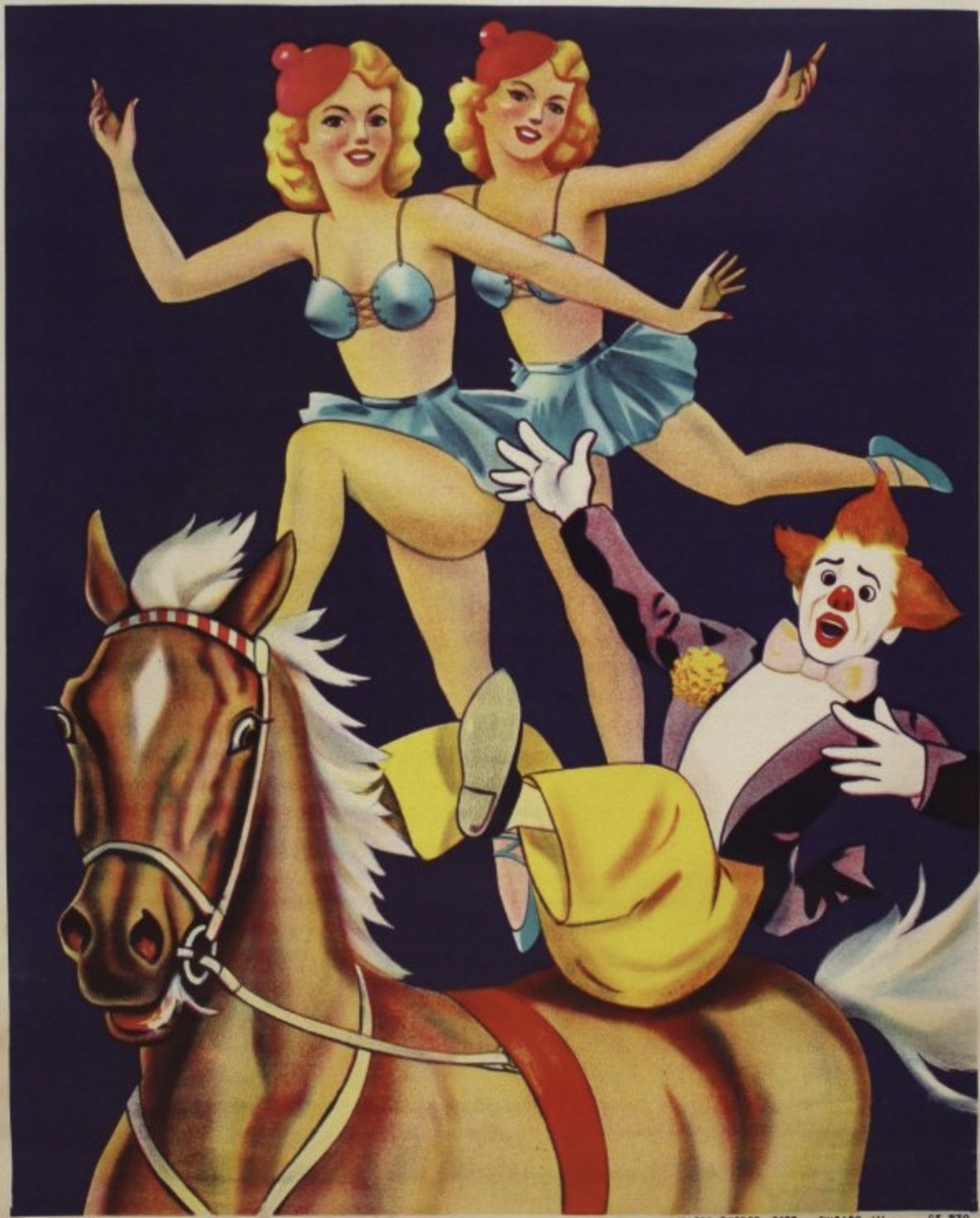
A common motif in theater (the Pierrot of commedia dell’arte and his many literary heirs), in opera (“Vesti la giubba”), in song (“The Tears of a Clown,” “I’m a Loser”), in sad clown paintings—a motif that no doubt reflects a universal and enduring human feeling—receives here a moving crossword treatment.
Are you taking in all the subtle nuances of my puzzles, gentle solver? The title of this one, for example, is a rueful reflection on the state of contemporary politics, while the puzzle itself, in pointed contrast, conjures a better, alternative world, one in which circus entertainers can afford second homes, and cows play baseball. It’s utopian fantasy, to be sure, but not mere escapism, for it’s encased in biting topical satire. (I invite my future biographers to make use of any or all of these phrases.)
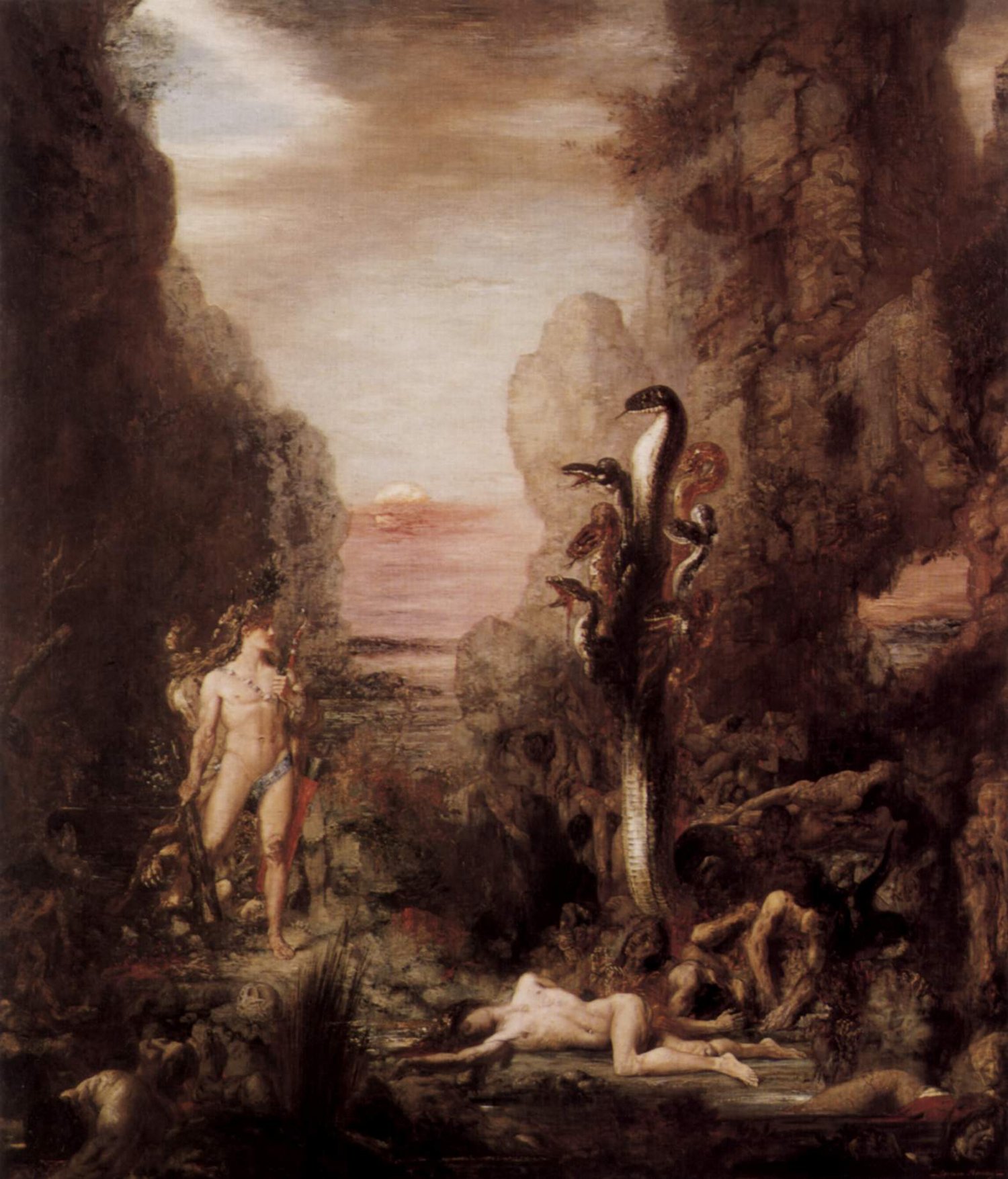
I was planning a large puzzle based on the twelve labors of Hercules. I was going to make the labors turn corners so that they’d seem extra laborious (crossword answers that turn corners are really hot these days). I had fit in "Nemean," "Lernaean," "Ceryneian," "Erymanthian," and "Augean," all very neatly—but "Stymphalian" defeated me. Oh well—here’s this instead.
So what if this week’s puzzle is teeming with horrific contagious diseases? They’re all safely contained within phrases so nonsensical they create a sort of semantic vacuum from which nothing can escape.
Do you ever wake up in the morning and wonder why you are maintaining a website that offers weekly crosswords and weekly Victorian novel recommendations? Am I the only person who does that?
Today's puzzle will be distributed (thanks to "Bob Kerfuffle") at the annual American Crossword Puzzle Tournament, where people try to solve puzzles as fast as they can. I myself don’t like to solve puzzles fast. I like to savor them, to meditate on the nuances of the fill and the cluing, and on the ramifications of the theme. That’s why I design puzzles the nuances and ramifications of which can be easily meditated on. I won’t spoil your fun by explaining just what those might be in this puzzle.
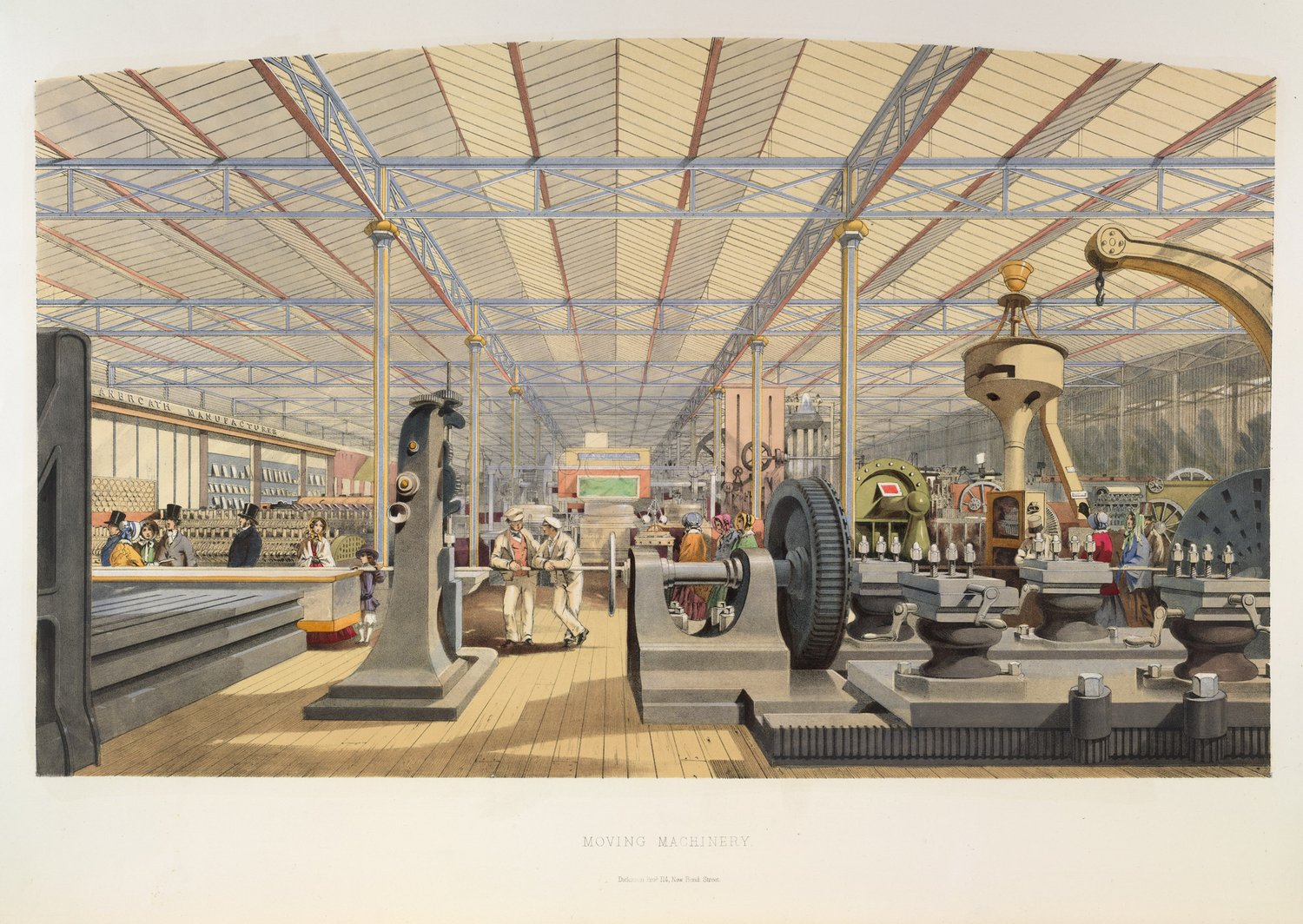
From Dickinson's Comprehensive Pictures of the Great Exhibition of 1851
This puzzle evokes a dystopian future in which machines, built to drudge for us, acquire wills of their own and become our masters. At first glance it may seem like just a good thriller. More serious solvers, however, will find beneath the surface a profound meditation on what it means to be human.
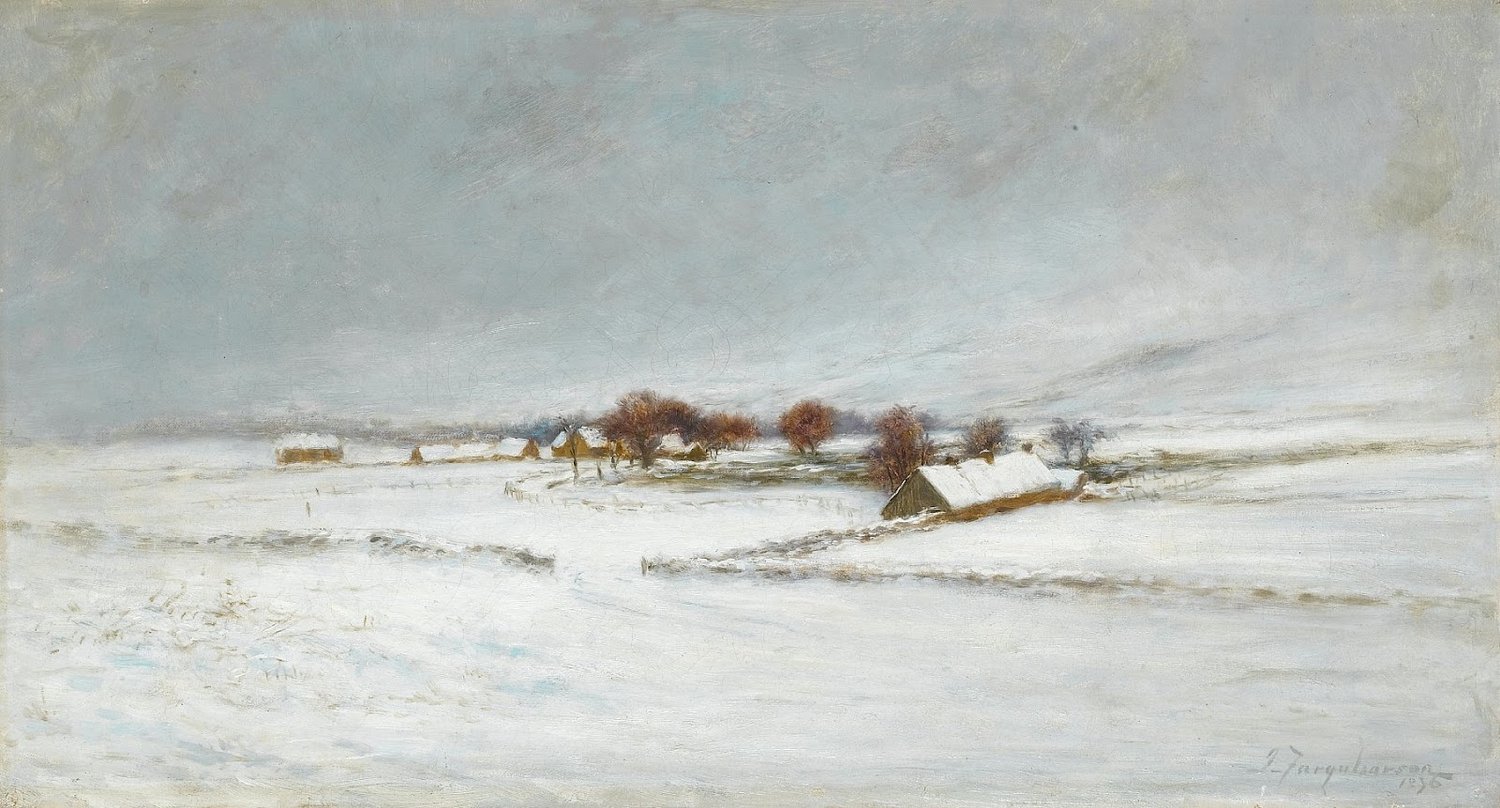
Joseph Farquharson, An Aberdeenshire Farm Under Snow
My choice of painting was inspired by 39 Down. I looked up the term online and found it originally referred not, as I thought, to a raucous but harmless celebration of some sort, but to a noisy, sometime violent mock-parade held to express collective “disapproval of different types of violation of community norms” (Wikipedia). And this reminded me of everything that arouses the misanthropy against which, dear solver, I am perpetually struggling—it reminded me, that is, of mindless tribalism, hideous clamor, deliberate cruelty in the service of some sanctimonious purpose. I found myself longing for silence and emptiness. The inhabitants of these Aberdeenshire farms, however maliciously inclined, have got to remain quietly in their snowbound buildings for the present.
I have crafted this puzzle specifically for those elite solvers who are able to soar above the petty, earthbound considerations of vulgar linguistic usage that limit the intellects of the common herd. If you belong to this group, I congratulate you, and invite you to congratulate yourself. For self-congratulation is a primary—in fact, for many, the only—purpose of cultural experience. Let us wallow in it together.