What did the aging man use to hide his bald spot? A replacement part! Get it? With the clue “comb-over consequence?” I’m going to put that phrase in a funny hairstyles-themed crossword, as soon as I think up three more funny-hairstyle puns of symmetrical length. Meanwhile the phrase will do, in the plural, as a title for today’s puzzle.
Have you duly considered, mortal solver, that everything you now see will someday disappear? That the sun, by the light of which you see everything, will itself disappear? Of course, by the time that happens you will have ceased either to see or to be seen—and have you thought about that lately, solver, really thought about it? Would you like to think about it? Or would you rather do a crossword puzzle?
This puzzle contains some of the filthiest puns ever to appear in any crossword! They affront the finer feelings! They set good taste at defiance! In fact, you probably shouldn’t even open this puzzle!
I feel sad for the double space, the typographical equivalent of the horse-drawn carriage, of the dial telephone, of the compact disc, of the former planet Pluto, once so very important to anyone who cared about transportation, or telephones, or music, or planets, and now in a fair way of being utterly forgotten. So here’s a tribute, for those who remember how, in a world of fixed-width type, the double space used to follow humbly but honestly after the period, the question mark, and the exclamation point.
I had this really great idea for a crossword that would offer a radically new template for social change based on string theory filtered through a Zen understanding of human subjectivity—but then that dog downstairs started barking again.
I was feeling a little low recently, when the thought struck me—maybe I hadn’t been spending enough time and energy on self-congratulation! It’s a main theme of my remarks on this web site, of course, and I don’t stint on it during my daily routine, assuring myself, as I read the news especially, that my impulses are purer, my thoughts nobler, my opinions more righteous, than most anybody else’s. But lately that just hasn’t been enough. So I began this week’s puzzle with a self-congratulatory title, and then, with every theme answer I devised (having imposed stricter limits on myself than other constructors, and having arrived nonetheless at cleverer answers), with every word I added to the fill (having given due attention to deserving people and resolutely ignored their undeserving counterparts), with every clue I wrote (having alluded to many things that the average solver will feel uncool for not knowing), I shouted, “Ta da!” I invite you to join me in this exercise, and shout “Ta da!” (in your heart, if you aren’t alone) with every word you solve. We’ll all feel better about ourselves, and that’s what crosswords are for.
The inspiration for this puzzle, at 17 Across, was an actual true-life experience that really happened to me! It’s another example of this uncanny ability I have to elevate the sordid miseries of the human condition into the realm of transcendent art.
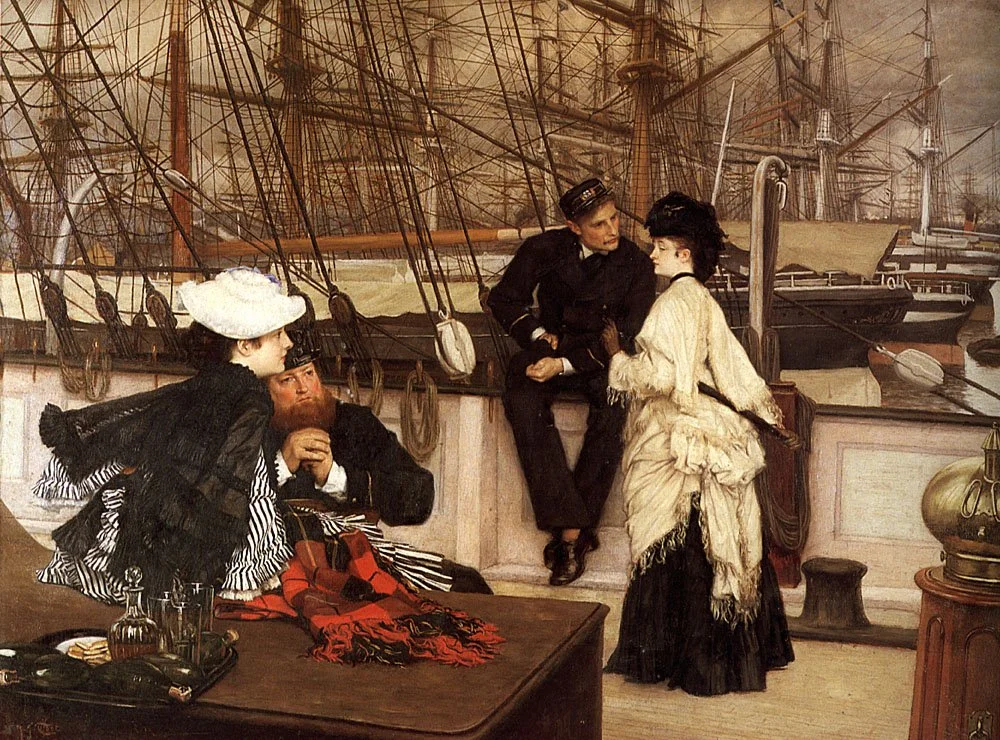
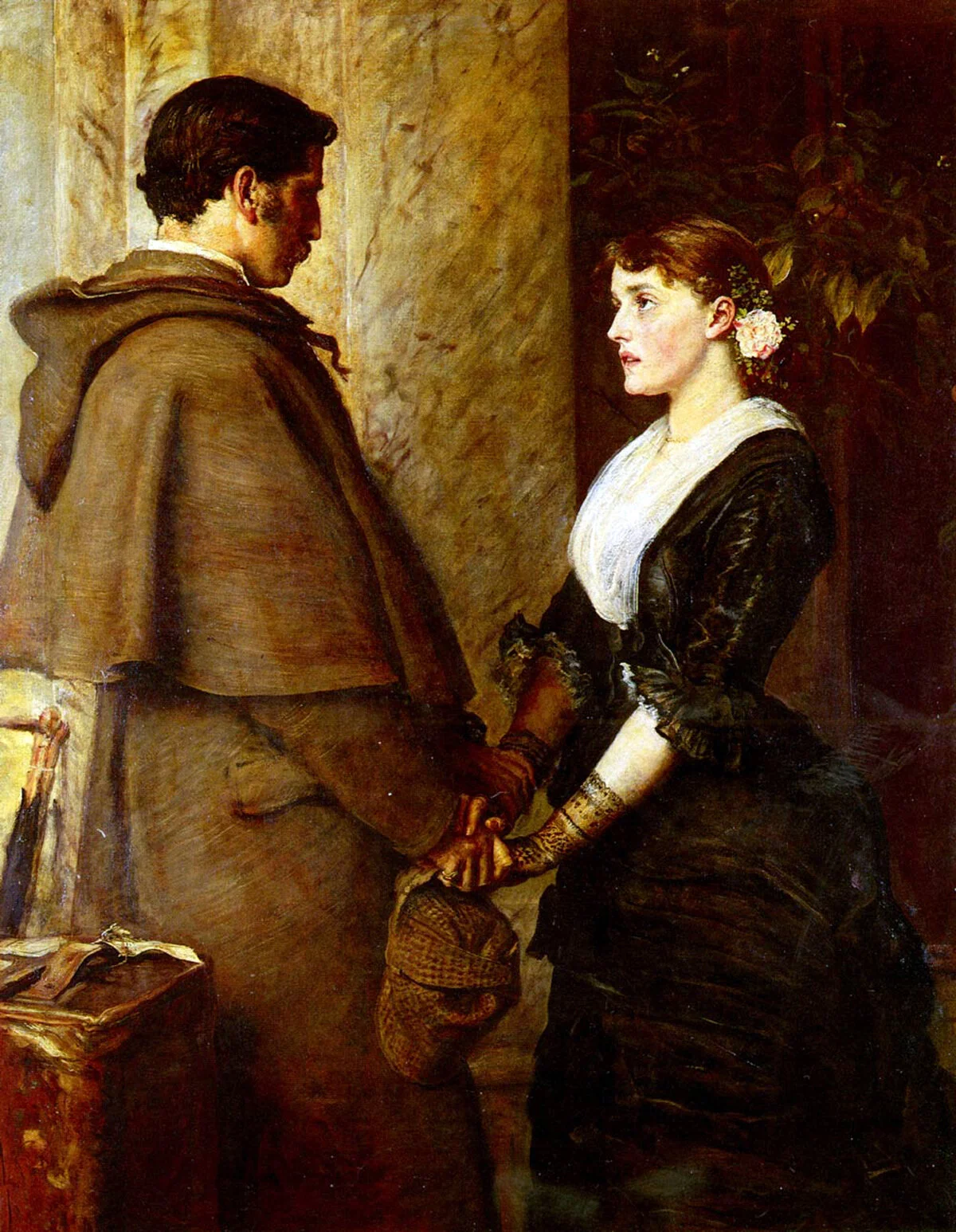
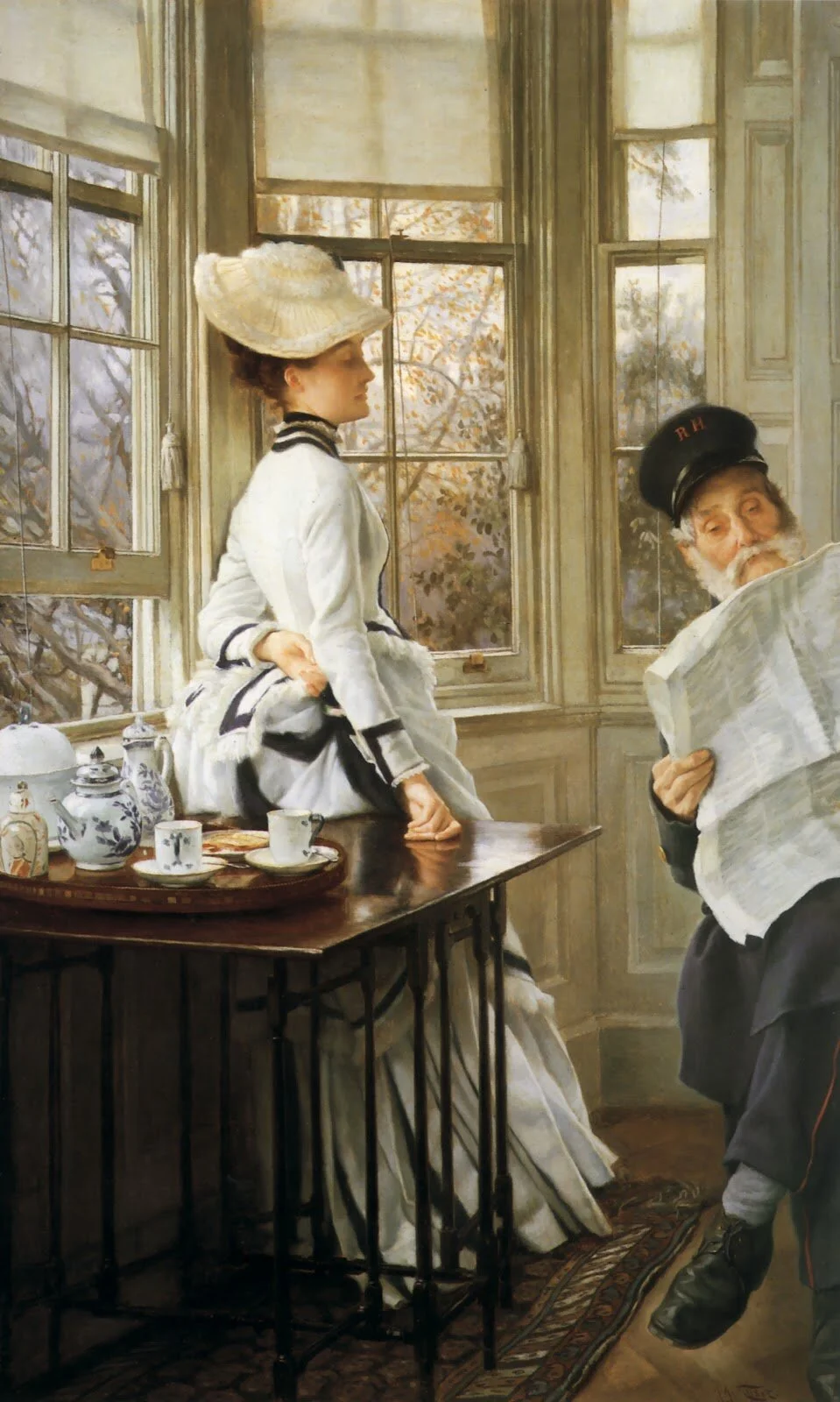
James Jacques Joseph Tissot, The Captain and the Mate
This puzzle speaks for itself; so I’ll devote this space not to praising my own work, but attacking that of other constructors—specifically those constructors who don’t exercise reasonable restraint in fill related to “Star Wars.” LEIA is fine, I suppose, and HAN, though I prefer the Chinese dynasty. ARTOO is useful, but a casual watcher of only the first two movies (me, for example) will remember the name as R2D2. “There is no try,” commonly used in YODA clues, is maybe the stupidest, most annoyingly meaningless adage ever fobbed off as wisdom by anyone anywhere. But what really infuriates me is WOOKIEE. Everybody in “Star Wars” speaks English, though that is presumably not the language of the galaxy far, far away in which the series is set. That language is, one must suppose, being translated, and—since its speakers presumably did not coincidentally invent the Roman alphabet—transliterated as well, into English. But what possible rule of transliteration would explain the soundless extra E at the end of WOOKIEE? It doesn’t make any sense. Why torment the solver with it? Let’s everybody stop.
This was going to begin a series of puzzles featuring the major Egyptian deities, but nobody understood the other one I made, “Isis,” an experimental crossword in which “is” just is—that is, in which phrases containing the word “is” continue to contain the word “is” and so are not altered in any way. It was to be the crossword equivalent of Marcel Duchamp’s urinal, or John Cage’s 4'33''. Oh well, it will remain among my unpublished works, to be appreciated when posterity has at last begun to make up for the incomprehension of my contemporaries.
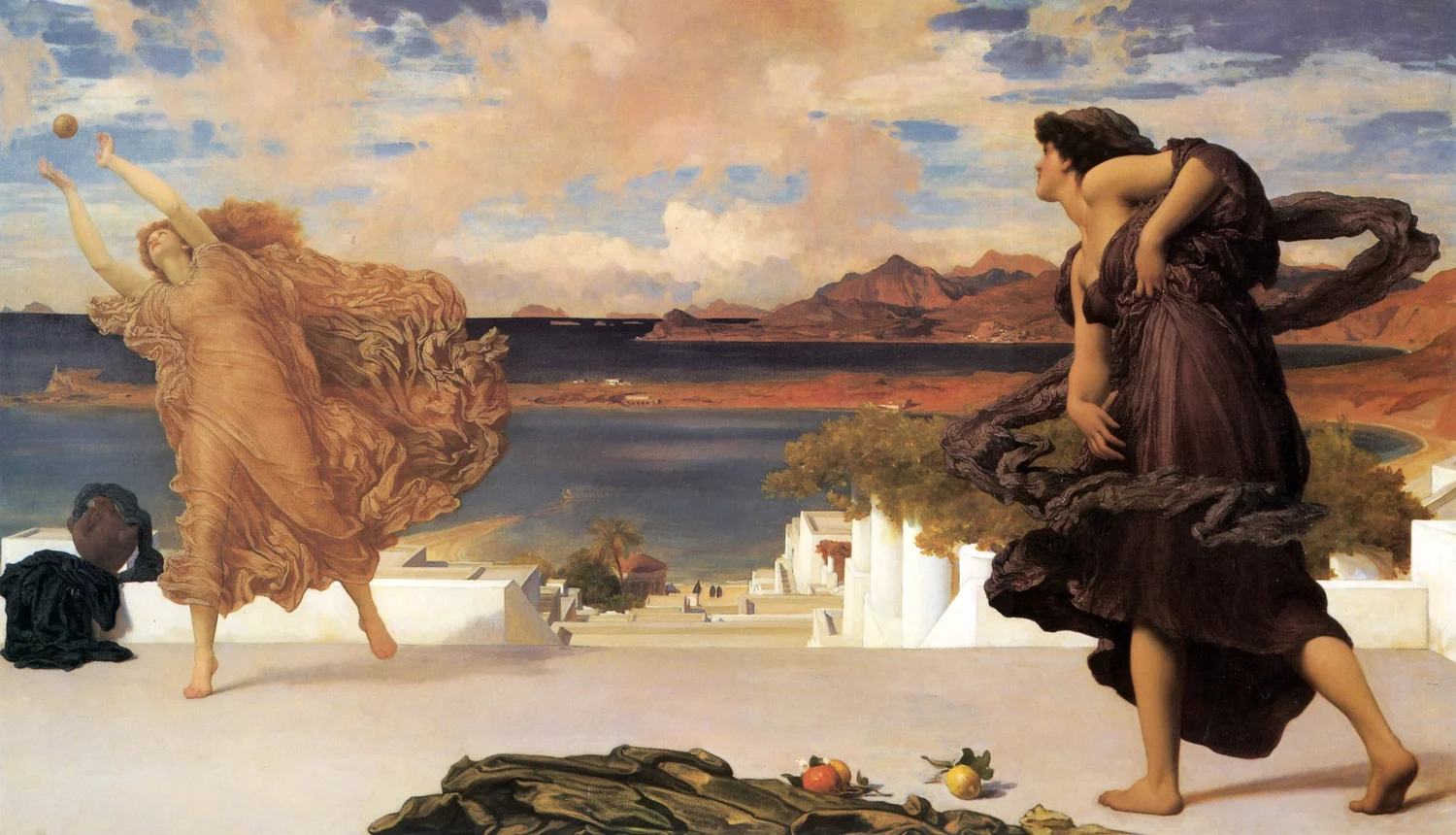
Lord Frederic Leighton, Greek Girls Playing at Ball
So I filled 1 Down shamelessly with slang I made up myself for the purpose of completing this crossword’s theme. What of it? Why shouldn’t I make up my own slang, so long as it’s inferable? In fact, as a solver I would rather have inferable made-up slang than the real but abstruse “modern slang” that seems ever more common in crosswords—slang current exclusively in some subculture that savvy solvers congratulate themselves for appreciating while the rest of us scratch our poor heads.
Nothing seems to me more likely to kill the fun of crosswords than this new idea, which I’ve seen in more than one place where crosswords are discussed, that the pleasure of crossword-solving comes mainly from the recognition of allusions in the grid to the interests of one’s particular in-group. In fact, the specialized you-know-it-or-you-don’t trivia one encounters in crosswords—whether botanical species or brand names, Russian rivers or social media fads, learned arcana or celebrity gossip—is not a merit but a blemish imposed by the constraints of the form and the limits of the language. Let’s all start being properly ashamed of it again.
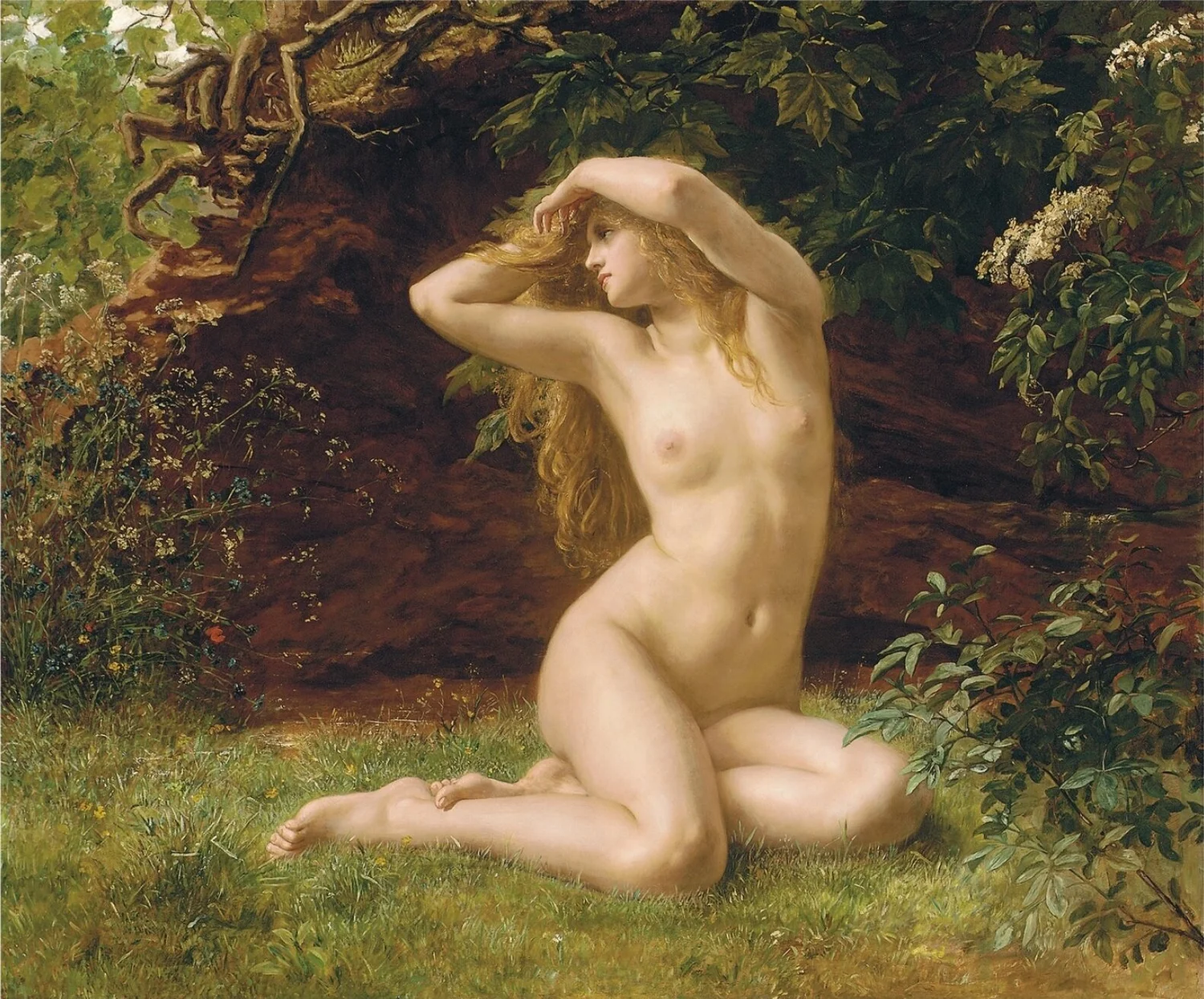
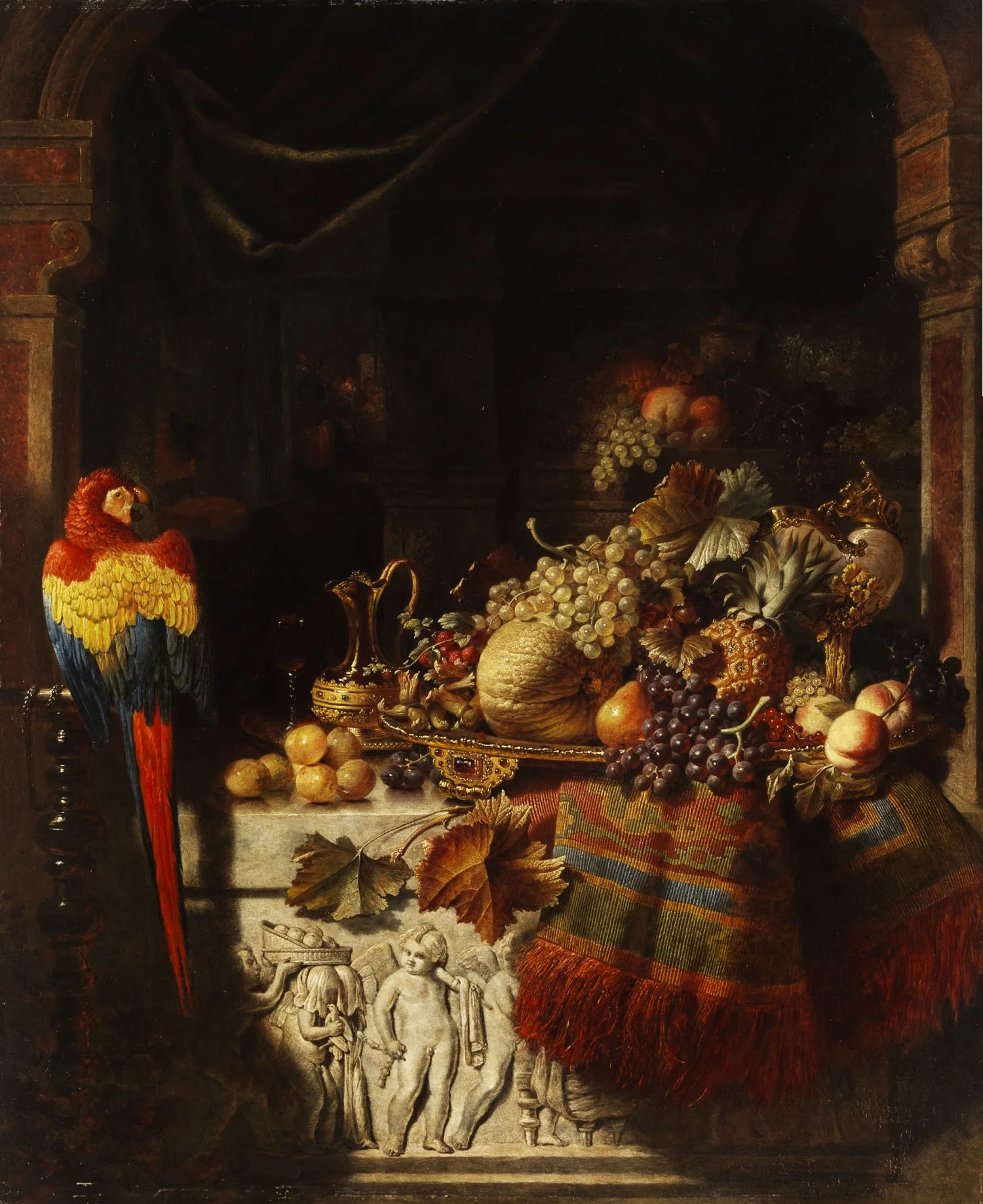
Valentine Cameron Prinsep, The First Awakening of Eve
Well, here it is, the first day of the first month of a new year, and so, to keep you in the New-Year’s spirit, I have a puzzle for you with the word “first” in its title, and also a bit of advice, not just for this puzzle, but for any of life’s challenges: if at first you don’t succeed, try another crossword.
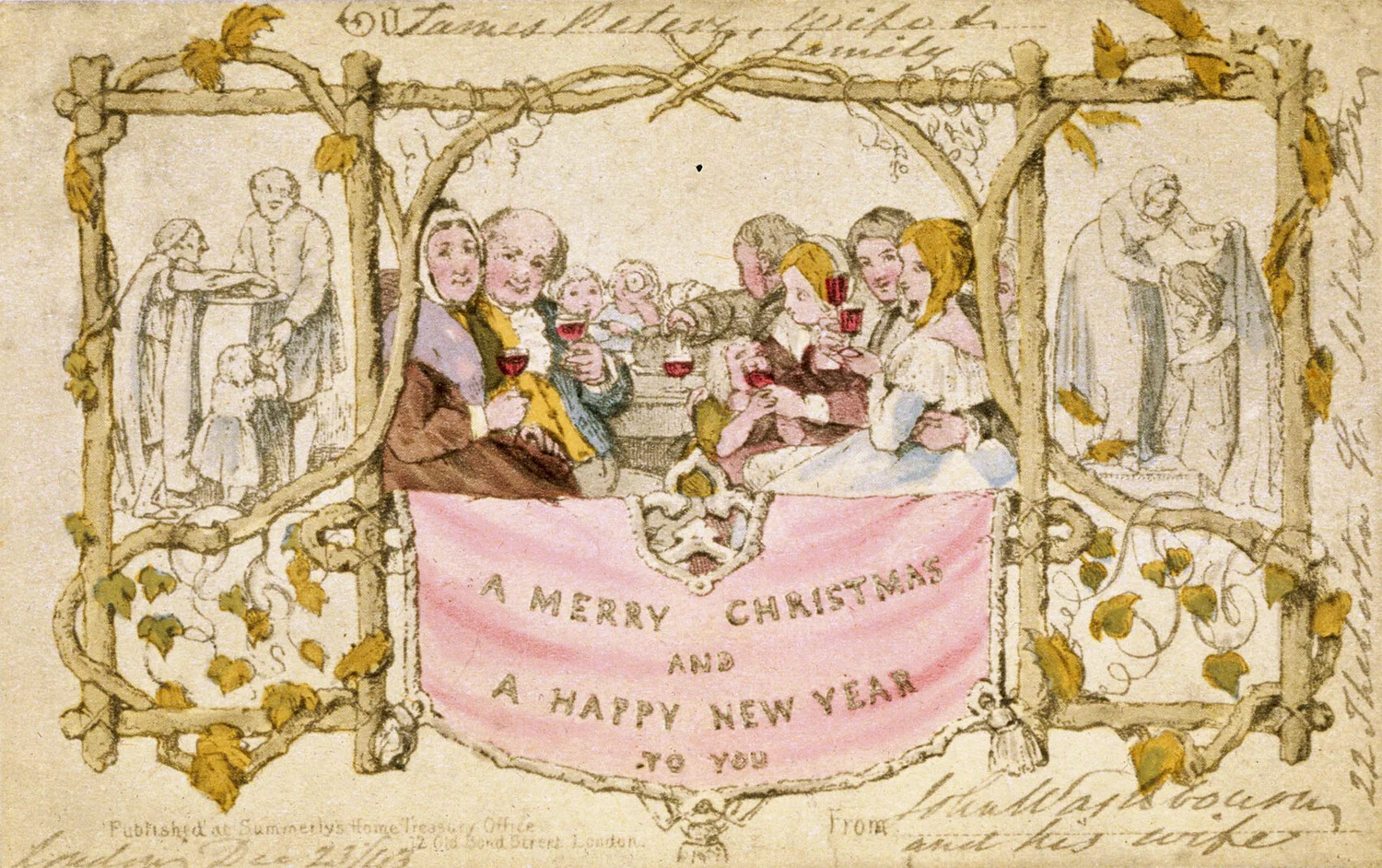
It’s Christmas! So here’s a little gift, just for you—a new crossword puzzle! I made it myself! As to the title—if you’re not fond of Christmas carols, don’t worry—remember how I let you offlast year?
Why is the English word signifying assent so ugly? “Si” sounds helpful, “oui” cute, “ja” endearingly goofy, but “yes,” with its growling short “e” and sibilant conclusion, seems just hostile. When people say it while making that ugly pulled-down-fist motion—often with the implication, “Yes, my enemies lie slaughtered before me!”—they’re only realizing the sound’s potential.
Some weeks ago (seeCrossword 193) I was boasting of the wholesome food consumed by the skilled artisans here at David Alfred Bywaters’s Crossword Cavalcade and Weekly Victorian Novel Recommender. This week, I’m afraid some of it got tangled up in the crossword-making machinery. We salvaged what we could.
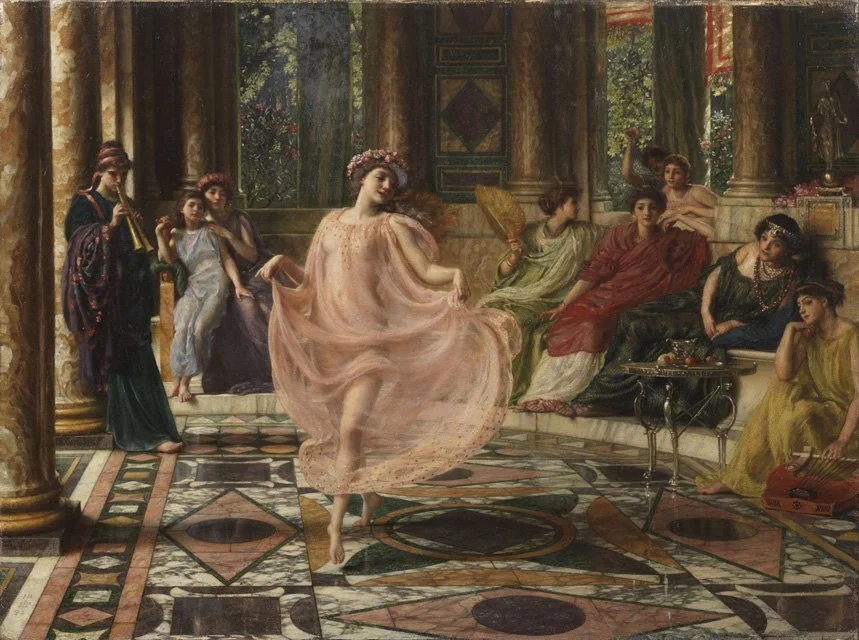
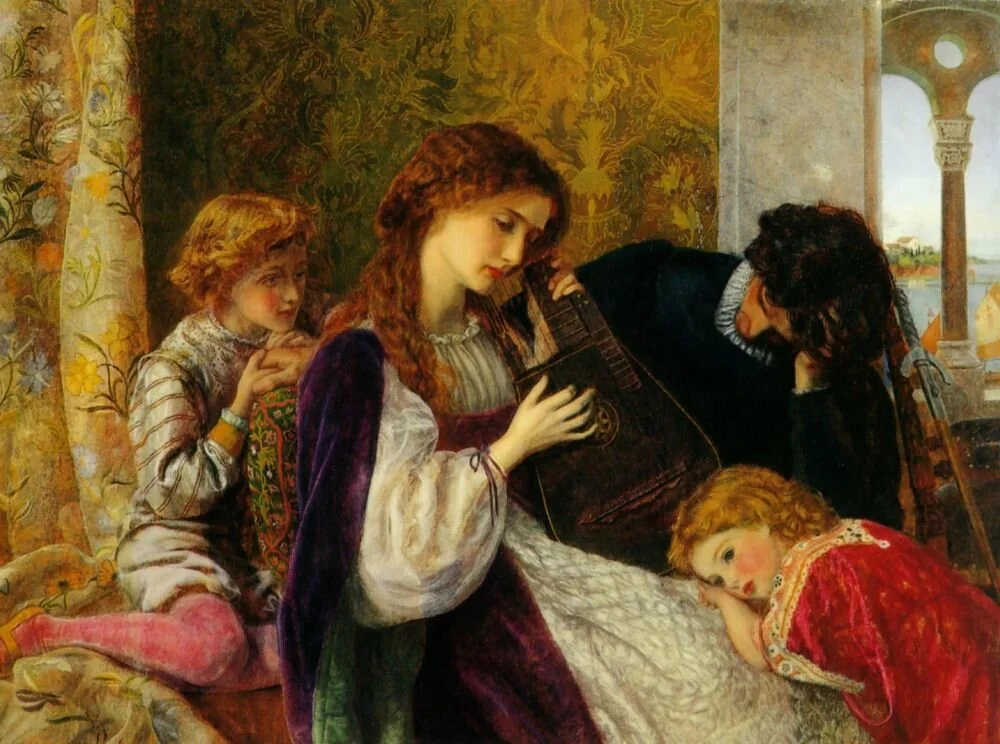
Edward John Poynter, The Ionian Dance: "Motus Doceri Gaudet Ionicos, Matura Virgo, Et Fingitur Artibus"
I was going to call this puzzle “The Unities,” but who cares nowadays about the rigid neoclassical critical standards applied to the drama of the 17th and 18th centuries? Nobody, sadly, but me—and perhaps you, learned solver. If so, I apologize for pandering instead to the degraded popular tastes of the age.
I conclude this web site’s fourth year with a fourth “Cavalcade of Crosswordese” (see Crosswords052,104,156). And this time, in order to ensure that I’m using only the freshest stale entries available, I’ve drawn them all from recent New York Times themeless puzzles, on the assumption that the most prestigious crossword venue in its most unconstrained format would surely allow only the very best crosswordese that can be had! It’s just another of my tireless labors on your behalf.
Grateful? All you have to do is click on that “Donate” button below and give me some money! (You may also donate through PayPal or Venmo using my email address.) $12 will get you a bonus 15 x 15 “Victorian” puzzle filled only with words in use before 1901; $13.50, a bonus 21 x 21 puzzle; $15, both of these; and $10,000,000, your name on the website.
Ungrateful? Oh well. I won’t bother you again until next year.
I stopped going to musical performances years ago, because the loud ones hurt my ears, and the soft ones were invariably spoiled by somebody in the row behind me elaborately unwrapping a piece of hard candy. And I’ve always wondered—did the people behind me at the loud performances also come equipped with plastic-wrapped pieces of hard candy, the unwrapping of which I was unable to hear over the music? Or do people only bring wrapped pieces of hard candy to soft musical performances—just as they generally wait for the quietest moments of those performances to do their best unwrapping? It’s a mystery.
But what isn’t a mystery is that this website is now concluding its fourth year, and I will mark the moment, as I did the conclusions of its first three years, with two 21 x 21 puzzles, and an opportunity for grateful solvers to make a donation. Are you a grateful solver? As in previous years, you may donate using the button below, or through PayPal or Venmo using my email address. There are four donation levels. Donate $12 and receive a 15 x 15 crossword which employs only words current during the Victorian era (and, of course, still current today). Donate $13.50 and receive a large, 21 x 21 crossword. Donate $15 and receive both. Be the first to donate $10,000,000 and the website will be renamed in your honor, so that if your name is, say, Mackenzie Scott, the name of the website will be “Mackenzie Scott Presents David Alfred Bywaters’s Crossword Cavalcade and Weekly Victorian Novel Recommender.”
And speaking of Mackenzie Scott, this year I’m offering a discount to billionaire divorcees. Divorce can be hard, even for billionaires, and we at David Alfred Bywaters’s Crossword Cavalcade and Weekly Victorian Novel Recommender understand that. So if you’re a divorcing billionaire (Jeff? Bill? Melinda?) I’ll rename the site in your honor for a mere $9,000,000. That’s a million-dollar discount! And just think how envious your ex will feel at the sight of your name on the most fabulous crossword site on (or off) the internet! Get there first!
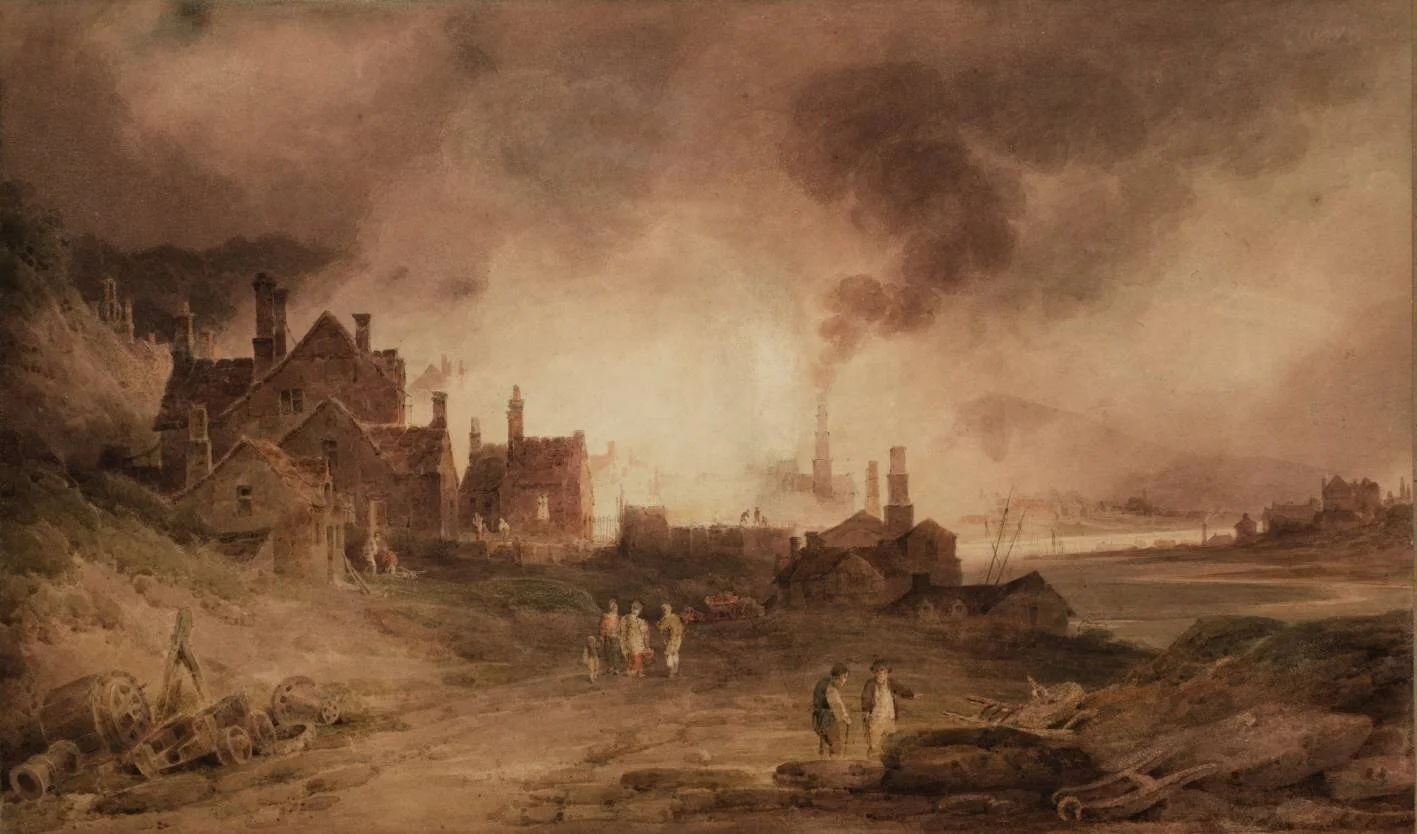
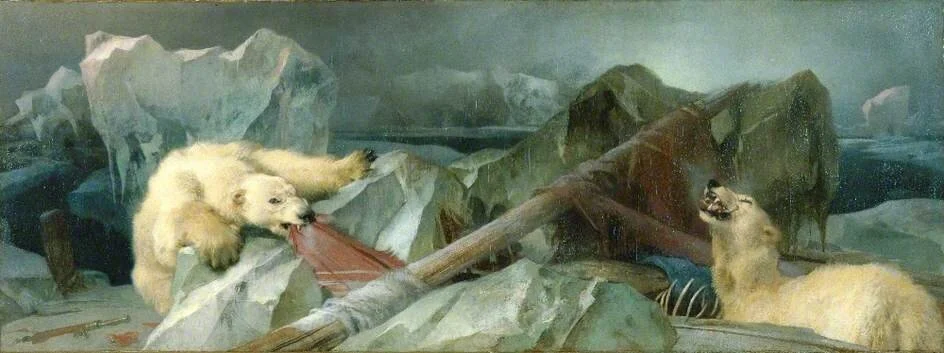
Sir Edwin Henry Landseer, Man Proposes, God Disposes
This puzzle, as its title implies, has men in it, and frankly I have some qualms about posting it. I’m troubled not so much by the lack of gender-inclusiveness (for which I atone right away, in the answer to 1 Down) as I am by the presence of people of any kind. For, regardless of gender, race, sexual orientation, etc., people, in my experience, are annoying. There are some exceptions—myself, for example, and my near relations, and my current friends—but most people, if they’re not doing something absolutely wrong, are at best getting in the way. So please, as you solve this puzzle, do not take it as in any way an endorsement of humanity in general.
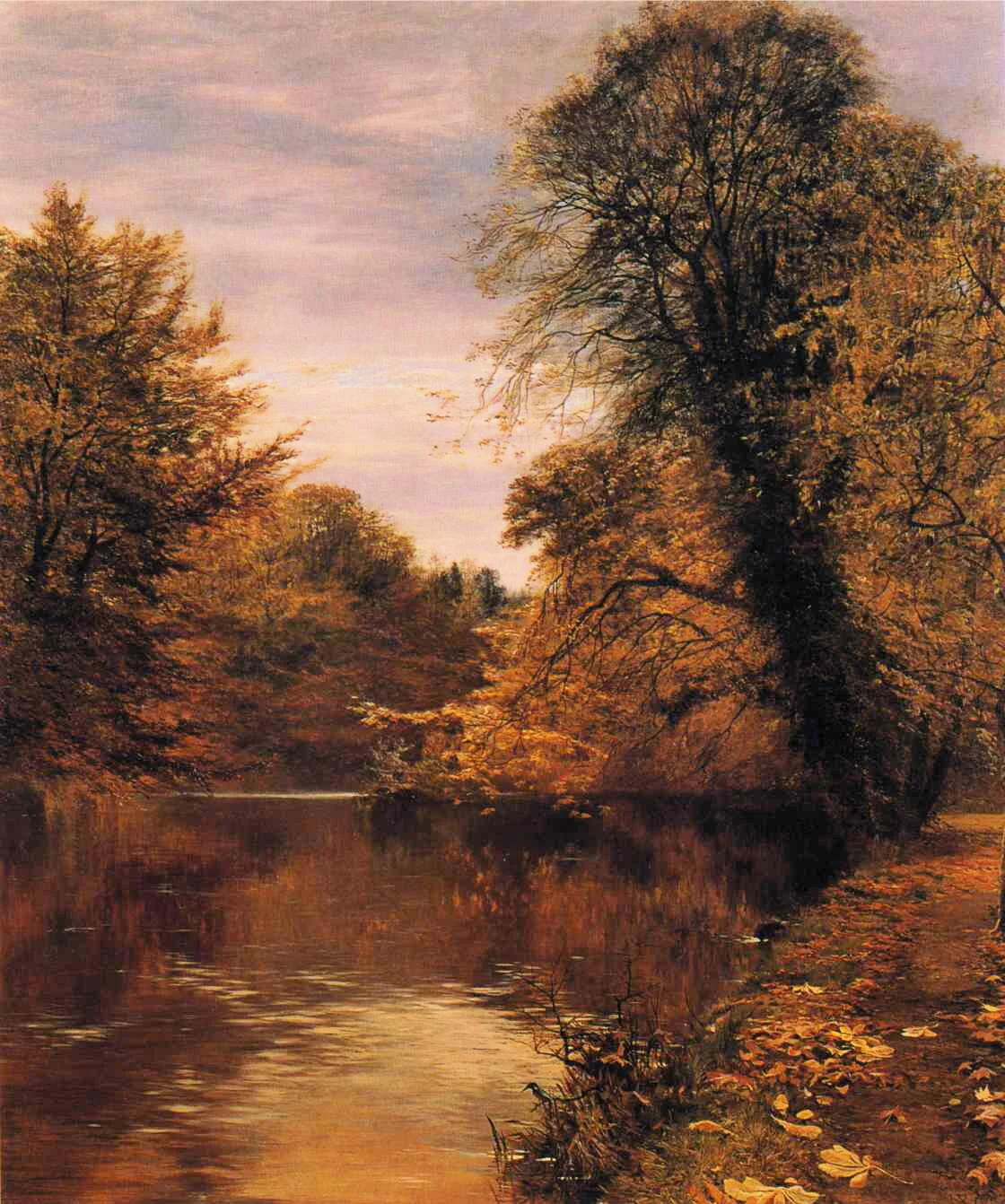
George Vicat Cole, Leaves are but the Wings on which the Summer Flies
It’s time to test your etymological knowledge! To which question might this puzzle’s title phrase, in its original meaning, have been an appropriate response? A. “How do I make this blob of tofu look like a turkey?”
B. “A bird is attacking me—should I shoot to kill?”
C. “What’s a good slogan for a specialized chicken restaurant with no thighs, or breasts, or legs?”
D. “I forgot to learn the play I’m acting in this afternoon—what should I do?” The answer may be found in the first letter of 2 Down in the attached puzzle.