My late foray into gritty realism seems not to have paid off: ad revenue is flat (at $0.00), circulation has not increased—and in fact I’ve decided to abandon the whole idea and return to my old sunshiny ways. So in today’s puzzle I turn again to my longstanding goal of bringing peace to a troubled world.
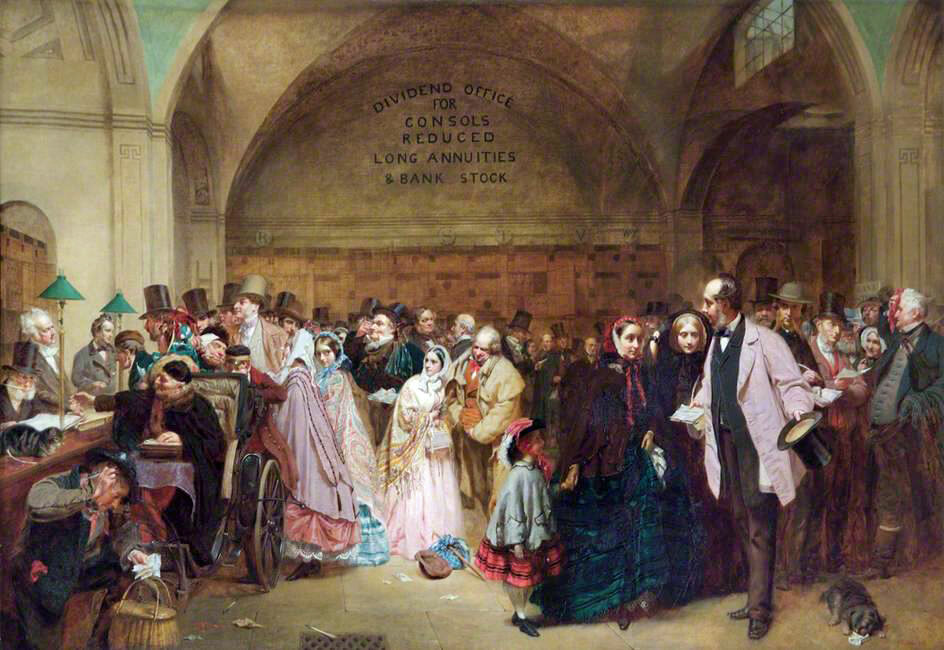
George Elgar Hicks, Dividend Day at the Bank of England
A needy aristocrat enters into various fraudulent schemes.
In addition to writing novels, Frederick Wicks (1840-1910) owned the Glasgow Daily News and invented a printing machine. Here he involves a number of Dickensian caricatures in an unconventional plot concerned mainly with financial chicanery. The illustrations, by Romanian artist Jean de Paleologue, are excellent.
“The plot of it is ingenious and engaging; the characters and the incidents are well under control; the writing . . . is almost brilliant. Many of the chapters are humorous . . . the pages sparkle with epigrams.” National Review, November, 1892
“There is a completeness and rotundity in the delineation of the characters which gives them the air of being types of humanity . . . though . . . their dramatic individuality is not sacrificed. . . . It would be difficult to praise the style too highly.” Athenaeum, December 17, 1892
A passionate woman with a dubious past marries a rough, honest squire.
Here’s another by the great Braddon (see Novels004,061). Like most of her novels it is engrossingly plotted and cleverly phrased—and was dismissively reviewed.
“As good a specimen of the marketable ladies’ novel as could be found. Further than that it does not go. There is no genius, or poetry, or high feeling, or delicate painting, or subtle observation in it. But for a professional work, as a piece of composition, to be sold by a woman for a certain sum of money, it is masterly; and we invite all that great army of female stragglers in the battle of life who wish to carry the literary flag triumphantly, to read the book carefully, and observe how much a woman must bring with her to the ball if she wants to write like Miss Braddon. In the first place, the English . . . is wonderfully good. . . . The make of the sentences and the choice of words, the easiness with which the sense is conveyed which the author wishes to convey, and the absence of all that is awkward and ponderous, are sufficient to satisfy the exigencies of the most rigid criticism. Then the plot . . . of the book is most exciting. We are kept at the topmost pitch for as long as possible. . . . Then Miss Braddon . . . knows all about men and their ways. . . . The book . . . impresses us, before we have finished it, not only with a sense of the great powers of the authoress . . . but also with a conviction that she has a vein of feeling higher than the world of . . . tobacco, and brandy-and-water and that this feeling is perfectly genuine and unaffected.” Saturday Review, January 31, 1863
“There are touches of humour and pathos which we look for in vain in Miss Braddon’s former work, and often an elevation of thought which would have accorded better with a loftier subject”; “If we have failed to convey a very favourable impression of her last effort, it is not because we deny Miss Braddon’s talent as a writer, but because we regret to see it employed on so unlovely a theme,” one which may have “an insidious effect” on the minds of readers. London Review, February 14, 1863
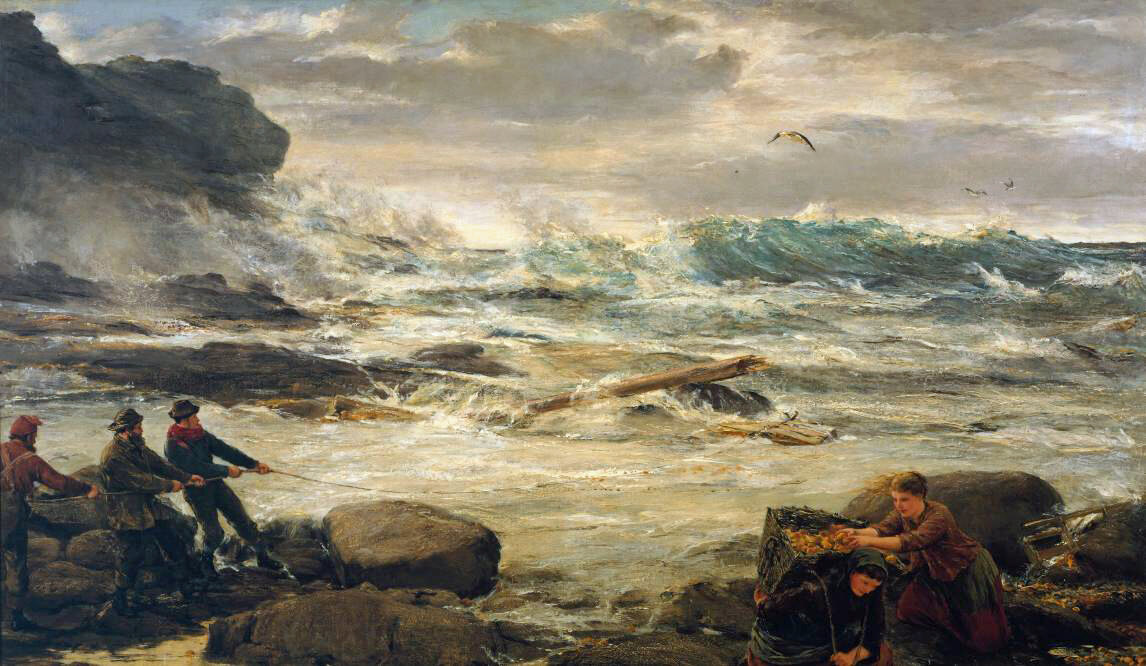
Two weeks ago I pushed this web site in a daring new direction, challenging aesthetic norms in order to engage with the gritty underside of the human condition. The critical plaudits I expected, however, have not arrived, at least not yet; so it’s time to double down, to go all in, to—what’s another tough-sounding idiom like that? I don’t know. Anyway, if you’re a complacent member of the bourgeoisie, prepare to be shocked!
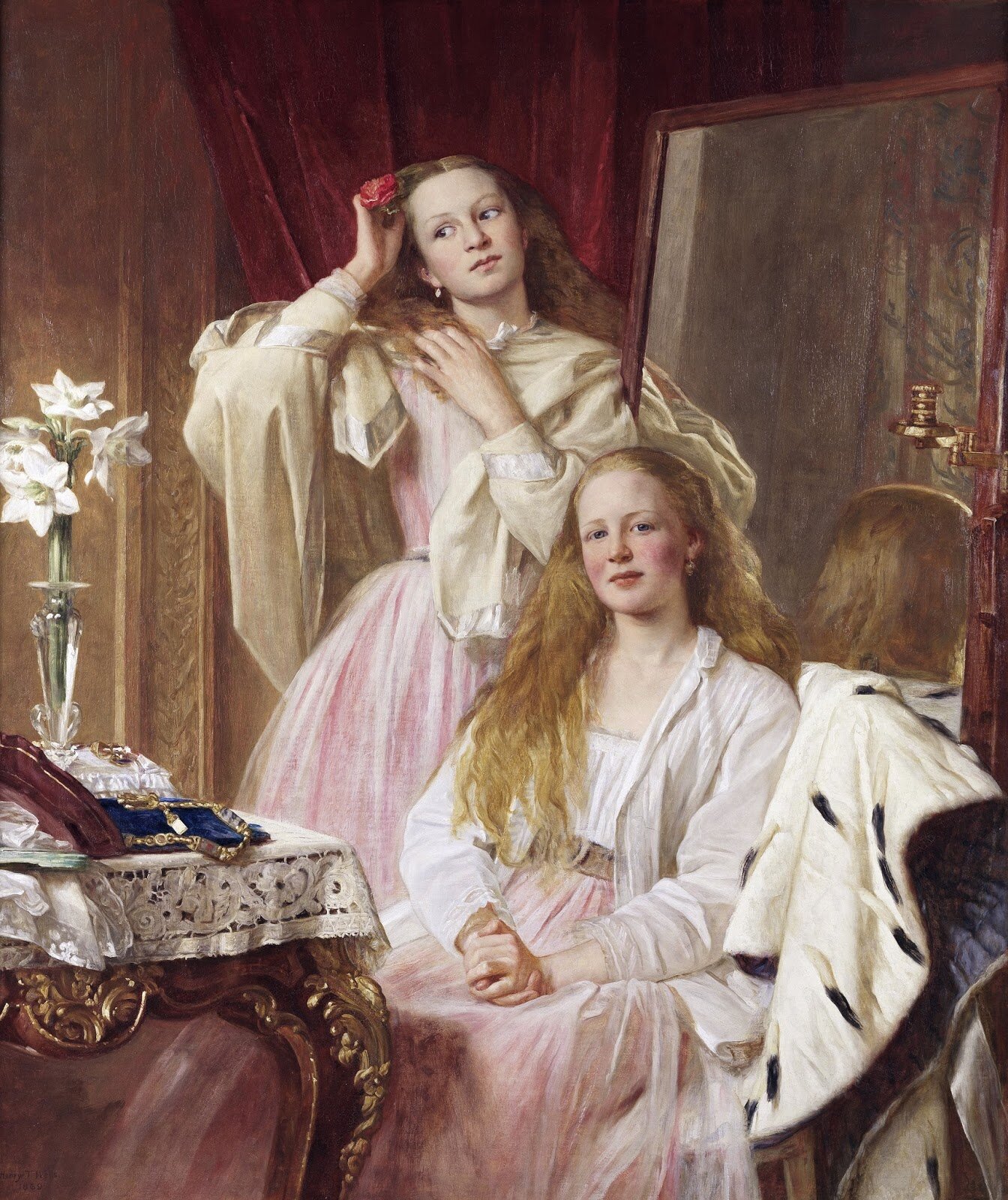
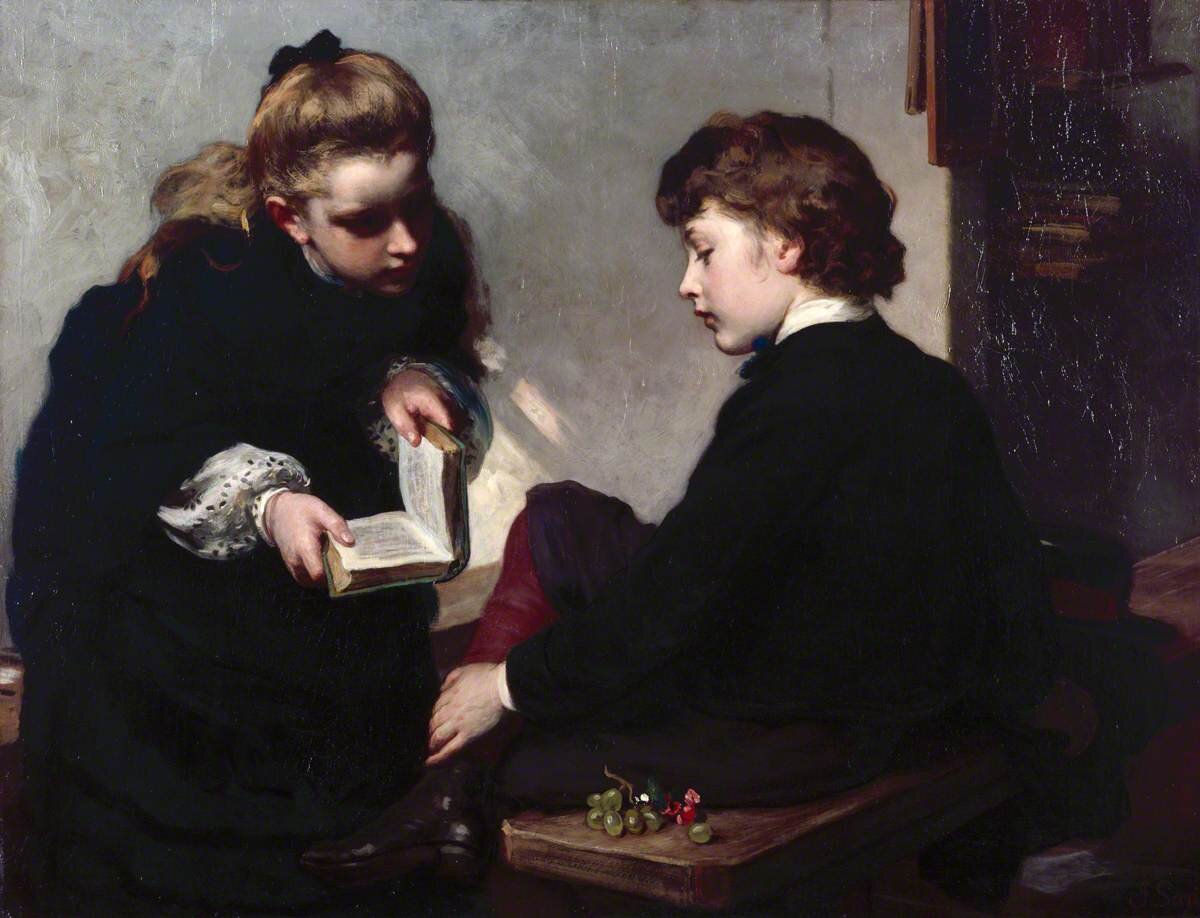
Henry Tanworth Wells, Emma and Federica Bankes of Soughton Hall
A young lady resists her grandfather’s plan for her to marry her cousin.
Rosa Nouchette Carey (1840-1909) wrote over 40 novels featuring virtuous women in domestic settings. This one is certainly vulnerable to such dismissals as the Athenaeum's: "nice and pretty young women . . . go through some pretty and romantic adventures with some exceptionally handsome and enterprising young men.” But despite its slow pace and its characteristic avoidance of the strange or surprising, it holds the attention: the style is free of sentimentality, and several characters are well and plausibly delineated.
“A quaint, simple tale of an English community. . . . Throughout the story is natural and entertaining, the style sympathetic, and the study of character clear and good.” Critic, November 5, 1892
It is “pre-eminently soothing"; a “quiet story of the life of rural gentlepeople . . . and the substance of the novel is well matched by the cultivated refinement of Miss Carey’s literary style”; it has “interest given by delicately truthful characterization rather than by exciting sequence of events. . . . One of the pleasantest of recent contributions to domestic fiction; it is not lacking in humour, and there are passages of true and unstrained pathos.” Academy, December 4, 1892
Hey all you fledgling crossword constructors—are you stuck for a title? Well, no need to hunt up an online mentor to help you create one—just use mine! It fits my new crossword pretty well, but it has the virtue of also fitting any crossword whatsoever! I may use it again myself!
A guardsman with gambling debts courts a woman he mistakenly supposes an heiress.
Here is another fine novel by the great “Mrs. Alexander” (see Novels001,063), with her customary well-paced plot, smooth style, and vivid characters.
“One of the lightest and prettiest stories a reader need wish to find on a summer’s day, or a winter’s day either. . . . The story is cleverly told.” Athenaeum, March 18, 1865
“A sprightly, stirring tale, though one that is decidedly ‘stagey,’ without, however, being vulgar, and for a novel of mere amusement, for railway reading, or any temporary distraction we have not met with a better.” Spectator, August 19, 1865
In various of my crosswords (for example, Nos.039,043,058) I have tried to brighten my little corner of the Internet by taking up unpleasant phrases and infusing them with harmless mirth. And where has it got me? I’ve heard nothing from the Nobel Committee. The MacArthur Foundation has been silent. Clearly my website needs an edge. So here goes!
A virtuous young lady is courted by both an honest young coast-guard captain and a middle-aged landowner with a past.
Catherine Anne Hubback (1820?-1880?) was Jane Austen’s niece (the daughter of her brother Sir Francis—possibly more a drawback than an advantage in her career, since it led critics into invidious comparisons). She wrote ten novels between 1850 and 1862. This one begins well, though it eventually comes to grief amid melodramatic crimes implausibly concealed and even more implausibly revealed. The second volume, where well-delineated characters are shown at amusing cross purposes, is the best.
“It is well written, carefully worked out, and very interesting; the morality is healthy, and, though highly wrought, is neither fantastic nor overstrained. . . . The incidents of the discovery are too much forced, and the repetition of disasters at sea shows a want of invention . . . surprising in so clever a writer.” Athenaeum, May 23, 1857
It is, “though not free from defects . . . the best of all Mrs. Hubback’s works, and one which proves her to be nearly allied by genius, as she is by blood, to the first of English female novelists”; she “shows considerable ingenuity in the construction of the plot, and no small power of telling a story. Then some of the characters are very powerfully sketched, and presented in a manner which displays great knowledge of human nature.” Saturday Review, August 8, 1857
In the scary world of the future, when everything is done by video, will literacy be necessary, or even useful? And what then will become of the Victorian novel recommendation? And what then will become of the crossword puzzle? Well, let’s enjoy them while we can.
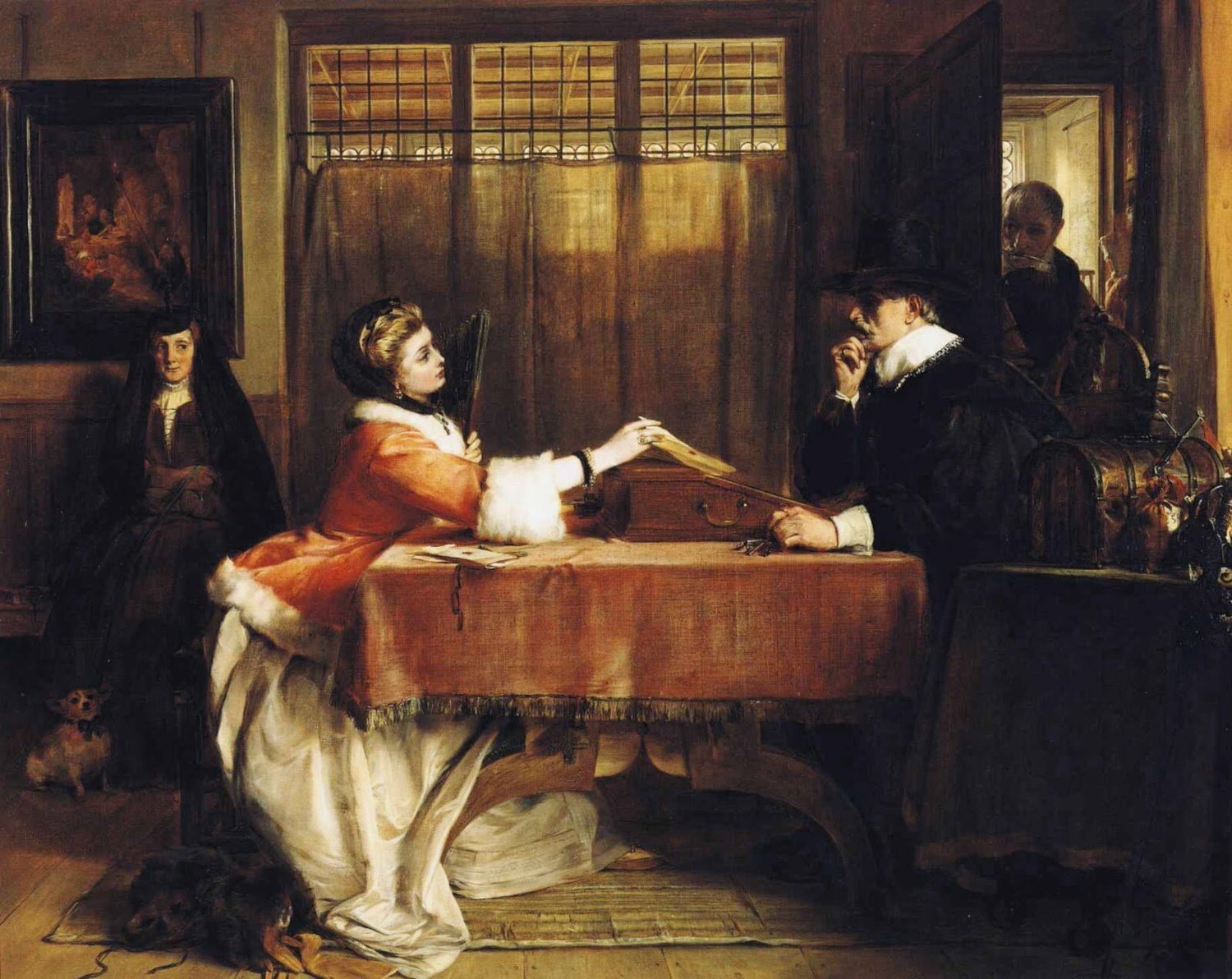
John Callcott Horsley, The Banker’s Private Room - Negotiating a Loan
A wealthy, aging baronet is not always kind to his poorer relations.
Here is another entertaining work of social comedy by Cook (see Novel040), filled with memorable characters.
“In these days, when writers of prose fiction are wont to stimulate their readers with mystery and violence, from the first to the latest pages of their works, the story may be thought deficient in respect of agonizing horror and daring improbability; but in pleasant humour, natural mirth, and characters resembling the men and women of actual existence, it possesses qualities with which the ingenious contrivances of a mere literary puzzle will not endure comparison.” Athenaeum, May 20, 1865
“It . . . may be read with leisurely enjoyment. . . . Nothing is attempted . . . with which its author is not competent to deal, and the characters . . . are not rendered impossible by a desire to give them an undue share of originality. They are such people as we might meet . . . and they behave very much as actual men and women do in real life. . . . The quiet humour which pervades it gives it a very pleasant flavour.” Saturday Review, June 19, 1865
“Mr. Cook is one of the pleasantest of our novel-writers. His stories are always interesting, his style is remarkably easy and agreeable, and he combines with shrewdness of observation . . . geniality and kindly humour . . . ‘Sir Felix Foy’ . . . is unusually rich in studies of character—some of them very carefully thought over and worked out. It is a story of everyday life, with nothing that is extravagant or sensational about it.” London Review, July 8, 1865
So you’ve lived in the South all your life, and you don't talk this way, and you don’t know anybody who talks this way, and nothing annoys you so much as linguistic inaccuracy in sound-replacement crosswords, and in fact you’re still fuming aboutCrossword 054? Well, that’s too bad.
“Until now, we have never seen a work of fiction which seemed to deserve the title a Tale of Real Life, but we must thank the authoress . . . for having justified, in her present work, our belief that such a tale might be so told as to find many and grateful listeners. About the vraisemblance, simplicity, and reality of the story there can be no question. Its construction—it cannot be said to have a plot—is that of many and many an unwritten biography, and among its readers there will be not a few who will recognise it as little more than a sober and truthful portrait of their own existence. . . . To those who read it on a quiet evening after a good day’s work—to those who read with a sober taste rather than with omnivorous mental appetite—it is likely to prove an agreeable and welcome variety, after the laboured piquancy of more pretentious works. Those who know . . . how wearisome a task novel reading may become, will probably agree with us in wishing that more of the novel-writers of our day were capable of imitating the good taste, simple style, and modest coloring which are the crowning merits of the pictures of English home life contained in these two little volumes.” Saturday Review, April 9, 1859
“In the course of the tale this practised and agreeable writer inculcates many just and sound views as to the importance and dignity of the tuitional vocation when rightly apprehended.” Critic, April 30, 1859
“There is a good sound English style, a kindly human sympathy, and a genial, warm and Christian spirit in the writings of this lady that make them deservedly popular, and this, her most recent work, is decidedly one of the most pleasant.” Eclectic Review, May, 1859
Here’s a puzzle that will inspire you to complete a certain pre-Christmas chore, if you happen to engage in this pre-Christmas chore. If you don’t—here’s a puzzle that will inspire you to congratulate yourself for escaping a certain pre-Christmas chore.
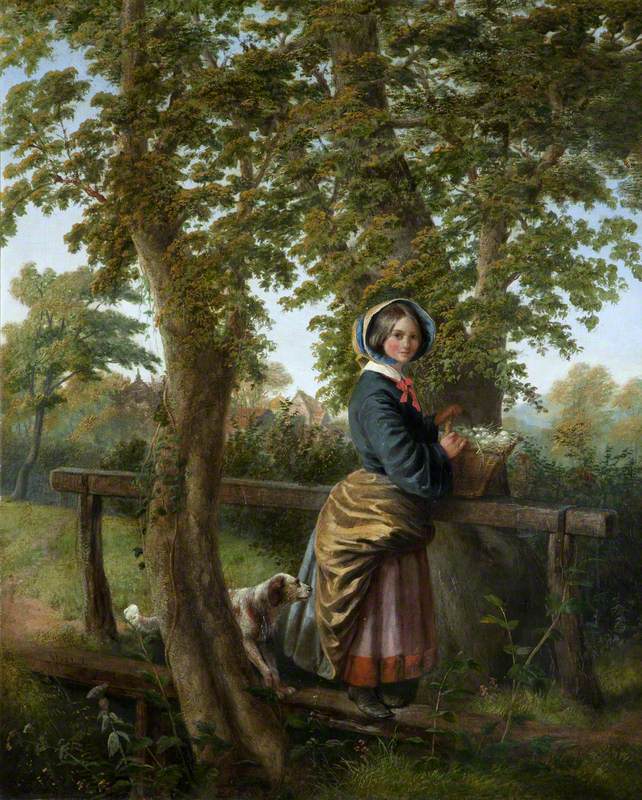
William Mulready, Young Girl with a Basket of Eggs
A farmer's daughter grows up admiring her brother and striving to be virtuous.
Elizabeth Missing Sewell (1815-1906) wrote some 13 novels, many, like this one, first-person narratives of a girl’s entry into adulthood. The reader must endure some pious tedium, but in exchange gets a set of living, original characters and a fine-grained representation of life on a tenant farm—a refreshing change from the usual aristocratic setting.
“To those who have leisure and patience, Ursula may be recommended as a careful and able depiction of country scenery, of a peculiar kind of country life, and a painstaking delineation of various characters, but time and patience are indispensable to its relish.” Spectator, April 17, 1858
“The characters are drawn with truth to nature, and they give a colour and turn to the circumstances and incidents of the story rather than the circumstances to them, which is as it should be, for in real life the same incidents played by different characters would lead to widely different results. Of course, the aim . . . is didactic; but . . . the book is genial and kindly, and the impression left on the mind is pleasant.” Athenaeum, April 24, 1858
Sewell’s purpose is “to delineate character—to analyze the mixed motives of human conduct—to trace the effects of moral errors in the unhappiness and disappointment which spring from them, and of self-denying virtue in its consequent happiness and contentment.” Literary Gazette, May 8, 1858
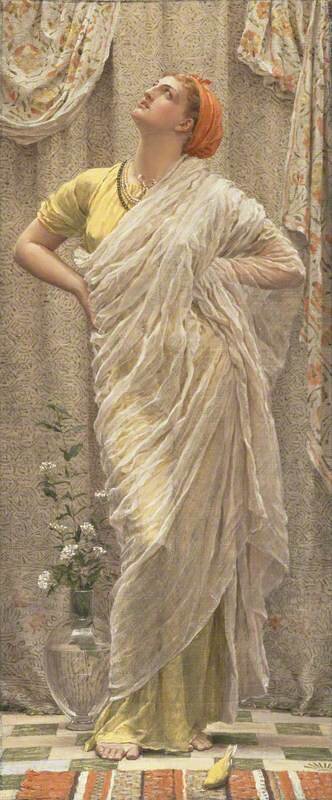
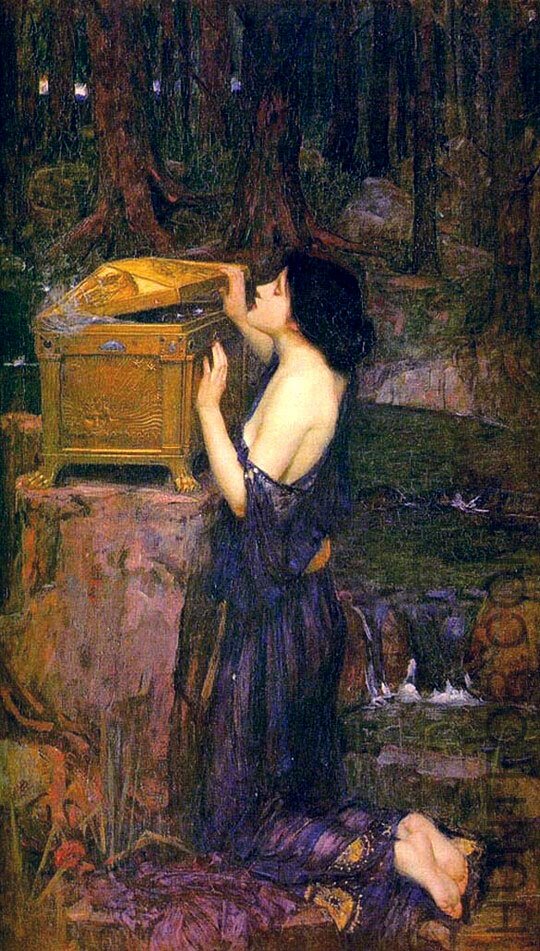
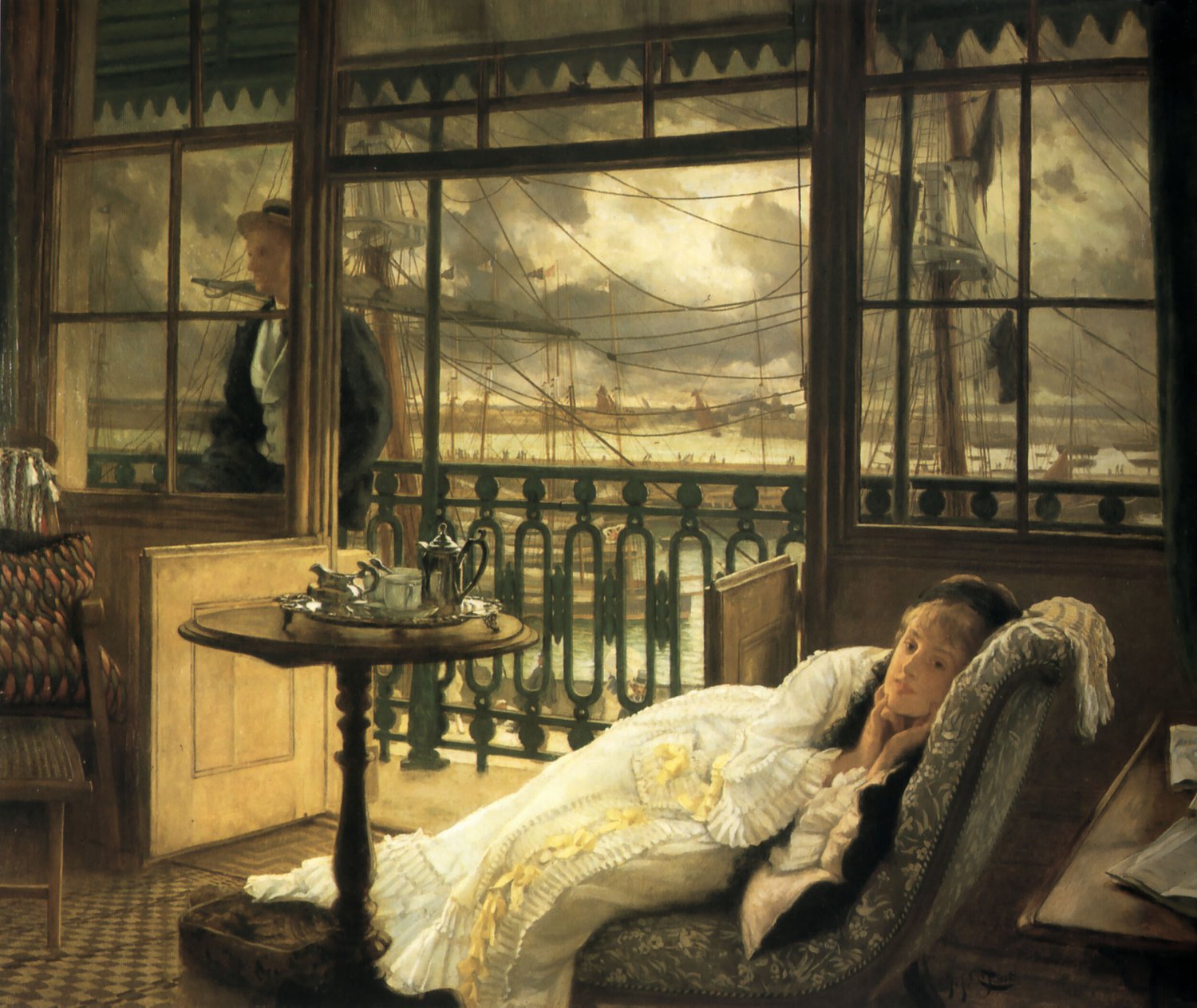
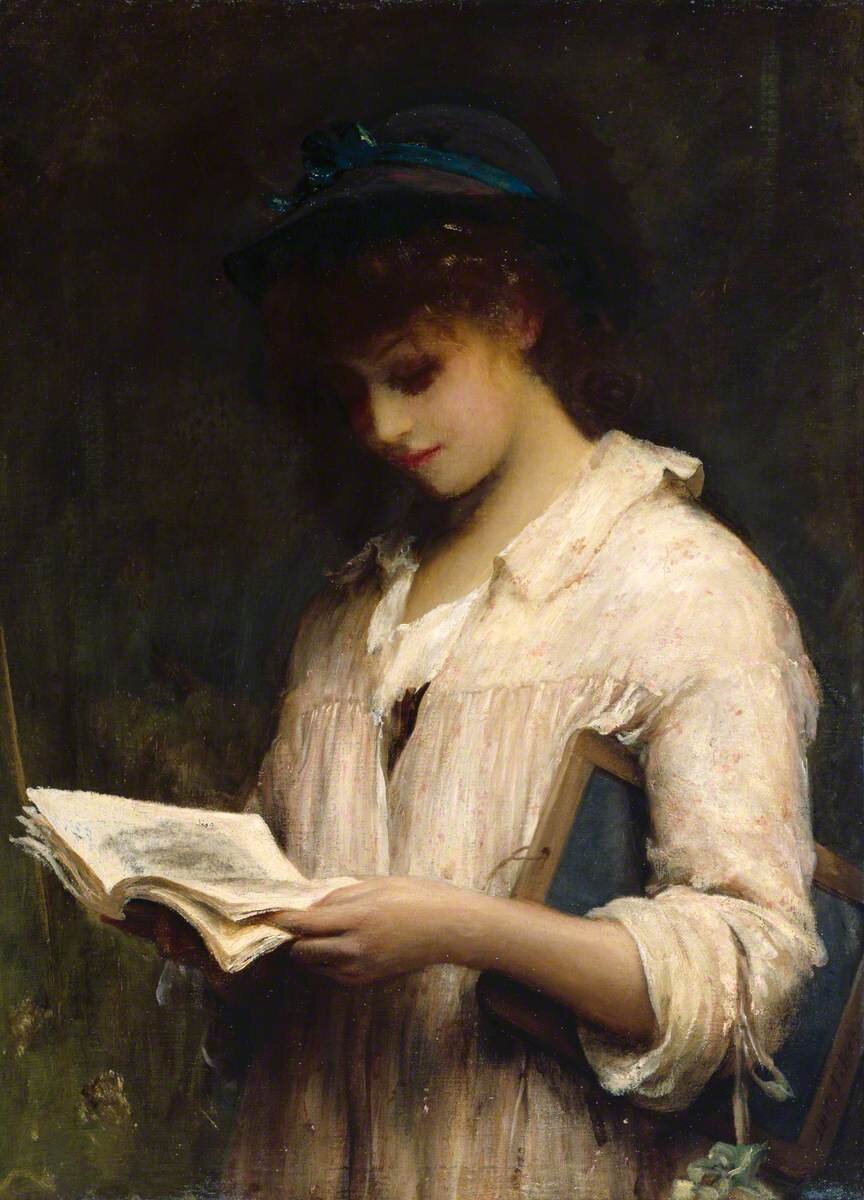
If the title’s suggestion of something lurid or dangerous frightens you—don’t worry. Nothing of the sort is permitted to intrude on this website’s atmosphere of stately calm, of idyllic reverie. And if you’re inclined to doze off like the lady in the picture above, go right ahead. You’re safe here.
A lively but virtuous young lady, raised by her unfashionable grandmother, is introduced into society by a fashionable aunt.
Frances Eleanor Trollope (née Ternan) (see Novel033) here provides another collection of deftly handled comic characters caught in Victorian contradictions of class and wealth.
The novel “deals with ordinary people and characters in a fresh and graceful way. Nothing could be more hackneyed than the basis of the plot; but there are some delightfully natural characters, and the current of interest is calm and pure throughout.” Athenaeum, December 15, 1888
“That Unfortunate Marriage . . . yields to none of this lady’s previous works in point of faithful and observant portraiture, with all the quiet humour which accompanies thoroughly natural description of life and manners. . . . One rises from the book with the feeling that one hardly remembers or cares what it has been about, in the delight of having formed a new and interesting circle of acquaintance, whose counterparts we know to exist in the world around us, and whose thoughts and ways have become so familiar that we could tell to a nicety what any of them would say or do in any given circumstances.” Academy, January 5, 1889
People often ask me, “Why are you so wonderful? What's your secret?” Well, I'll tell you what it is: it’s my attitude! I always look on the bright side! When life gives me lemons, I make a crossword puzzle!
An old woman is troubled about the succession of her ancestral estate.
Here is another novel by Margaret Oliphant (see Novels007,008,056): the elderly, morally conflicted protagonist and the playful young woman who torments her are both outstanding creations.
“Mrs. Oliphant . . . avails herself of a most unpleasant plot to make a remarkably fine study of character.” Bradford Observer, December 4, 1875
“The characters are generally well-drawn and diverting. . . . As a study of ordinary people, the book evinces a skill almost wonderful.” Scribner’s, May, 1876