David Alfred Bywaters's Crossword Cavalcade & Fortnightly Victorian Novel Recommender. Every Saturday! Either a new language-torturing puzzle or an old novel by an unjustly neglected Victorian author. Why waste time on other amusements?

Novel 078: Merwin & Webster, Calumet "K" (1901)
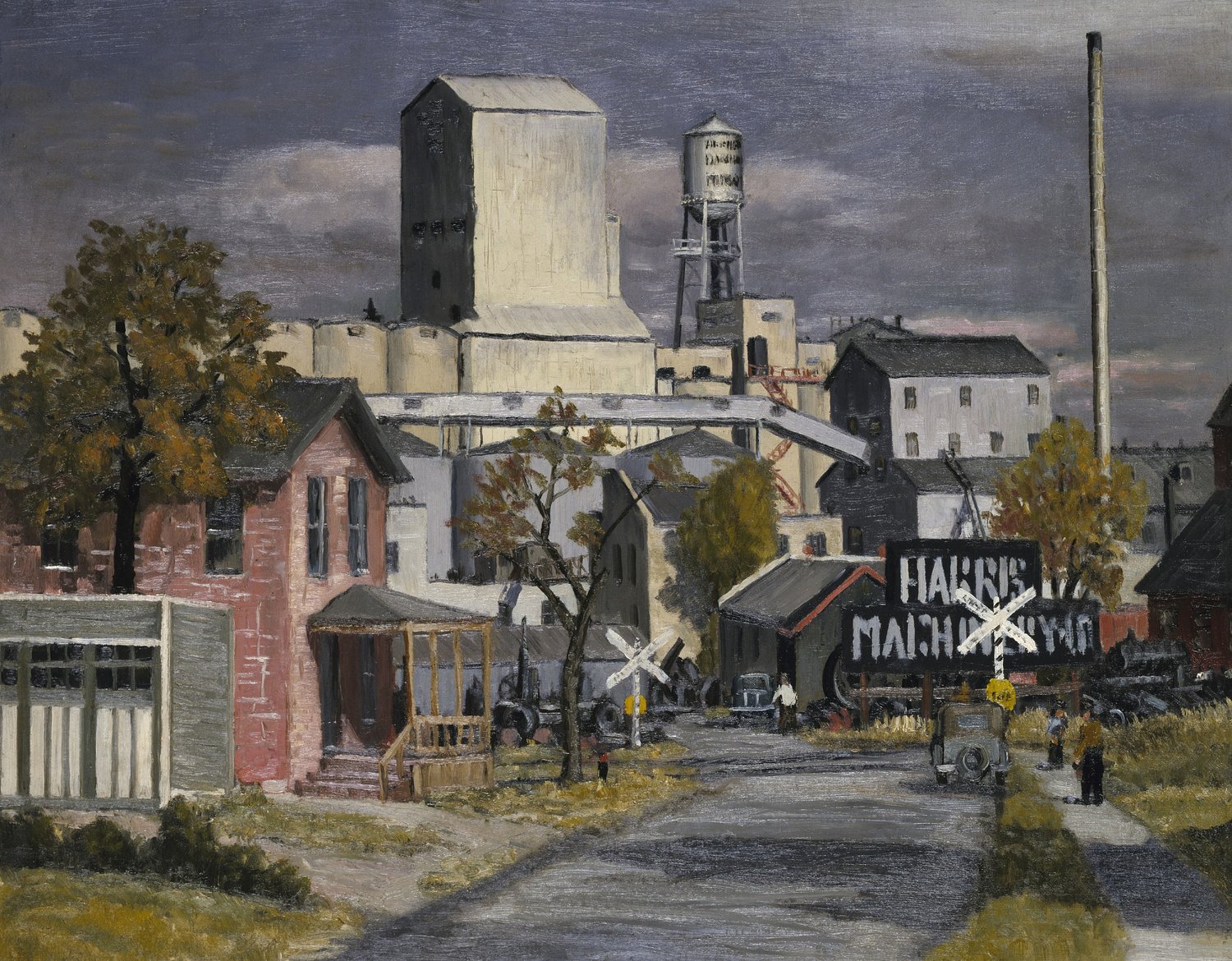
Arnold Ness Klagstad, Archer Daniels Midland Elevator

A man oversees the construction of a grain elevator.


Samuel Merwin (1874-1936) and Henry Kitchell Webster (1875-1932), both from Evanston, Illinois, collaborated on a number of novels.  This one makes the building of a grain elevator outside Chicago the occasion of a gripping tale of entrepreneurial good and evil.

“Not even Kipling could put more life into the story or give one a better idea of the obstacles which the man met and conquered.” San Francisco Chronicle, November 30, 1901

“As good a story of the romance of modern enterprise as can be found. . . .  The way in which the young constructor triumphs over all odds forms the substance of as thrilling a story as any tale of war or adventure.” Advance, December 5, 1901

“A brisk and characteristic example of the American novel,—the romance of Labour. . . .  The material of the book is  absolutely prosaic . . . but the story will delight readers who combine mechanical tastes with the spirit of practical enterprise. . . .  The joint authors have the faculty of clear and brief description, which makes it easy to follow the intricacies of a ‘business’ plot.”  Spectator, December 14, 1901

Download this week’s novel:
https://archive.org/details/calumetk00cogoog

Crossword 077: Omnia Vincit Clamor

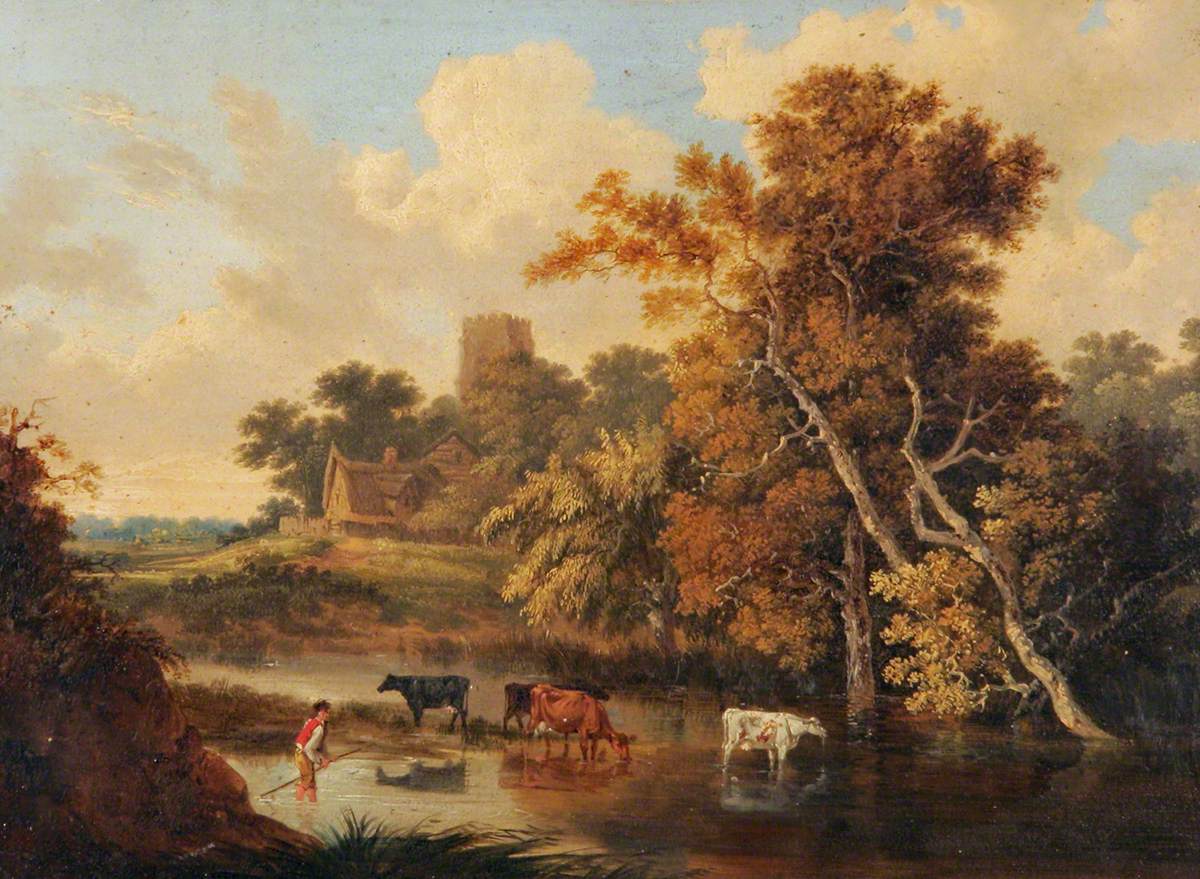
John Berney Ladbrooke, Cows in a Woodland Pool

Are you taking in all the subtle nuances of my puzzles, gentle solver?  The title of this one, for example, is a rueful reflection on the state of contemporary politics, while the puzzle itself, in pointed contrast, conjures a better, alternative world, one in which circus entertainers can afford second homes, and cows play baseball.  It’s utopian fantasy, to be sure, but not mere escapism, for it’s encased in biting topical satire.  (I invite my future biographers to make use of any or all of these phrases.)


Download this week’s puzzle:

077-Omnia-Vincit-Clamor.puz

077-Omnia-Vincit-Clamor.pdf

Solve this week’s crossword online:

077 Omnia Vincit Clamor

Novel 077: Mrs. Henry Wood, East Lynne (1861)

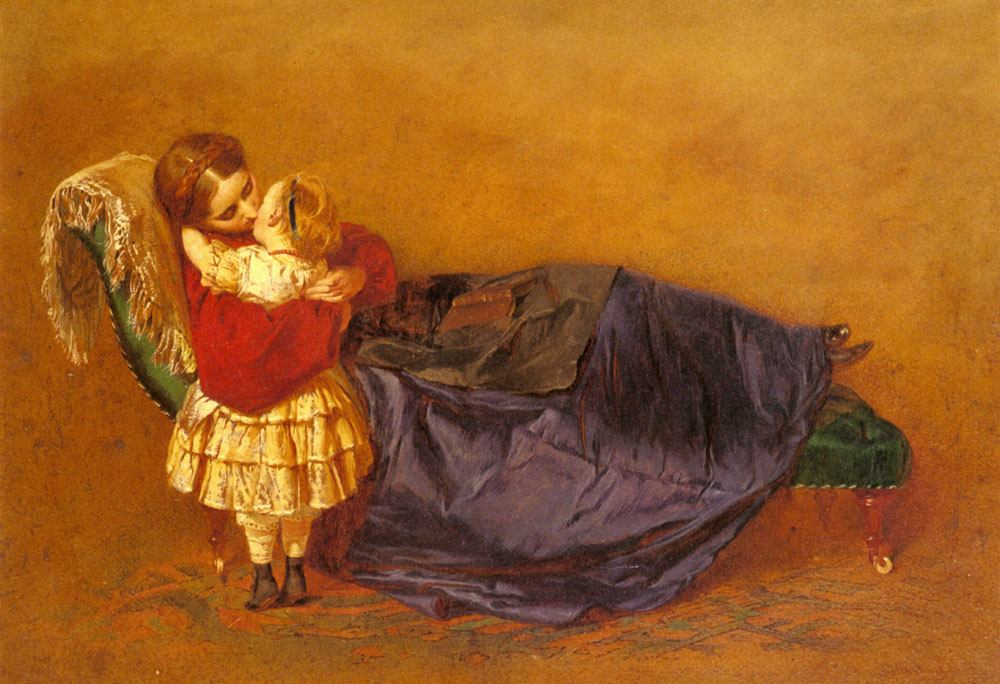
George Elgar Hicks, Mother and Child

A successful lawyer’s aristocratic wife is tempted to stray.


The prolific and popular Mrs. Henry Wood (born Ellen Price) (1814-1887), though she did not begin writing until middle age, published over forty novels and story collections; in this novel, which established her fame, her moralistic and sentimental proclivities can’t overcome vivid characters and a gripping plot.

“The plot is interesting, intricate and well carried out; the characters are life-like, and the writing simple and natural.”  Athenaeum, October 12, 1861

“The authoress treads the ground sacred to French novels with the honest and firm step of an Englishwoman.”  Examiner, October 16, 1861

“There is no wit in it, nor any powerful play of passion, nor any subtle analysis of character.  It merely flows on with a good plot carefully worked out, with clear, clever sketches of ordinary people, and in a pleasant, natural style.”  Saturday Review, February 15, 1862

Download this week’s novel:

v.1 https://archive.org/details/eastlynne01wood/

v.2 https://archive.org/details/eastlynne02wood/

v.3 https://archive.org/details/eastlynne03wood/

Crossword 076: Hydration


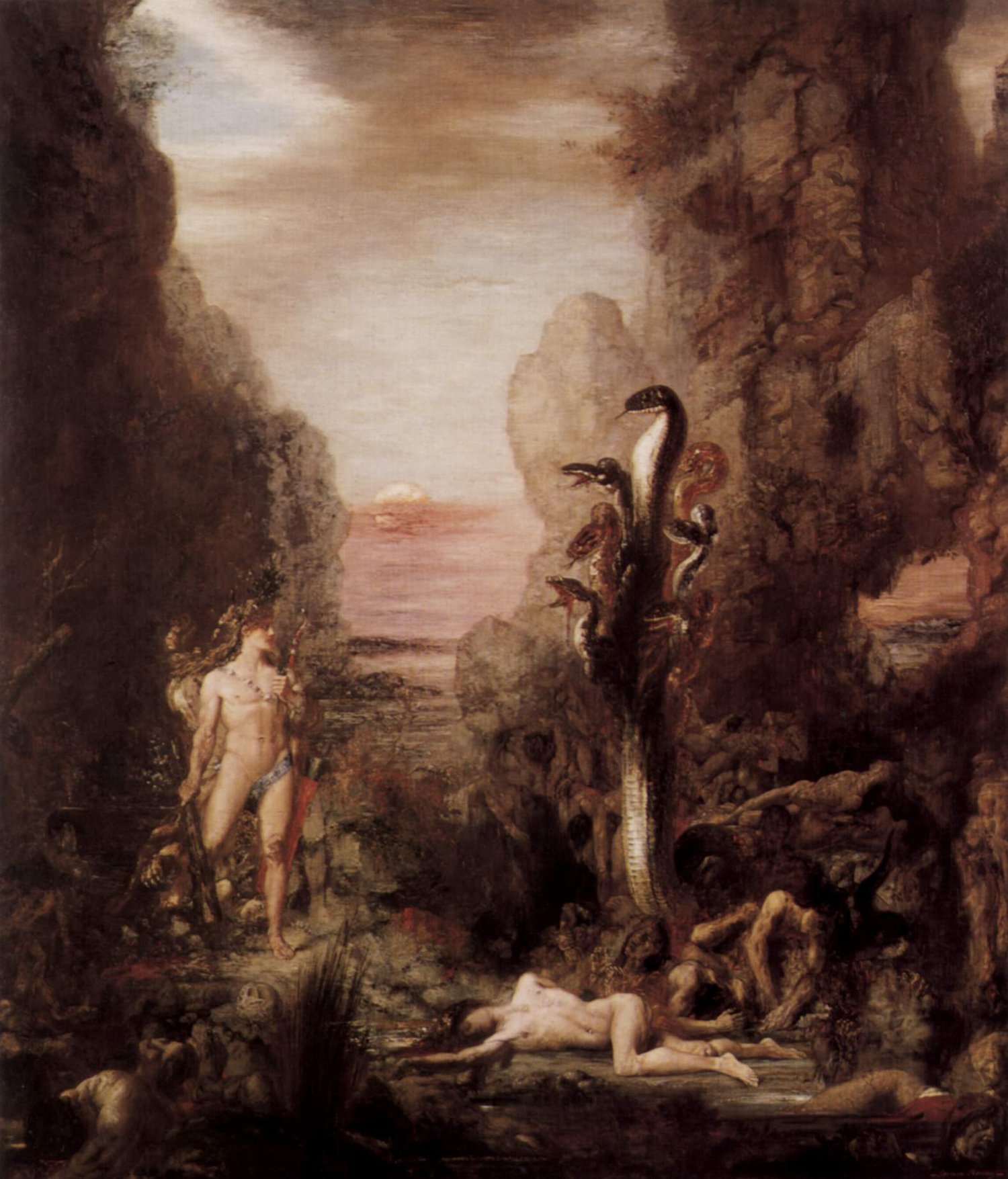
Gustave Moreau, Hercules and the Lernaean Hydra


I was planning a large puzzle based on the twelve labors of Hercules.  I was going to make the labors turn corners so that they’d seem extra laborious (crossword answers that turn corners are really hot these days).  I had fit in "Nemean," "Lernaean," "Ceryneian," "Erymanthian," and "Augean," all very neatly—but "Stymphalian"  defeated me.  Oh well—here’s this instead.

Download this week’s crossword:

076-Hydration.puz

076-Hydration.pdf

Solve this week’s crossword online:

076 Hydration


Novel 076: Hamilton Aïdé, Introduced to Society (1884)

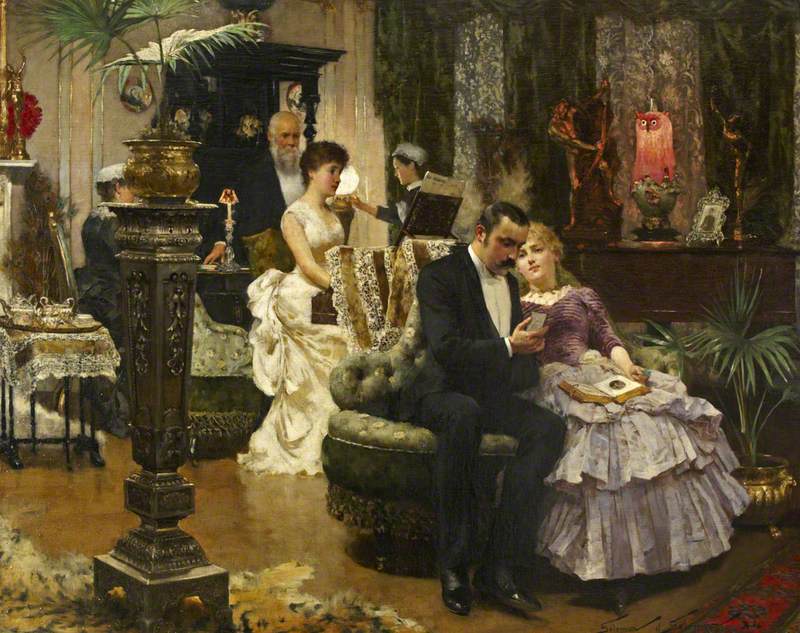
Solomon Joseph Solomon, A Conversation Piece

An Australian heiress pays a baronet for introduction into English society.


Charles Hamilton Aïdé (1826-1906) wrote some 17 novels between 1858 and 1901, most of them, like this one, social comedies in genteel settings.

“A bright, readable tale, written in excellent English, and containing plenty of clever dialogue.”  Athenaeum, March 15, 1884

“In all Mr. Hamilton Aïdé’s novels, good-taste and moderation are as conspicuous as knowledge of the world, and a certain subdued romance which is a pleasant corrective of the pessimism that ‘Society’ novels must reveal unless they are utterly vulgar. . . .  Some scenes in this too brief story have genuine beauty, others are humorous and caustic, and the whole story is good.”  Spectator, April 5, 1884

Download this week’s novel:

https://solo.bodleian.ox.ac.uk/permalink/44OXF_INST/35n82s/alma990146506930107026

Crossword 075: Stupid New Apple Devices

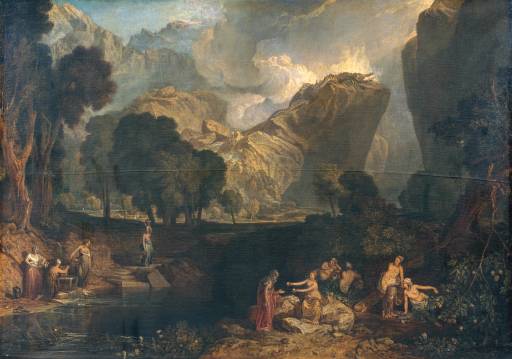
J.M.W. Turner, The Goddess of Discord Choosing the Apple of Contention in the Garden of the Hesperides

I bought my first Apple laptop long ago, when its maker was an underdog competitor of Microsoft; all the software I’ve learned, all the files I’ve made ever since have been within Apple’s systems.  And now, God help me, I’m trapped.  Apple charges ever more for ever worse computer products (the battery swells! the ports are gone! the keyboard doesn’t work! the update broke everything! nothing helps and nobody knows why!)  Meanwhile, with its monstrous stash of under-taxed money, it invests, not in improving the stability and durability of those products, but in finding ways to confiscate the dwindling profits of journalists, or in adding to the ever-growing heap of idiotic television shows on which the public stultifies itself when it would be so much happier solving crossword puzzles and reading Victorian novels.

In today’s puzzle, I react, as I do to all life’s ills, with impotent mockery.


Download this week’s puzzle:

075-Stupid-New-Apple-Devices.puz

075-Stupid-New-Apple-Devices.pdf

Solve this week’s crossword online:

075 Stupid New Apple Devices

Novel 075: Percy White, The Grip of the Bookmaker (1901)

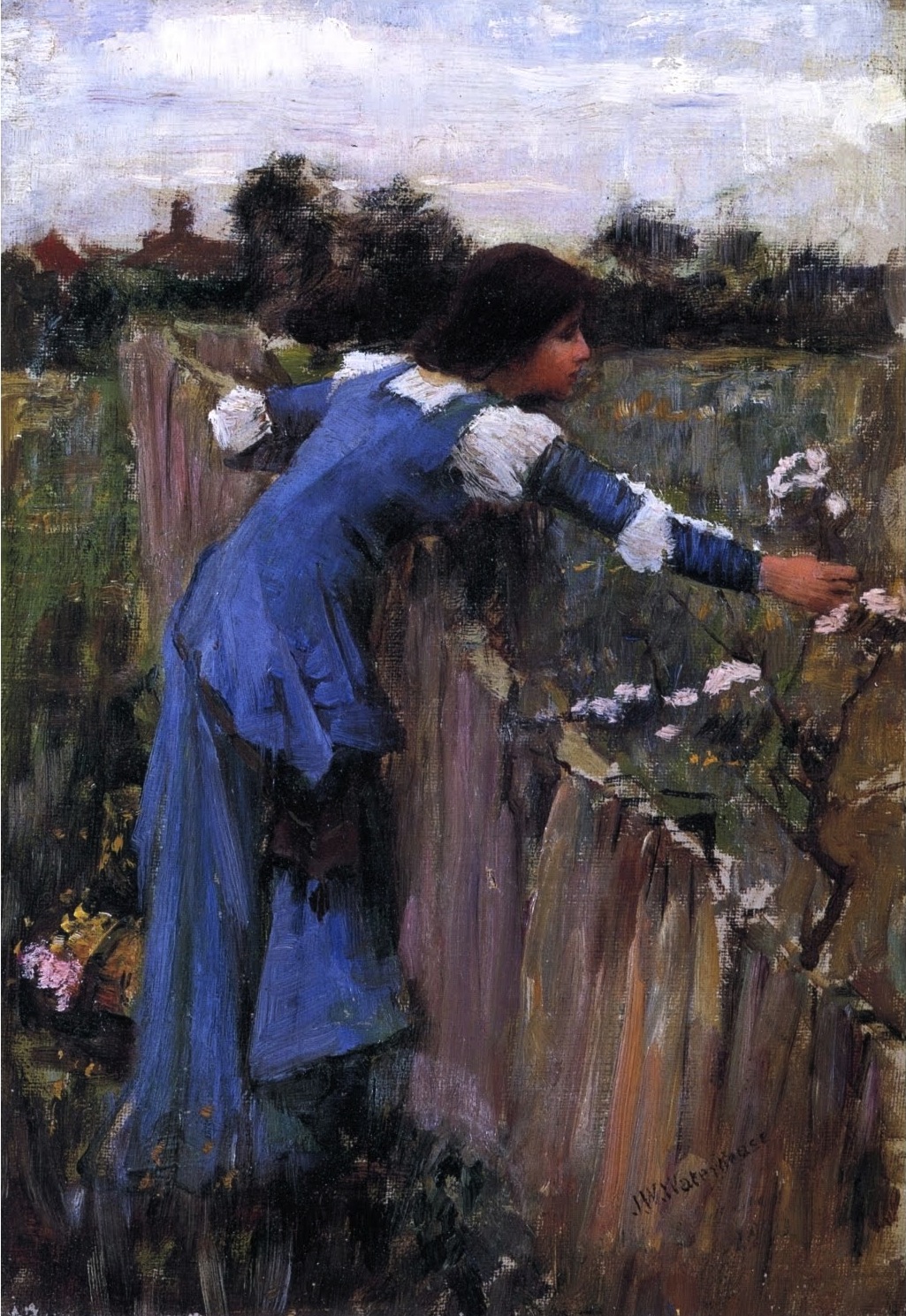
John William Waterhouse, The Flowerpicker

A retired bookie feuds with an aristocratic colonel whose daughter attracts his genteelly educated son.


Percy White (1852-1938) wrote some 30 novels between 1893 and 1914, many, like this one, clever social comedies set in London.

White’s muse “is at her best when inspiring her author with lively scenes about social London, and providing him with scalpel and knife to dissect the heart of some worldly old sinner.” This is “a very clever study of a retired racing man . . . both amusing and brightly written.  Perhaps on the whole the adjective ‘sparkling’ is the one that fits best.”  Spectator, July 27, 1901

“Frivolous, amusing, and well written.”  Academy, August 24, 1901

Download this week’s novel:
https://archive.org/details/gripbookmakerCorrected

Novel 074: Ellen Wallace, Beyminstre (1856)

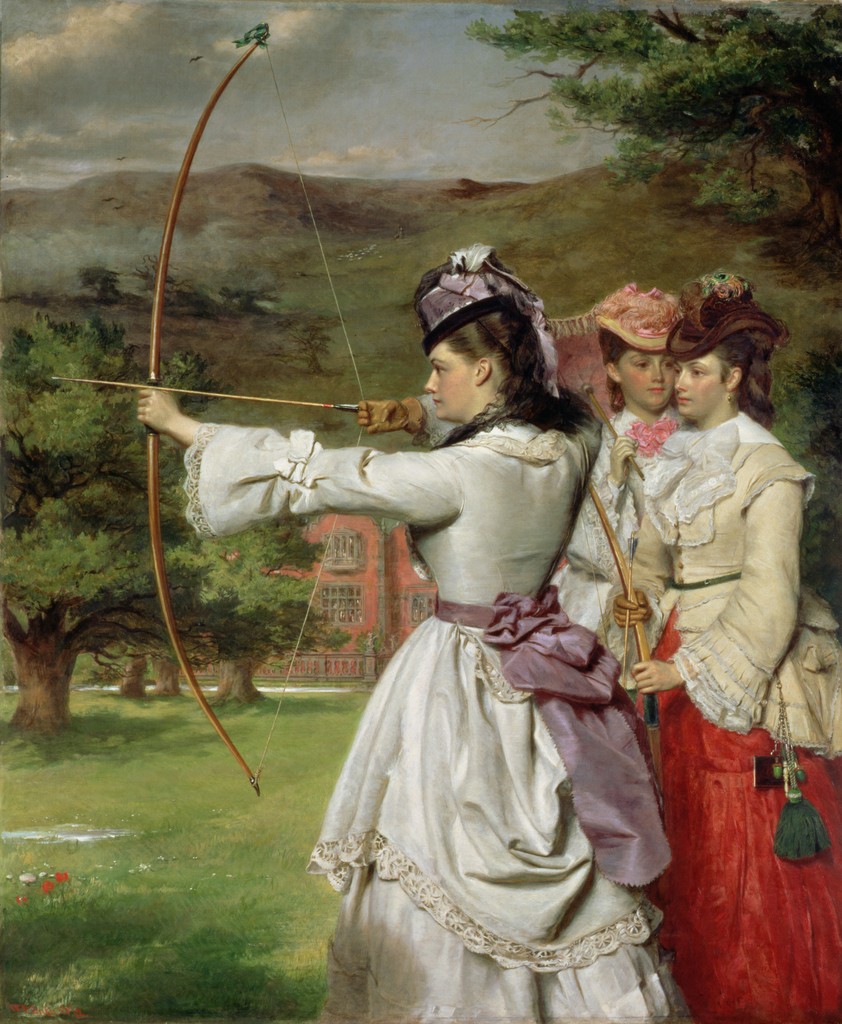
William Powell Frith, The Fair Toxophilites

A virtuous young lady loves a proud man.


Ellen Wallace (1816-1894) wrote seven novels beginning in 1840, of which this was the last. Its silly central plot conflict is kept mercifully in the background, allowing for a thoroughly entertaining display of its many and various settings and characters.

“The novel reminds us, in many respects, of Madame D’Arblay’s Cecilia . . . in thefelicitous delineations of character, the accurate descriptions of varied habits of life, and the skilful management of the dialogues. . . .  The conduct of the story is excellent.”  Saturday Review, April 12, 1856

The novel “is pleasant for the archness and good humour which are its predominating characters.”  Examiner, April 26, 1856

“This is a book we can cordially recommend to such of our readers as may be in search of a good novel:—it is clever and interesting, the two cardinal virtues of a novel.” Athenaeum, April 26, 1856

Download this week’s novel:
v.1 https://archive.org/details/beyminstre01wall

v.2 https://archive.org/details/beyminstre02wall

v.3 https://archive.org/details/beyminstre03wall


Novel 073: Bithia Mary Croker, Pretty Miss Neville (1883)

George Elgar Hicks, Home From School

An Irish girl grows up and goes to India.


This is the second of Croker’s fifty-some novels (the other of her novels I’ve recommended, Novel 013, was approximately her thirtieth).  Its first volume, describing its narrator’s Irish childhood, is especially engaging.

“Altogether this is an attractive and brightly written story, above the average of its class not only by its conception and execution, but also, and particularly, by the graceful manner of its narration.”  Athenaeum, May 12, 1883

“On the whole, we prefer the Irish scenes, to the Indian; but both are described with much liveliness, and make sufficiently good reading. . . .  Some of her characters . . . are very pleasantly drawn.” Spectator, July 21, 1883

“The story embraces a considerable range of incident; . . . there is not a dull page . . . from the beginning to the end.”  Saturday Review, September 29, 1883

Download this week’s novel:
v.1 https://archive.org/details/prettymissnevil02crokgoog

v.2 https://archive.org/details/prettymissnevil01crokgoog

v.3 https://archive.org/details/prettymissnevil00crokgoog

Novel 072: Catherine Gore, Stokeshill Place; or, The Man of Business (1837)

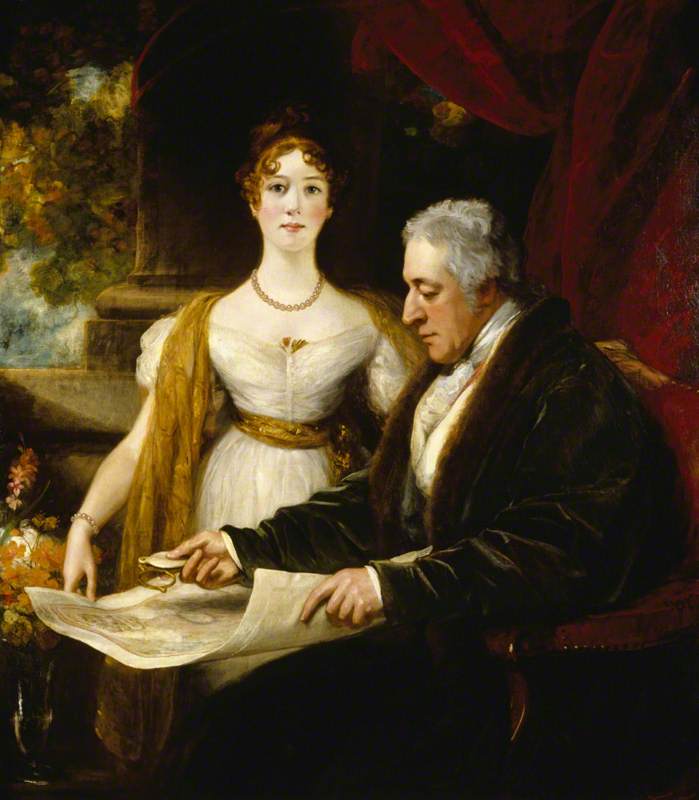
Thomas Phillips, George O'Brien Wyndham, 3rd Earl of Egremont, and His Daughter Mary Wyndham, Later Countess of Munster

A virtuous young lady is trapped in the  conflict between her striving middle-class father and the aristocrats who envy his wealth as he does their status.


Here is another great novel by Gore (see Novel 012), one of the most popular novelists of the early Victorian period, one of the best of any period.  The titular “man of business” and the social setting in which he struggles are memorably delineated.

“No one possesses greater skill in taking up the thread, and unwinding it, till daylight breaks into the social labyrinth, than Mrs. Gore. . . .  She has also the power of making her discoveries very amusing to her readers. . . .  Years hence, we believe [her works] will be taken up as the most curious and accurate pictures ever drawn by a living writer of an actual time.”  Literary Gazette, August 12, 1837

“In the case of a writer so long and deservedly popular as Mrs. Gore, our recommendation is scarcely needed, but yet we will recommend, candidly and without stint, these volumes to an attentive perusal. . . .  Considering the author’s sex, her keen perceptions of the real and rough business of life occasionally excites our surprise.  She has evidently studied mankind in other places and among other subjects than drawing-rooms and London coteries.”  Metropolitan Magazine, October, 1837

This is “like all Mrs. Gore’s novels, skilfully constructed in point of plot, and cleverly as well as naturally detailed.  She is a smart writer as well as a shrewd observer; and along with these requisites for one who would show up the frailties and follies of mankind or lash them effectively, she can, whenever she chooses, strike a deeper note and appeal to strong and tender affection.”  Monthly Review, November 1837

Download this week’s novel:
v.1 https://archive.org/details/stokeshillplaceo01gore

v.2 https://archive.org/details/stokeshillplaceo02gore

v.3 https://archive.org/details/stokeshillplaceo03gore

Novel 071: Esther Bakewell, Glenwood Manor-House (1857)

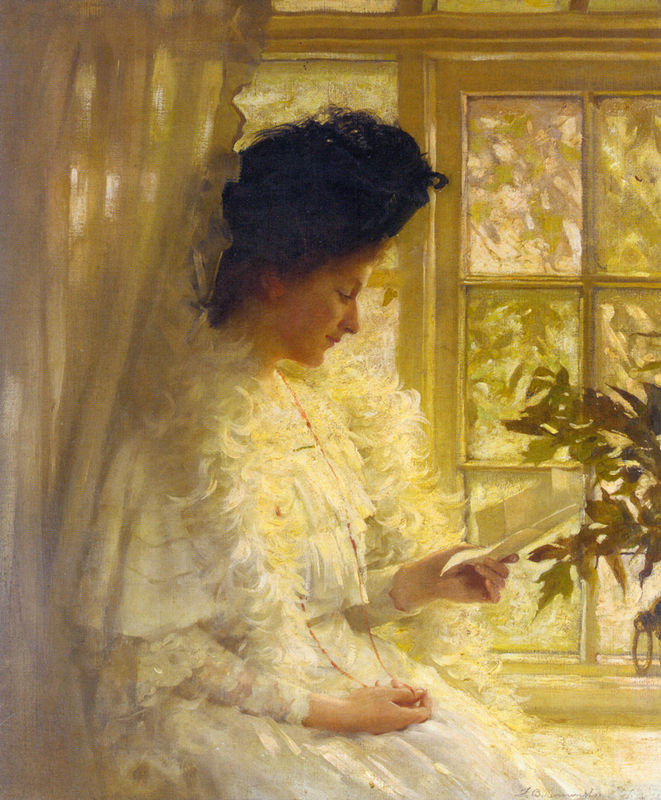
Thomas Benjamin Kennington, The Letter

A virtuous young lady living in poverty is employed as the companion of a rich woman on a Yorkshire estate.


Esther Bakewell (1798-1873), who also wrote a novel for children consisting entirely of one-syllable words (available on Gutenberg.org) seems to have written only one novel for adults—this one.  It offers an odd but amusing mixture of quiet domestic life with unlikely criminal scheming.

“This novel possesses merit far above the average. . . .  There is a certain amount of character in the book, there are plenty of incidents, and some of the situations are excellent, the more so from the fact that they are situations which really belong to the novel and not to the drama.”  Illustrated Times, July 25, 1857

 “The action of this volume never flags; some of the persons introduced are of classes perfectly well known, yet presenting points of idiosyncrasy that single them out from the mass, and impart a strong individual character.”  Morning Post, September 5, 1857

Download this week’s novel:
http://access.bl.uk/item/viewer/ark:/81055/vdc_00000004780E#?c=0&m=0&s=0&cv=0&xywh=-796%2C-132%2C3078%2C2636

Crossword 070: Need for Speed?

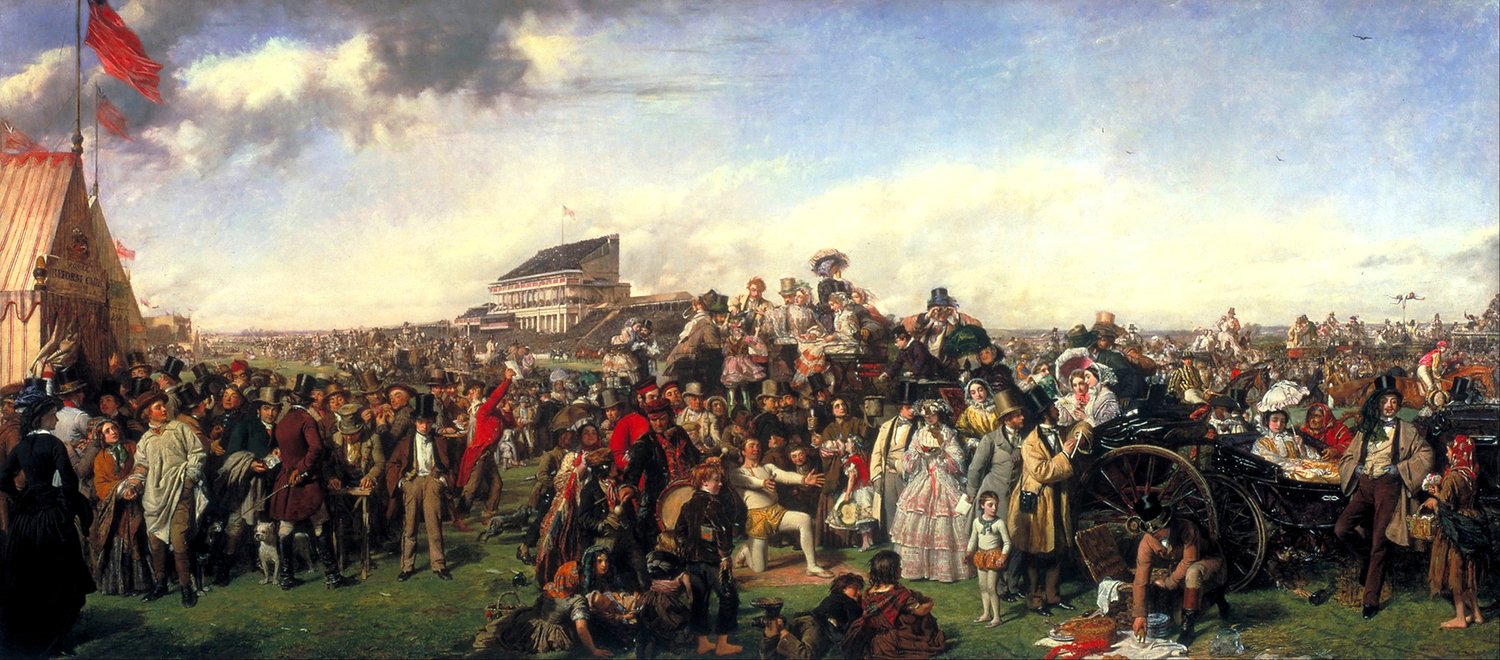
William Powell Frith, The Derby Day

Today's puzzle will be distributed (thanks to "Bob Kerfuffle") at the annual American Crossword Puzzle Tournament, where people try to solve puzzles as fast as they can.  I myself don’t like to solve puzzles fast.  I like to savor them, to meditate on the nuances of the fill and the cluing, and on the ramifications of the theme.  That’s why I design puzzles the nuances and ramifications of which can be easily meditated on.  I won’t spoil your fun by explaining just what those might be in this puzzle.


Download this week’s puzzle:

070-Need-for-Speed?.puz

070-Need-for-Speed?.pdf

Solve this week’s crossword online:

070 Need for Speed


Novel 070: Elizabeth Daniel, Esther Dudley's Wooers (1874)

George Bernard O'Neill, The Reproof

A proud young lady, newly orphaned, goes to live with an elderly cousin in a northern backwater and adapts with difficulty to local society.


Elizabeth Daniel (1823-1878), was the wife of promising Scottish novelist Robert Mackenzie Daniel until, in 1846, he went mad, dying the following year.  Thereafter she wrote some thirty novels of her own; this, appearing late in her career, is a quiet character study.

“Mrs. Mackenzie Daniel has proved in a satisfactory manner that a story may be interesting without being sensational, religious without being morbid, moral without being dull, a study of character without being a marvel of psychological surgery.  While capable of taking a bright view of individuals, she does not yearn and gush about the divinity of the human race; and in exhibiting the occasional infirmities to which flesh is subject, she does not think it necessary to discover in the mass of mankind the existence of crude lumps of moral nastiness.”  Athenaeum, May 2, 1874

“A very readable novel.  The story is  well told; the characters are drawn with considerable cleverness.”  London Daily News, May 23, 1874

Download this week’s novel:
v.1 http://access.bl.uk/item/viewer/ark:/81055/vdc_00000004B9B4#?c=0&m=0&s=0&cv=0&xywh=-936%2C-124%2C3300%2C2471

v.2 http://access.bl.uk/item/viewer/ark:/81055/vdc_00000004B9BA#?c=0&m=0&s=0&cv=8&xywh=-89%2C0%2C2661%2C1992

v.3 http://access.bl.uk/item/viewer/ark:/81055/vdc_00000004B9C0#?c=0&m=0&s=0&cv=8&xywh=-115%2C0%2C2644%2C1979

Crossword 069: Technological Innovations

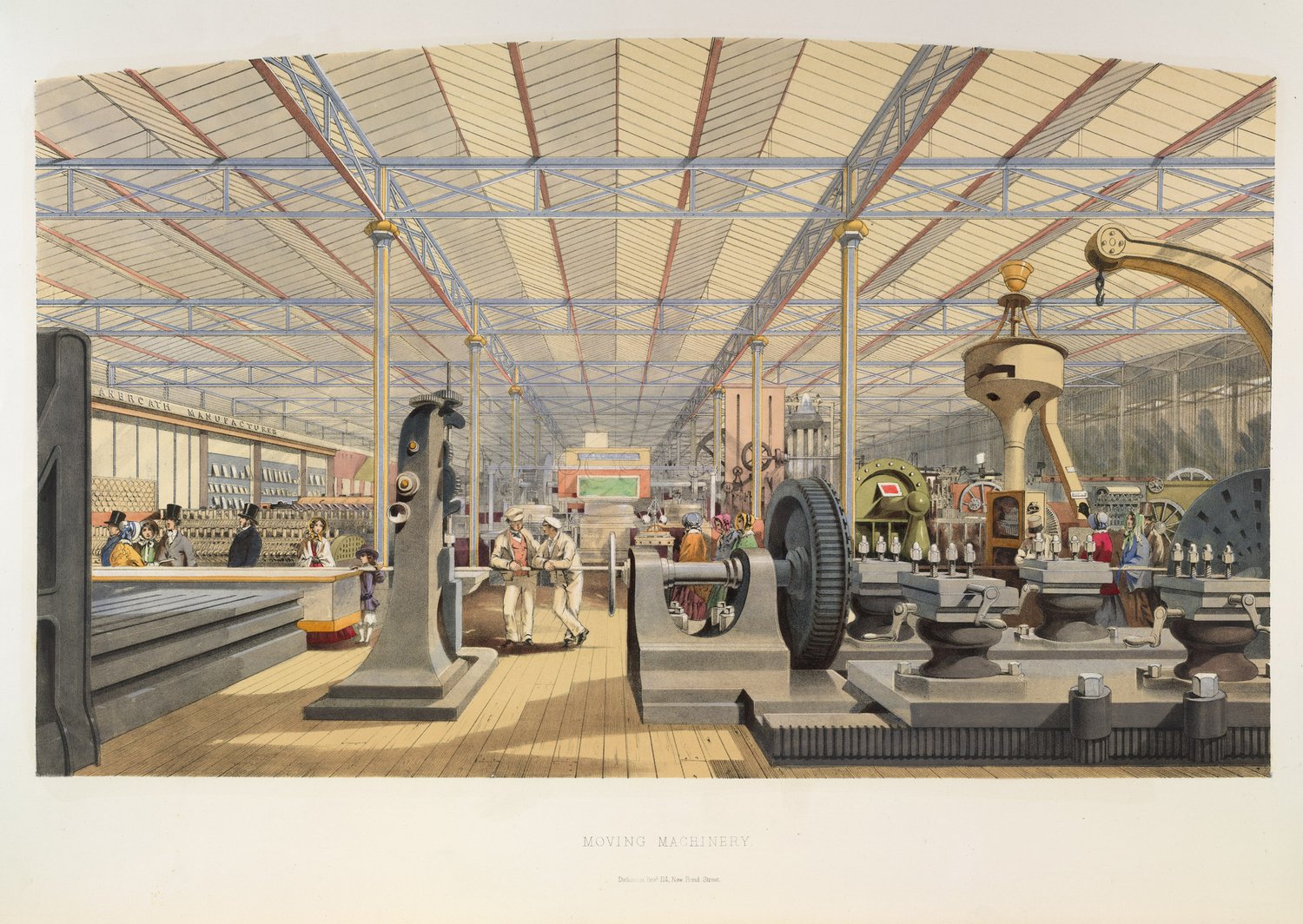
From Dickinson's Comprehensive Pictures of the Great Exhibition of 1851

This puzzle evokes a dystopian future in which machines, built to drudge for us, acquire wills of their own and become our masters.  At first glance it may seem like just a good thriller.  More serious solvers, however, will find beneath the surface a profound meditation on what it means to be human.


Download this week’s crossword:

069-Technological Innovations.puz

069-Technological Innovations.pdf

Solve this week’s crossword online:

069 Technological Innovations


Novel 069: Anne Marsh-Caldwell, Emilia Wyndham (1846)

Edmund Blair Leighton, Till Death Do Us Part

A virtuous young lady, left in poverty, marries a stiff old lawyer.


Anne Marsh-Caldwell (1791-1874) published some 26 works of fiction between 1834 and 1867; her high moral tone exemplifies what most people associate with the word “Victorian.”  Here, however, she successfully portrays complex characters in interestingly difficult situations.

“A masterpiece . . .,  a most beautiful tale, with a charming, tender moral. . . .  The characters are real, the incidents unforced, and the whole story a delightful combination of the natural, the passionate, and the wise.”  Examiner, April 11, 1846

It “goes far, in our opinion, towards realizing the idea of a perfect novel.  Its conception is new and striking, its characters are strongly marked and consistently sustained, and they are developed in conversation and action rather than in description.  The book is full of amusing pictures of life and manners, while it lays open the deepest feelings of the mind and heart.  The interest never flags, and yet the narrative is always simple, natural, and vraisemblable.” Christian Remembrancer, October, 1847

Download this week’s novel:
v.1 https://archive.org/details/emiliawyndham01mars

v.2 https://archive.org/details/emiliawyndham02mars

v.3 https://archive.org/details/emiliawyndham03mars