David Alfred Bywaters's Crossword Cavalcade & Fortnightly Victorian Novel Recommender. Every Saturday! Either a new language-torturing puzzle or an old novel by an unjustly neglected Victorian author. Why waste time on other amusements?

Novel 288: Anonymous, Married Women (1855)
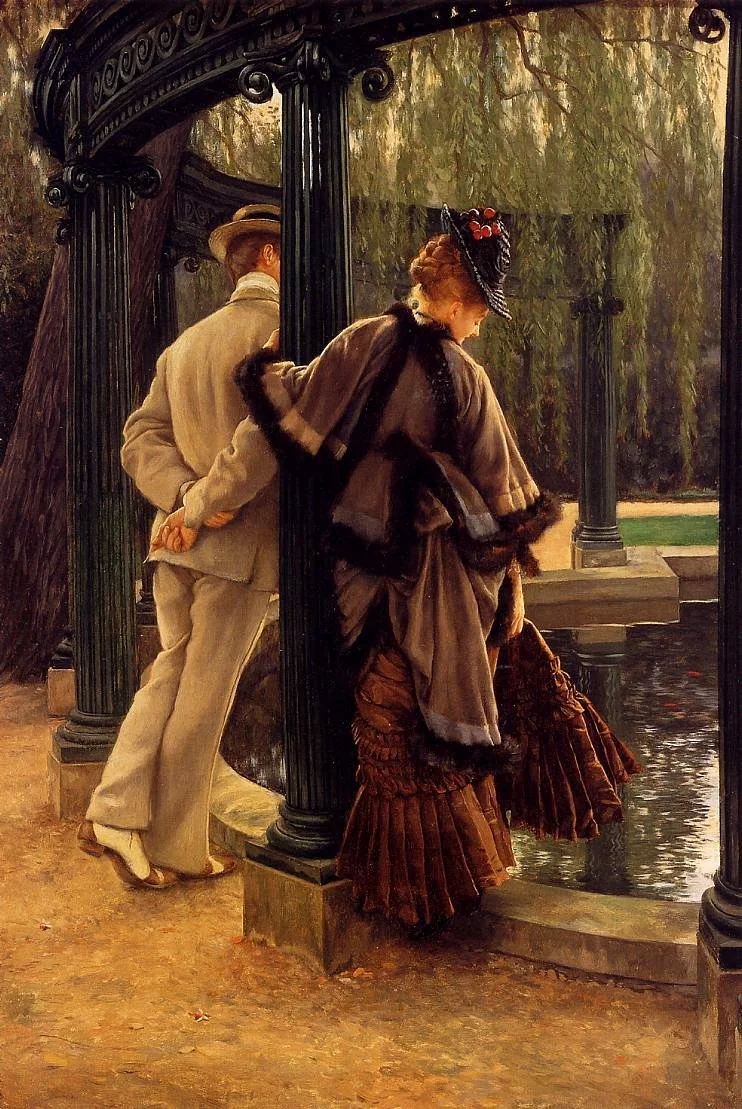
James Jacques Joseph Tissot, Quarreling

A virtuous young lady’s cousin breaks their engagement to marry an adventuress.


This is the second of this anonymous author’s novels (the first, Broomhill, had appeared three years earlier).  Despite some period clichés (e.g., the ideal clergyman who, after final exhortations to his family, expires with a heaven-witnessing smile), it represents some delightfully bad marriages.

“With greater powers of writing and more knowledge of life than usually belongs to the circulating library novel, Married Women is essentially of that class. . . .  The scenes, though not wanting in power or spirit, possess that faded air which characterizes general imitation.  But there is the main thing in a novel—a well-varied story, told with sufficient rapidity, relieved by secondary fortunes without complex involution, and if not reminding one of the actual yet rarely outraging probability.  It is a book for the reader rather than the critic; though better adapted to the main end of writing, that of pleasing the class of readers for whom it is designed, than some fictions of a more vaulting ambition.”  Spectator, March 10 1855

“We have read this novel ourselves with much pleasure, and we have no doubt that many others will do the same.  If rigidly criticized, the story will be found straggling:—it concerns too many people, who are all independent of each other, and do not work together to produce unity of result.  But, notwithstanding this, the book is extremely interesting, and, what is more, the tendency is healthy and unexceptionable.  The characters are well and firmly drawn. . . .  Some of the scenes evince quiet power and force of delineation, without ambitious straining after effect.” Athenaeum, March 17, 1855

A contrasting view:

“Milk-and-water triviality. . . .  We suppose there is still a public for novels like this among the clients of circulating libraries in provincial towns; and, after all, an interest in such feeble creations is better than blank ennui or indulgence in acrid gossip.”  Westminster Review, July 1855

Download this fortnight’s novel:

https://solo.bodleian.ox.ac.uk/permalink/44OXF_INST/35n82s/alma990146724840107026
(Right-click (or control-click, if you have a Mac) on the “view digitized copy” links to download the novel’s three volumes in pdf form)
Crossword 287: Double Letters

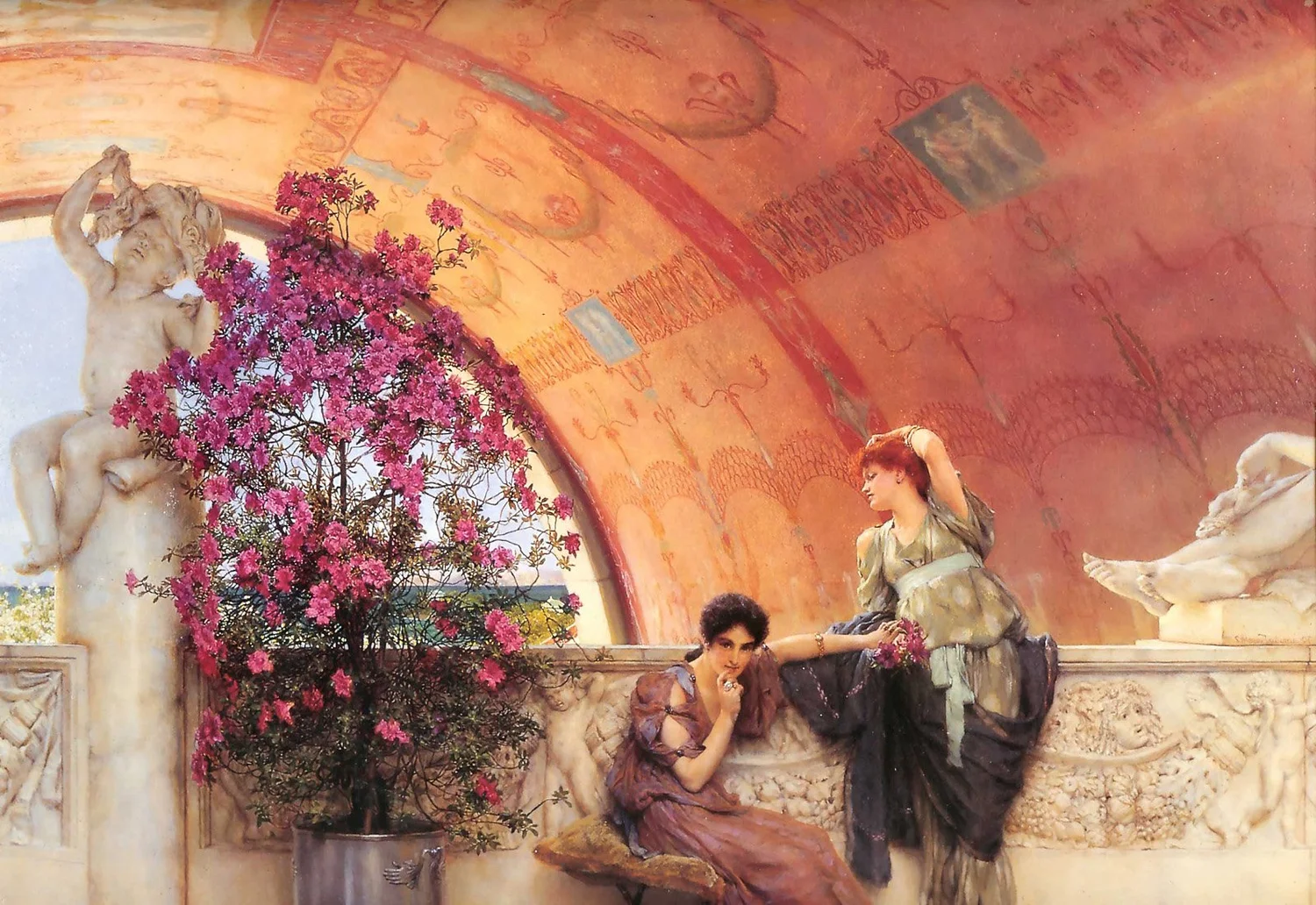
Sir Lawrence Alma-Tadema, Unconscious Rivals

Like most of my puzzles, this one began with a single phrase I thought amusing (in this case, 39 Across).  After finding four more phrases that followed the pattern of the first, and constructing and filling a grid, I discovered, to my dismay (through Matt Ginsberg’s sadly discontinued clue database, which I use to avoid forever replicating the same clues for the same answers), that one of my theme answers had already been clued not once but twice, in 2009 by Matt Jones, and in 2021 by Gary Larson.

Now, why must other people always be getting in my way?  I used to enjoy doing crosswords; but ever since I took up constructing them, I find I can’t complete a themed puzzle without saying to myself either “What a bad theme, compared to the themes I produce at fortnightly intervals; what a shame!” or “What a good theme; I’m sure I’d have thought of it eventually and done it even better, but now here it is already done; what a shame!”

Anyway, though I replaced the shopworn theme answer with a bright new one, I cannot deny that two puzzles with roughly the same theme have preceded this one into the world.  But what then?  Was Michelangelo’s David preceded by no other statues of David?  Was Raphael the first to paint a Madonna?


Download this fortnight’s crossword:

287-Double-Letters.puz

287-Double-Letters.pdf

Solve this fortnight’s crossword online:

287 Double Letters

Novel 287: Charlotte Dunning Wood, Upon a Cast (1885)

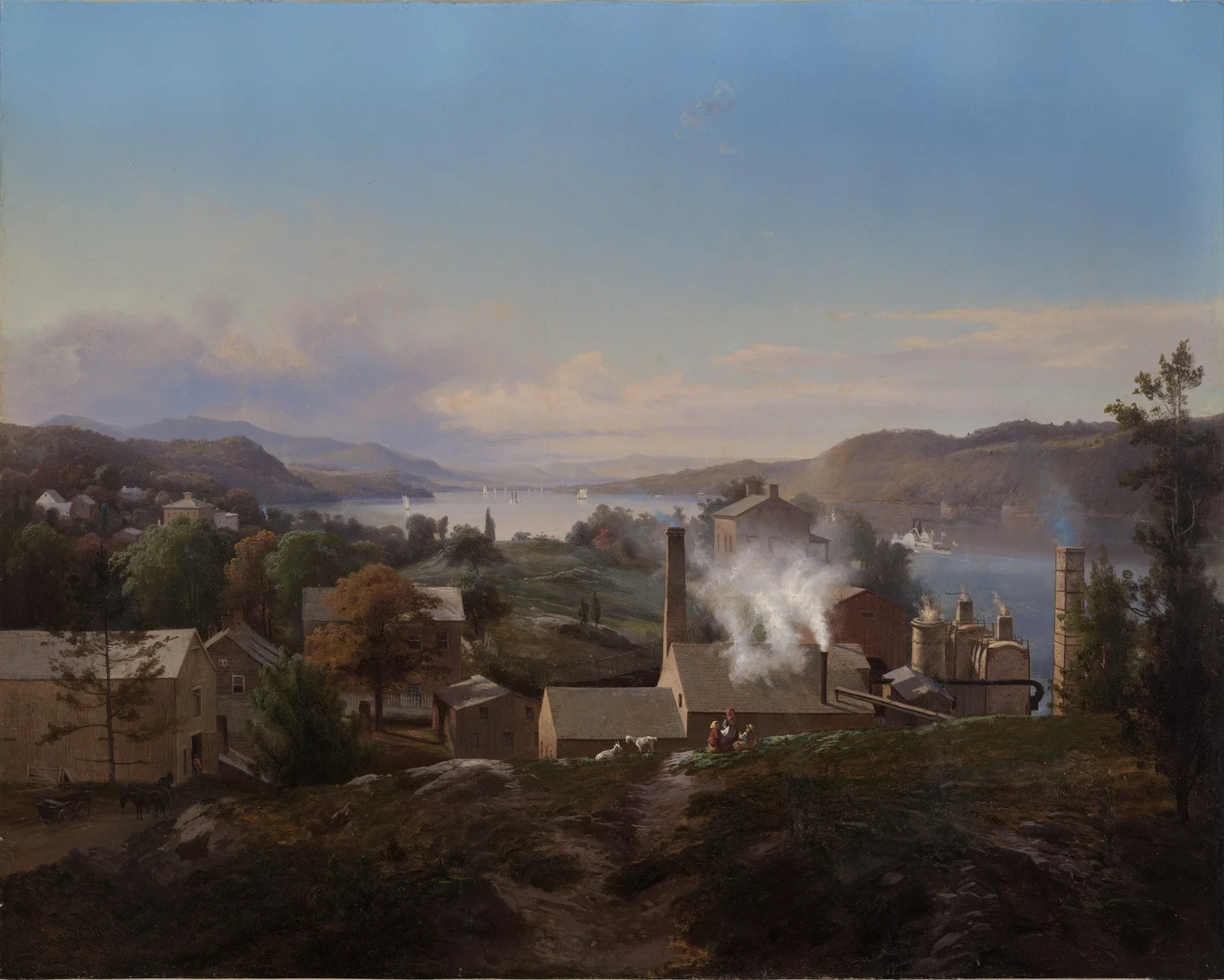
Johann Hermann Carmiencke, Poughkeepsie Iron Works (Bech’s Furnace)

A virtuous young lady moves into a Hudson River town after years in Germany.


Charlotte Dunning Wood, born in 1858 or 1859 in Poughkeepsie, New York, wrote two novels and various stories before marrying Edward Linn Morse (the youngest son of Samuel F.B. Morse, inventor of the code that bears his name) in 1888.  She died in 1898.

“For an entertaining summer story, Upon a Cast, by Charlotte Dunning, may be recommended.  The name is meaningless, but the story is effectively told.  Society life in a fashionable town on the Hudson . . . , the embarrassment of one fair maid with two unfortunate lovers . . . form the subject matter of the book, which is agreeably free from dark and treasonable shadows.  Miss Dunning deserves special praise for the ease and naturalness of her narrative.”  Jewish Messenger, July 3, 1885

“A very bright American story. . . .  The characters . . . are described with a trenchant and familiar pen.  The characters are well drawn and though the incidents are ordinary ones, they are handled with skill.  It is a very pleasant and entertaining book.”  Texas Siftings, July 11, 1885

“Bright and brisk; its story is sufficient, to say the least; its people are pleasant, well bred, well educated, clever; and its dialogue, which is abundant, is admirable and to the point.”  Saturday Review, April 17, 1886

A (somewhat) contrasting view:

“An unusually bright and pretty story, without being remarkable for either power or originality.” Portland Daily Press, July 8, 1885

Download this fortnight’s novel:

https://archive.org/details/uponcast00wood

Crossword 286: Senior Centers

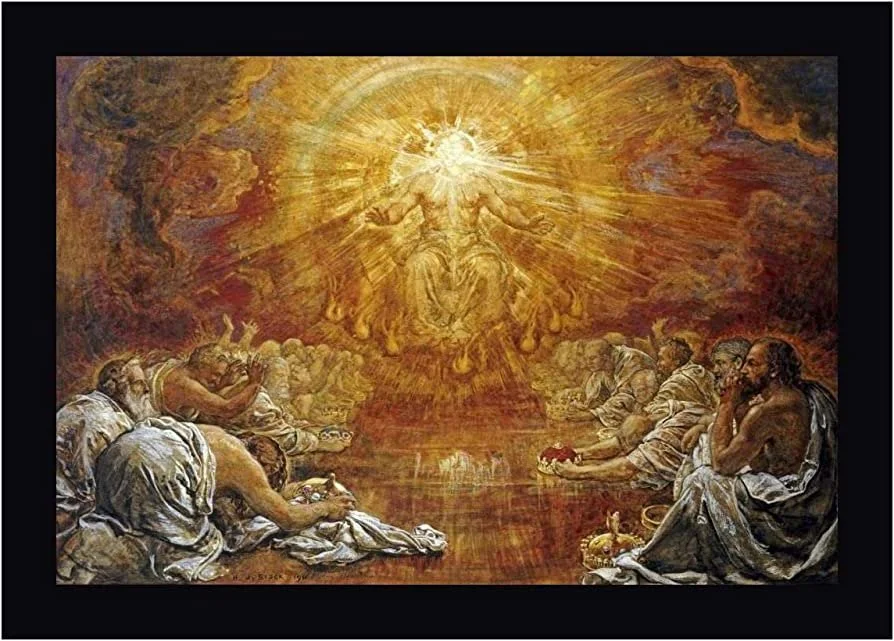
Henry John Stock, The Four and Twenty Elders

“Senior,” as a euphemism for “old,” has been around for many years—as least since the senior citizens of the present day were junior citizens.  Indeed, the very fact that the term hasn’t had an update in such a long time is, I suspect, a consequence of the unspoken ageism that permeates our society.  We need a new word or phrase that means “old,” but lacks the pejorative associations with wrinkles, hair loss, jowls, etc. that “senior” now inevitably evokes.  Unyoung?  Ripe?  Temporally enriched?  Durable?  Not yet dead?  Well, I leave it to the online influencers whose coinages appear regularly in all the major crossword venues.  Meanwhile, before “senior” dies out, I hasten to post this puzzle.


Download this fortnight’s crossword:

286-Senior-Centers.puz

286-Senior-Centers.pdf

Solve this fortnight’s crossword online:

286 Senior Centers

Novel 286: Margaret Paul, Gentle and Simple (1878)

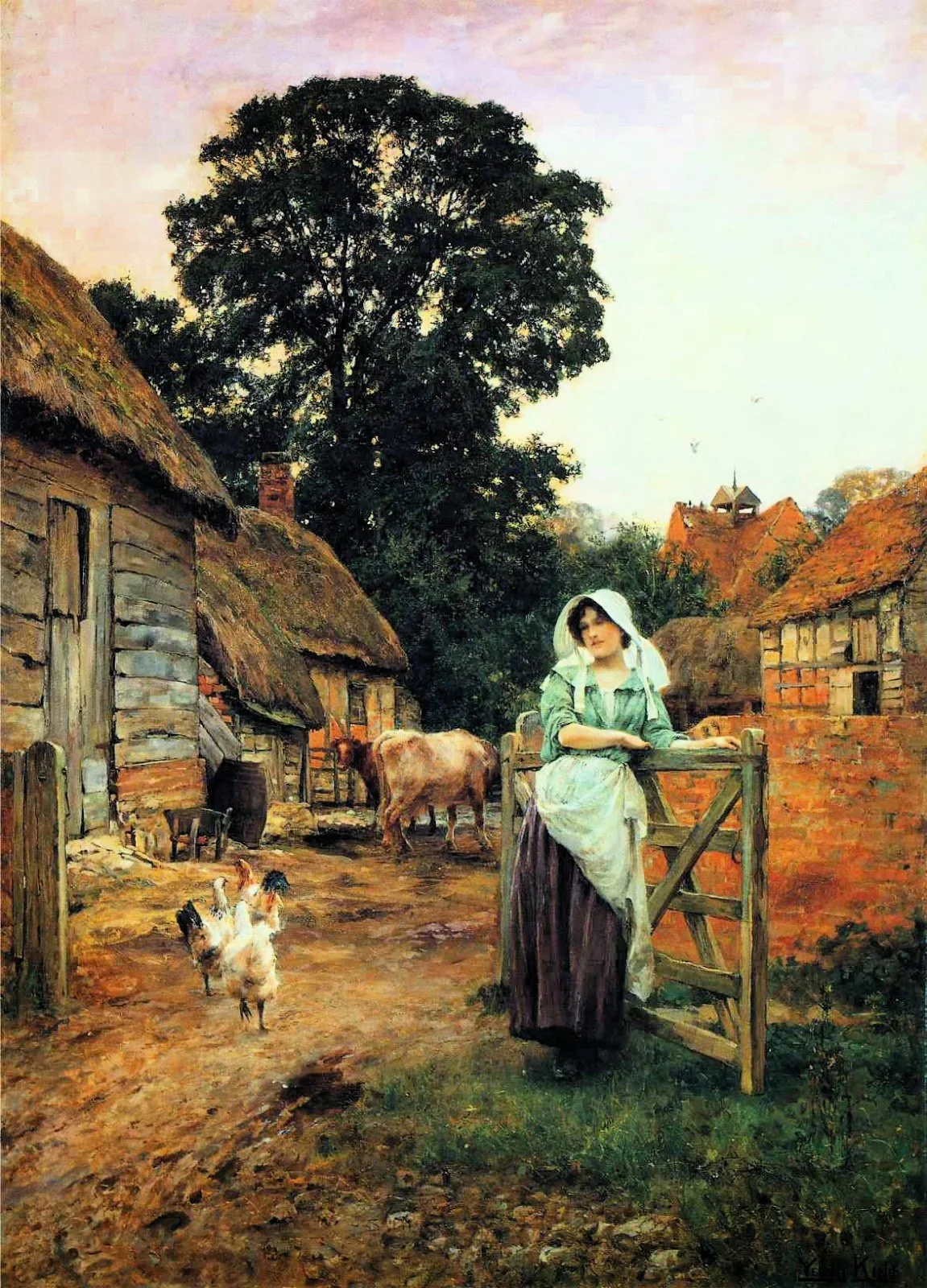
Henry Yeend King, At the Farm Gate

A virtuous young lady, neglected by her uncle, is taken up by an aristocratic cousin and a farmer grandfather.


For Paul, see Novels 025, 136, 198, and 251.

“A good story, and of a kind that demands a hearty welcome. . . .  It is admirably written, in a style that combines ease and carefulness, and it is as refined and elevated as it is clever.”  Spectator, April 13, 1878

“There is much skill in Mrs. Paul’s method of bringing together the different threads of her narrative and keeping her reader’s attention upon a plot which has enough and not too much ramification, while it contains no incident which does not bear upon the progress of the story.” Examiner, May 18, 1878

“This cannot be called a powerful novel, but it is a good one:  thoughtful, well-written, and marked by a reticence, here and there, which speaks volumes for the culture and fine feeling of the author.”  Contemporary Review, September, 1878

Download this fortnight’s novel:

v.1 https://access.bl.uk/item/viewer/ark:/81055/vdc_000000036480#?c=0&m=0&s=0&cv=0&xywh=-1030%2C-115%2C3397%2C2297

v.2 https://access.bl.uk/item/viewer/ark:/81055/vdc_000000059DF6#?c=0&m=0&s=0&cv=0&xywh=-1029%2C-115%2C3389%2C2292

Crossword 285: All the Wrong Places

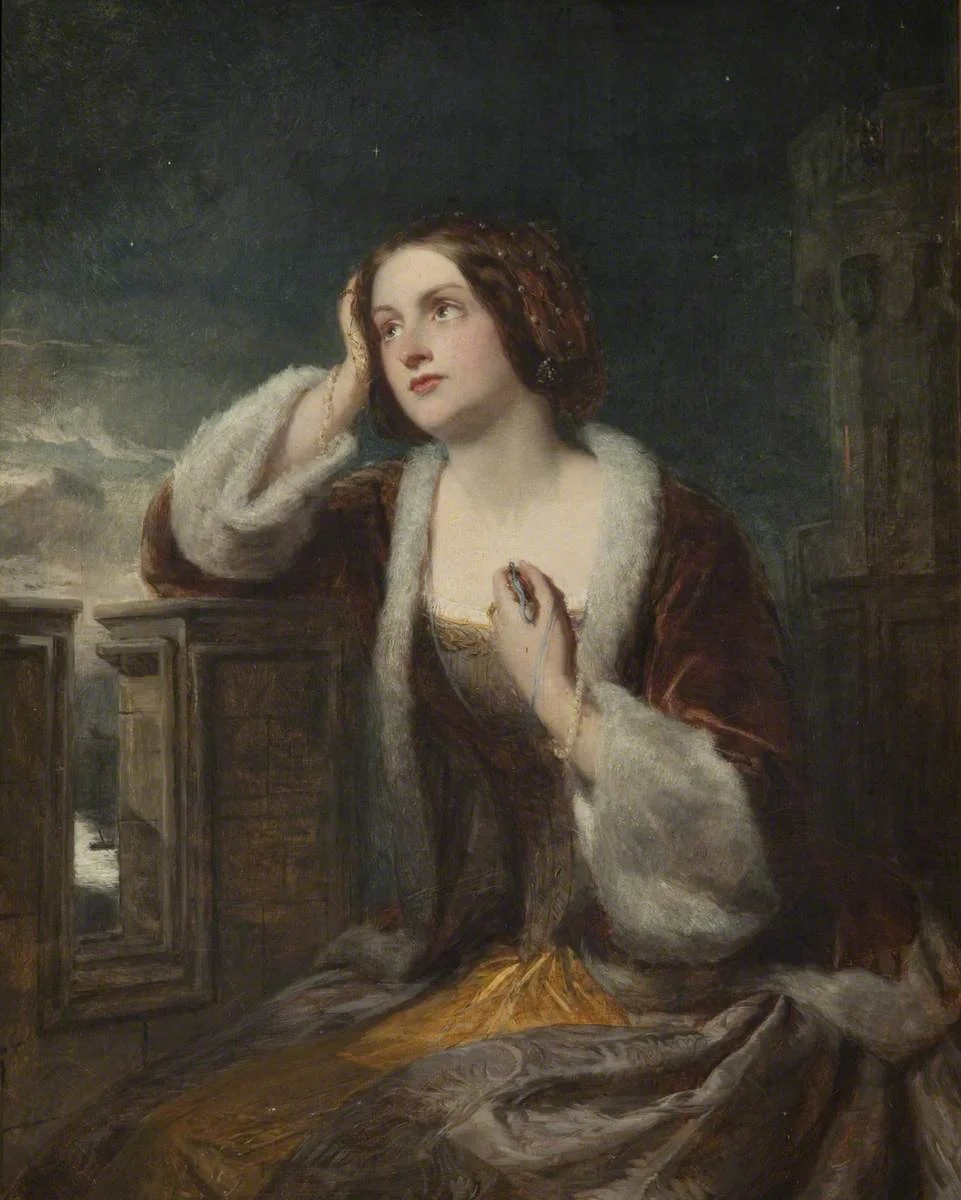
William Powell Frith, Catherine Seyton Looking from the Battlements at Loch Leven Castle

Do you find, disconsolate solver, that when you address yourself hopefully to a new crossword, expecting a little harmless recreation, perhaps some amusing wordplay, you are faced instead, whether you move down or across, with slang you’ve never used, movies you’ve never seen, brands you’ve never bought, songs you’ve never heard?  The problem is that you’ve been looking for crosswords in all the wrong places!  Here is where you belong, where the “wrong places” are really just silly, happy, friendly puns that just want the very best for you and yours.


Download this week’s crossword:

285-All-the-Wrong-Places.puz

285-All-the-Wrong-Places.pdf

Solve this week’s crossword online:

285 All the Wrong Places

Novel 285: Margaret Hunt, The Leaden Casket (1880)

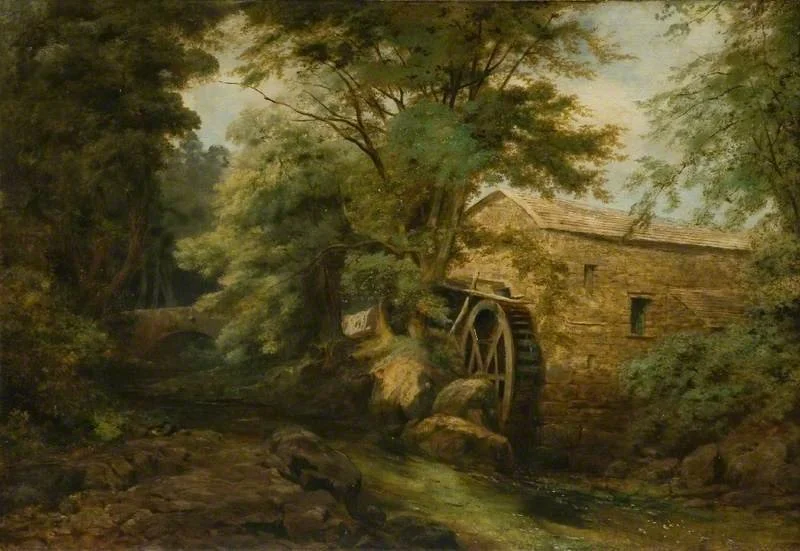
Alfred William Hunt, A North Country Stream

A virtuous young lady loves a landscape painter, her childhood playmate.


For Hunt, see Novel 039; above is a painting by her husband, who was, like the novel’s hero, a landscape painter.

It combines “shrewd observation with an excellent style of simple English.” Athenaeum, December 18, 1880

“In these days of the multiplication of words and darkening of knowledge, the reviewer is generally thankful and grateful for signs of excellence in any one branch of novel-writing—for a well-conceived plot, for clever condensations, for life-like characters.  What must be his feelings, therefore, towards a writer who excels in a high degree in each of these branches, and gives us a book containing characters which become as real to us as Mr. Elton and Mr. Collins have done, and fragments of conversation and description which will for ever be interwoven with the subjects of which they treat.”  Academy, January 8, 1881

A contrasting view:

“The reviewer . . . has found the ‘Casket’ so unusually leaden he can do little more than raise the lid and clap it to again.”  New York Times, March 13, 1881

Download this fortnight’s novel:

v.1 https://archive.org/details/leadencasketnove01hunt

v.2 https://archive.org/details/leadencasketnove02hunt

v.3 https://archive.org/details/leadencasketnove03hunt

Crossword 284: Meal Preparation

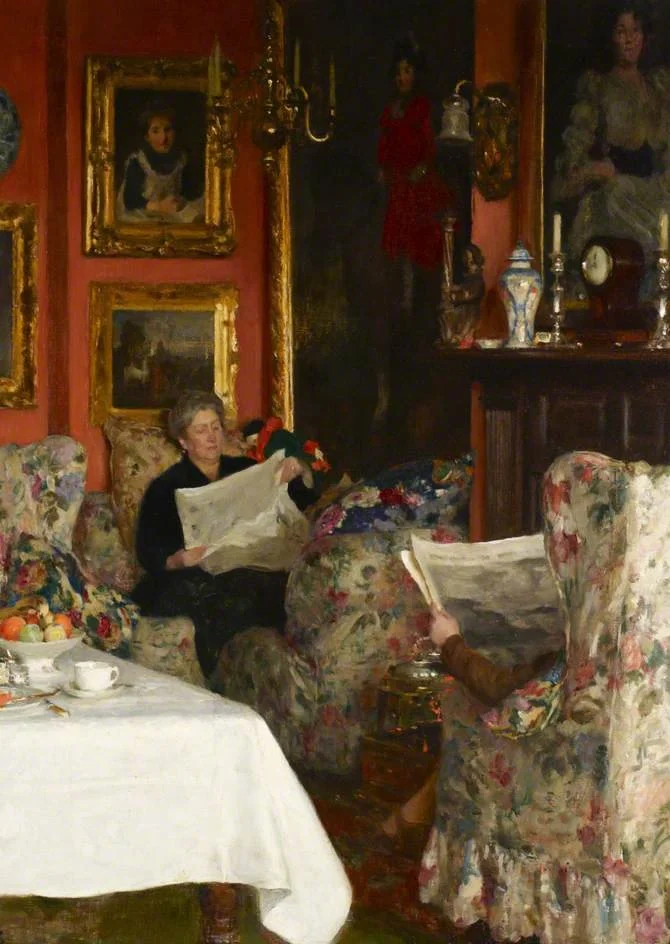
Solomon Joseph Solomon, The Breakfast Table

Meal preparation!  Here at David Alfred Bywaters’s Crossword Cavalcade and Fortnightly Victorian Novel Recommender, not only do we dress for dinner in correct evening attire, we also take care at every meal to provide ourselves only with nutritionally balanced dishes hand-crafted from organic ingredients gathered laboriously from our own fields.  All this takes so much time that we barely have any left in which to chew and swallow the stuff, much less to read novels and make crosswords.  So in this fortnight’s puzzle we’re combining our labors.


Download this fortnight’s crossword:

284-Meal-Preparation.puz

284-Meal-Preparation.pdf

Solve this fortnight’s crossword online:

284 Meal Preparation

Novel 284: C.H.D. Stocker, Between the Acts (1884)

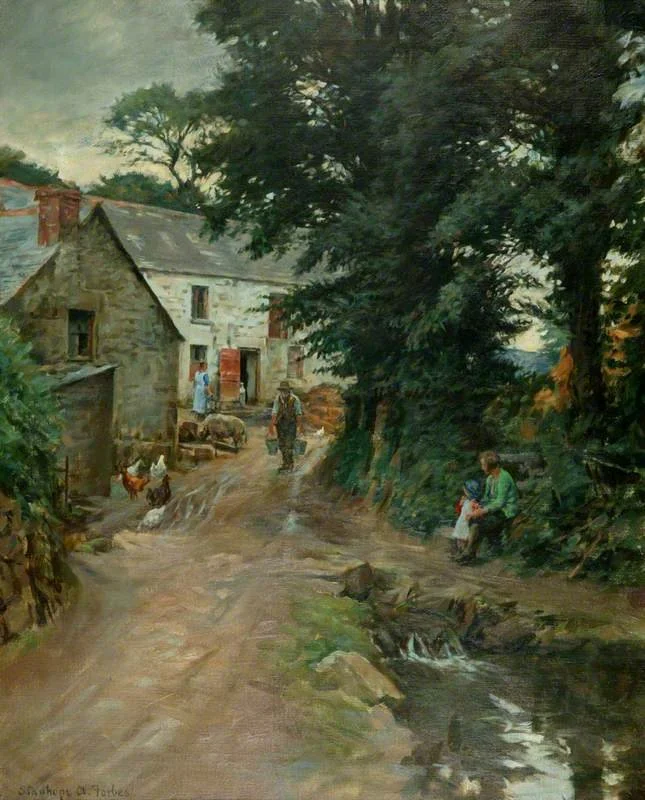
Stanhope Alexander Forbes, Farmyard

An artist’s wife and eleven children try to make ends meet in a country cottage.


I can discover nothing about C.H.D. Stocker; this is her only novel (I choose a feminine pronoun only because the protagonist is a woman).  And that is a pity, for her witty, incisive style and scenes of comic household disorder are just brilliant.

“Miss Stocker’s novel is very good indeed.” The plot is “by no means original. . . .  But the really good work which makes itself conspicuous and delightful throughout Miss Stocker’s three volumes is the lifelike portraiture. . . .  English children of the ‘happy family’ order have rarely been drawn with more geniality and truth.” Athenaeum, December 6, 1884

“A capital piece of work. . .  There are some happy descriptions both of the country and of London . . . and Miss Stocker’s style is spontaneous and unusually correct. . . .  On the whole . . . Miss Stocker has used an old situation . . . with effect.”  Academy, December 13, 1884

“This novel, utterly without pretension, and belonging for the most part to the domestic order of fiction, is bright and amusing . . . , really pleasant reading.”  Morning Post, December 28, 1884

Stocker “can imagine striking situations and use them with a certain dexterity.  But, above all, he has a very genuine sense of humour.”  Saturday Review, February 7, 1885

Download this fortnight’s novel:

v.1 https://archive.org/details/betweenactsnovel01stoc

v.2 https://archive.org/details/betweenactsnovel02stoc

v.3 https://archive.org/details/betweenactsnovel03stoc

Crossword 283: All Will Be Well

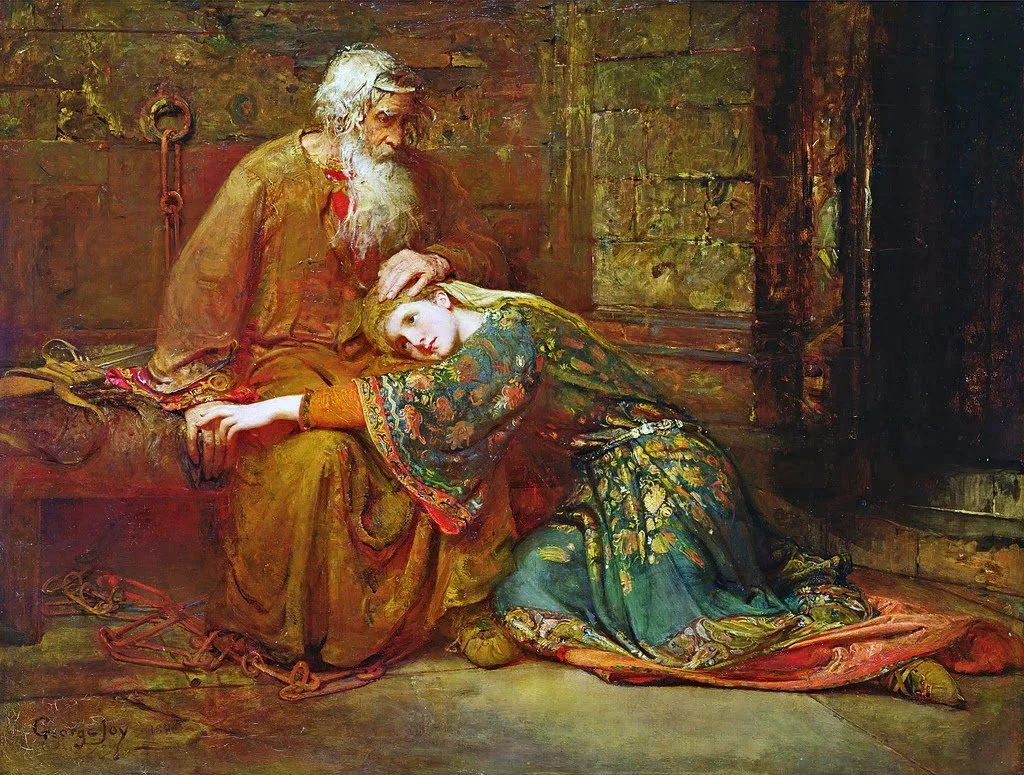
George William Joy, Cordelia Comforting her Father, King Lear, in Prison

Are you worried, anxious solver?  Are you afraid that you won’t get there on time, that you won’t be welcome even if you do get there on time, that you won’t enjoy yourself even if you are welcome, that you won’t get back home safely even if you do enjoy yourself?  Well, worry no more!  This puzzle is here to show you that all will be well.


Download this fortnight’s crossword:

283-All-Will-Be-Well.puz

283-All-Will-Be-Well.pdf

Solve this fortnight’s crossword online:

283 All Will Be Well

Novel 283: Frederick Wedmore, Two Girls (1873)

Martin Archer Shee, Young Actress

A young English gentleman gets involved with both an English lady and a French actress.


“Mr. Wedmore’s is a carefully written novel of character, . . . a little cramped and subdued by the quietism of modern taste.” Athenaeum, December 20, 1873

“His human figures are almost without exception individualised; we know and see them. . . .  The story is told with perfect clearness, and with the rapidity and compression of what is very rare,—thoroughly skilful narrative." Spectator, January 10, 1874

“The attraction of Two Girls is to be found in a certain freshness of subject and manner. . . .  His strength lies in the representation of character and dramatic little scenes, quiet but brightly coloured.”  Academy, January 17, 1874

Download this fortnight’s novel:

v.1 https://access.bl.uk/item/viewer/ark:/81055/vdc_00000004EC36#?c=0&m=0&s=0&cv=4&xywh=-393%2C0%2C3334%2C1960

v.2 https://access.bl.uk/item/viewer/ark:/81055/vdc_00000004EC3C#?c=0&m=0&s=0&cv=0&xywh=-1347%2C-121%2C4115%2C2419

Crossword 282: Oh, Why Bother?

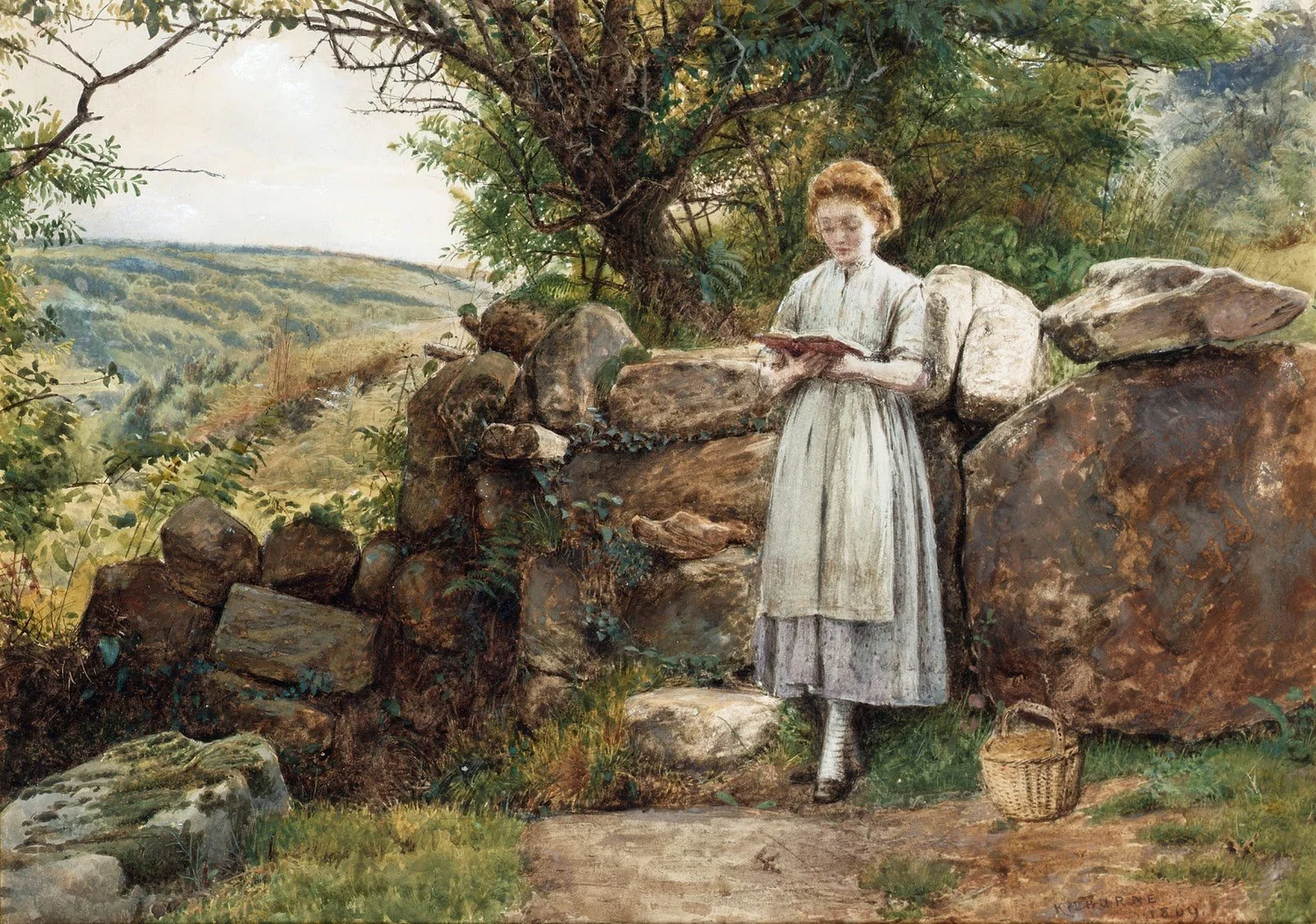
George Goodwin Kilburne, A Peaceful Read

Why indeed?  Once we’ve met our basic needs, why bother to do anything?  Because the illusion of purpose, however ill-founded, is necessary to human contentment, that’s why.  We want to feel like we’re achieving  something.  We want to feel good about ourselves.  And if we don’t satisfy the impulse with something harmless, like the construction and solving of crosswords, we might be tempted to go around breaking things and hurting people.  If Genghis Khan, or Attila the Hun, had only had access to crosswords, what untold human suffering would the world have been spared!


Download this fortnight’s crossword:

282-Oh,-Why-Bother?.puz

282-Oh,-Why-Bother?.pdf

Solve this fortnight’s crossword online:

282 Oh, Why Bother?

Novel 282: E.S. Maine, Scarscliff Rocks (1875)

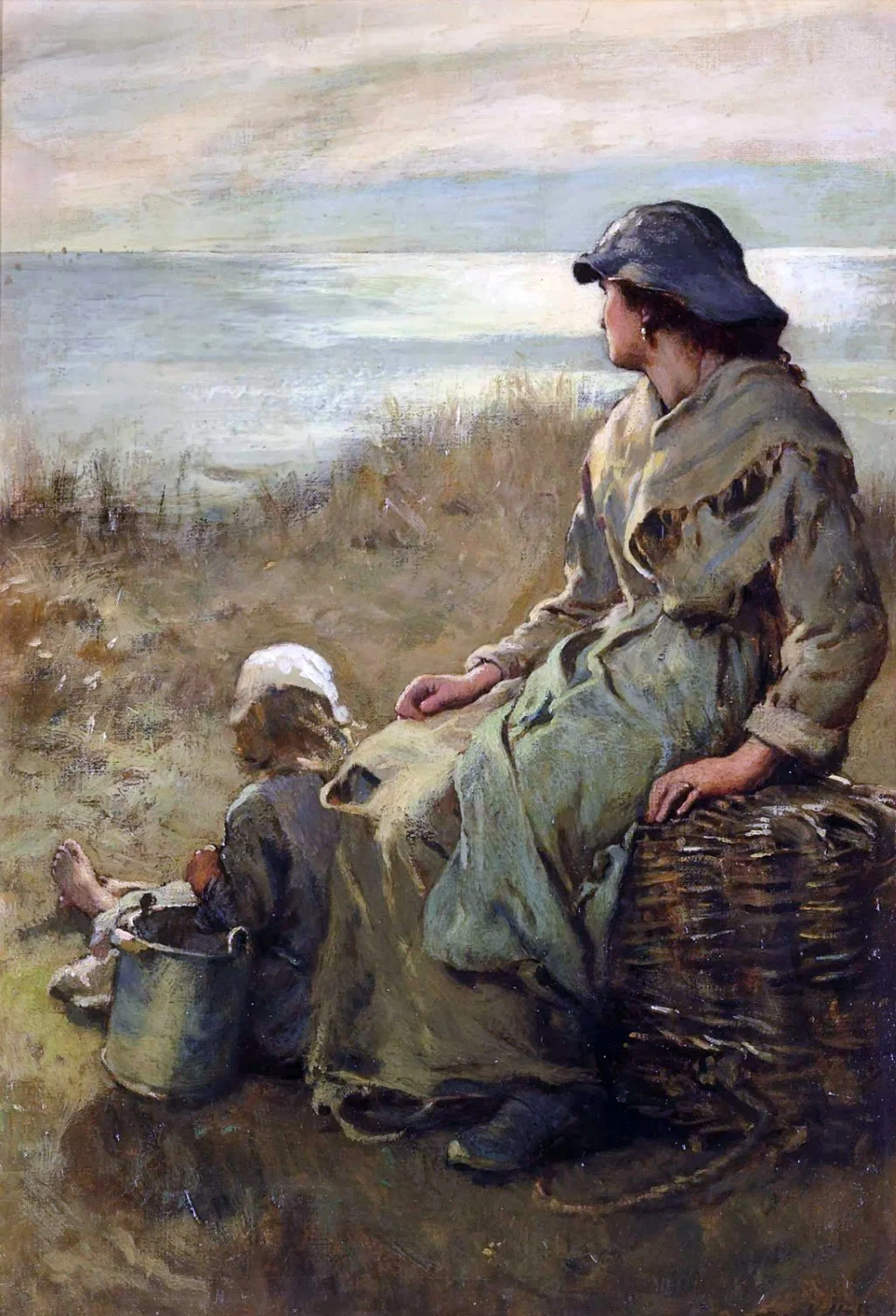
Frank Holl, Waiting the Return of the Boats, Cullercoats, Northumberland

A woman flees empty social triumphs to live in an isolated town with her clergyman father and there meets a mysterious man.


For E.S. Maine, see Novel 141

“Scarscliff Rocks is a story of considerable merit. . . .  The most salient merit of the book is in the carefully studied contrast of the two chief female characters, which are both well conceived and elaborated. . . . The plot . . . has been skilfully handled, and not overwrought, as it might readily have been.” Academy, June 26, 1875

“It has the old air of story-telling about it, and not that of ‘studies’ of this, that, and the other. . .  The author has successfully depicted commonplace characters without making them bores.”  Spectator, August 21, 1875

A contrasting view:

“What all such tales as ‘Scarscliff Rocks’ want, and there are generally at least a dozen of them every quarter, is dramatic power.  We have sensational instead of dramatic scenes.  The characters are generally fairly drawn, but are often dull when they are not sensational.” Westminster Review, October, 1875

Download this week’s novel:

https://solo.bodleian.ox.ac.uk/permalink/f/89vilt/oxfaleph014280404 (Right-click (or control-click, if you have a Mac) on the “view digitized copy” links to download the novel’s three volumes in pdf form)
Crossword 281: Bending Down

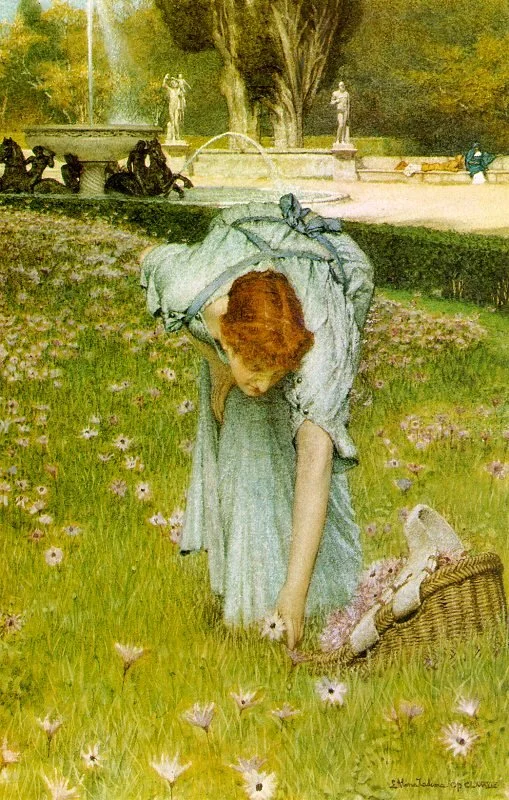
Sir Lawrence Alma-Tadema, Spring, Villa Borghese

Were you ever told, perhaps in a “physical education” class years ago, to bend down and touch your toes?  I was, and I still  resent it:  I found the operation not only painful but undignified; and it just didn’t seem worth doing—there are obviously much better ways of accessing one’s toes, if that’s what one wants to do.

Anyway, if you want for some reason to perform a “bending down” exercise but lack the strength, or the agility, or the will to do it with your body, this puzzle lets you do it, like a rational creature, with your mind.


Download this week’s crossword:

281-Bending-Down.puz

281-Bending-Down.pdf

Solve this week’s crossword online:

281 Bending Down

Novel 281: F. Anstey, Vice Versâ (1882)

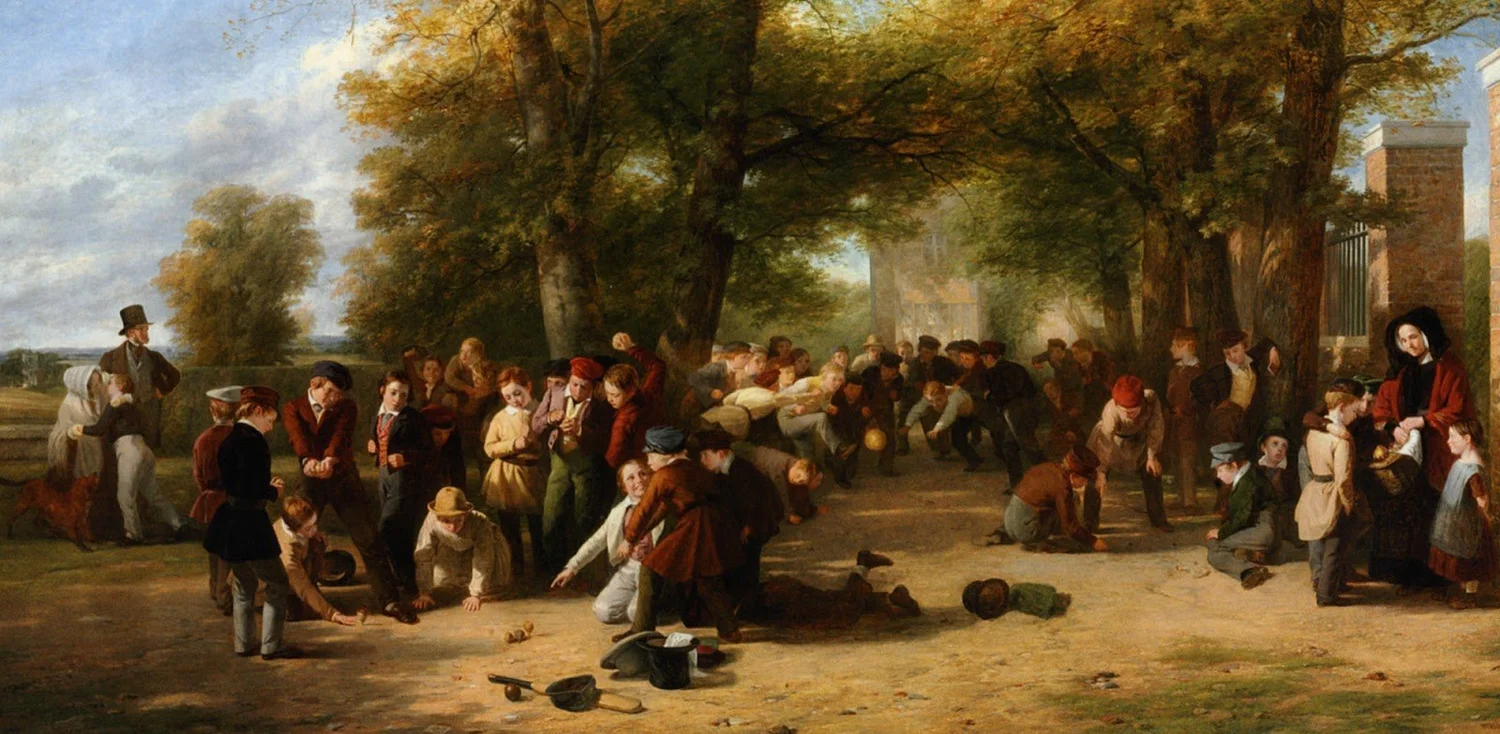
Thomas Webster, A School Playground

A staid middle-aged merchant is made by a magic stone to exchange bodies with his schoolboy son.


F. Anstey, born Thomas Anstey Guthrie (1856-1934), wrote regularly for the humor magazine Punch, and twenty works of fiction, most based, like this one, on fanciful comic premises.

“A perfectly sober and serious book, in the reading of which a sober man may laugh without shame from beginning to end.”  Saturday Review, July 15, 1882

“It is a long time since we have read anything more truly humorous.”  Spectator, August 26, 1882

“A capital bit of sustained humor.”  New York Times, October 29, 1882

Download this week’s novel:

https://archive.org/details/viceversaorlesso00anst

Crossword 280: Haunted by the Past

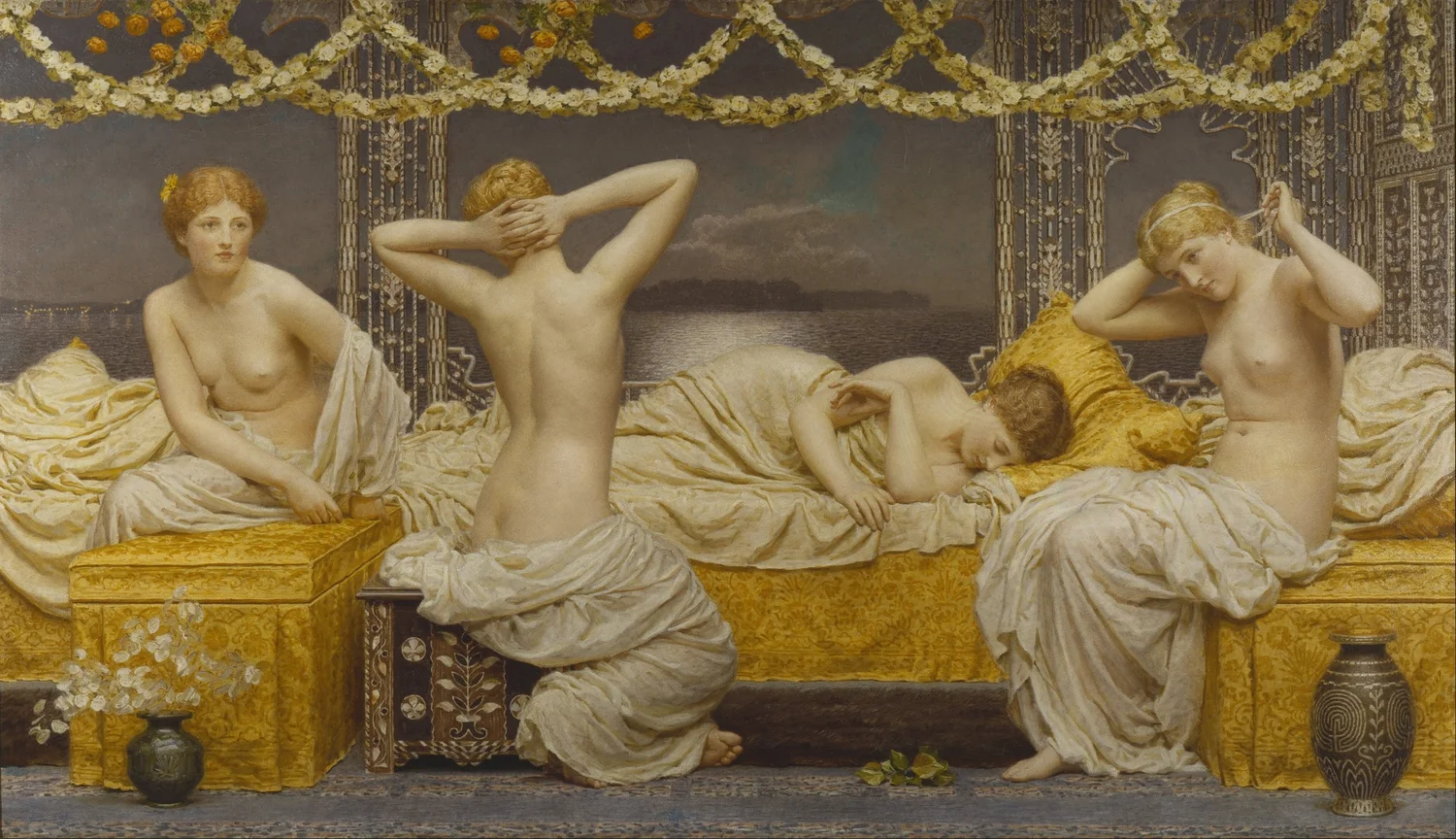
Albert Joseph Moore, A Summer Night

Five answers in today’s crossword are haunted by the past in one sense; I, as its constructor, am haunted by the past in another.  For this puzzle is, in a way, a revisiting of Crossword 48, from 2018, against which it may be said to reverberate across the dimension of time.  When you finish it, you will want to solve Crossword 48 again so as to admire the interplay between them.  Like two black smudgy squares in two Rothko paintings, they might at first seem more or less identical; however, closer study will reveal in them, as in those paintings, subtle variations of shading and nuance that reflect, in ways that transcend paraphrase, the full range of the human experience, in all its tragedy and triumph.


Download this fortnight’s crossword:

280-Haunted-by-the-Past.puz

280-Haunted-by-the-Past.pdf

Solve this fortnight’s crossword online:

280 Haunted by the Past

Novel 280: Mary Elizabeth Braddon, To the Bitter End (1872)

John Callcott Horsley, The Pride of the Village

A rising barrister, on a country vacation, falls in love with a farmer’s daughter.


For Braddon, see Novels 004, 061, 115, 170, 222, and 223.

“It is carefully written, and even rewritten, and yet is full of all the old rough vigour and dash, the keen sense of the many pleasures and enjoyments of life, the love of green fields and blue skies, and pleasant gardens, and the quick impatience of all that is hollow and conventional.”  Athenaeum, September 21, 1872

“Its plot, not ill-conceived, is well worked out, and told with appropriate humour and appropriate pathos.  Several of the characters are clearly defined, and . . . there is originality and fresh vigour in its presentment.” Examiner, October 12, 1872

A contrasting view:

Braddon’s “admirers will probably run through the work with a certain vacant satisfaction, while ever and anon, like dim reminiscences of a previous stage of existence, will dawn on their misty consciousness a vague idea that they have seen all this before.”  Manchester Guardian, September 25, 1872

Download this fortnight’s novel:

https://solo.bodleian.ox.ac.uk/permalink/f/89vilt/oxfaleph014626003 (Right-click (or control-click, if you have a Mac) on the “view digitized copy” links to download the novel’s three volumes in pdf form)
Crossword 279: Language Acquisition

Helen Allingham, Lessons

As I’ve said before, like all the best crossword constructors these days, I see my task as primarily one of social reform and human betterment.  And so, more than two years ago, in April 2020, I turned my attention to international affairs, with the purpose of promoting world peace (see Crossword 180).  But then I let the better part of a year go by without any further world-peace-promotion efforts, and in February 2022, Russia invaded Ukraine.  I ask myself now—why didn’t I do more?  Am I not partly to blame?  So today I’m doubling down with a two-part crossword (replacing the multi-part series of years past) promoting the cause of international communication.  I just hope I’m not too late!


Download this fortnight’s crosswords:

279a-Language-Acquisition, Part 1.puz

279a-Language-Acquisition, Part 1.pdf

279a-Language-Acquisition, Part 2.puz

279a-Language-Acquisition, Part 2.pdf

Solve this fortnight’s crosswords online:

279b Language Acquisition, Part 1

279b Language Acquisition, Part 2

Novel 279: Lucy B. Walford, The One Good Guest (1892)

John Collier, The Garden Party

A young sister and brother encounter social difficulties on their country estate.


Here is yet another novel by Walford, for whom see Novels 018, 066, 121, 174, and 227.

“The tale is told with the spirit that always characterizes Mrs. Walford’s stories.” Critic, July 16, 1892

“A thoroughly interesting story, a trifle sensational, well written, full of life and movement.”  Independent, September 8, 1892

A contrasting opinion:

It “is not markedly original, amusing, or attractive to our thinking.  The young folks and their doings do not greatly interest one, though there is some freshness about them, and, in their fashion, they are natural and human enough. . . .   The story is slight, the treatment slighter, but it will pass.” Athenaeum, September 24, 1892

Download this fortnight’s novel:

https://archive.org/details/onegoodguest00walfgoog

Crossword 278: In Outer Space

Evelyn De Morgan, Earthbound

Two weeks ago, you’ll recall, I headed off for my native planet, from which, some years ago, I was sent in an effort to save the terrestrial crossword from becoming a dreary echo-chamber of self-congratulatory hipster citation, tribal signaling, and celebrity fandom.  My mission was to lead by example away from such folly.  I did my best, but I’m afraid I’ve failed.  Someday maybe I’ll go back and try again.  Meanwhile, here, via the interstellar internet, is another puzzle.


Download this fortnight’s crossword:

278-In-Outer-Space.puz

278-In-Outer-Space.pdf

Solve this fortnight’s crossword online:

278 In Outer Space