David Alfred Bywaters's Crossword Cavalcade & Fortnightly Victorian Novel Recommender. Every Saturday! Either a new language-torturing puzzle or an old novel by an unjustly neglected Victorian author. Why waste time on other amusements?

Crossword 236: Cross Out
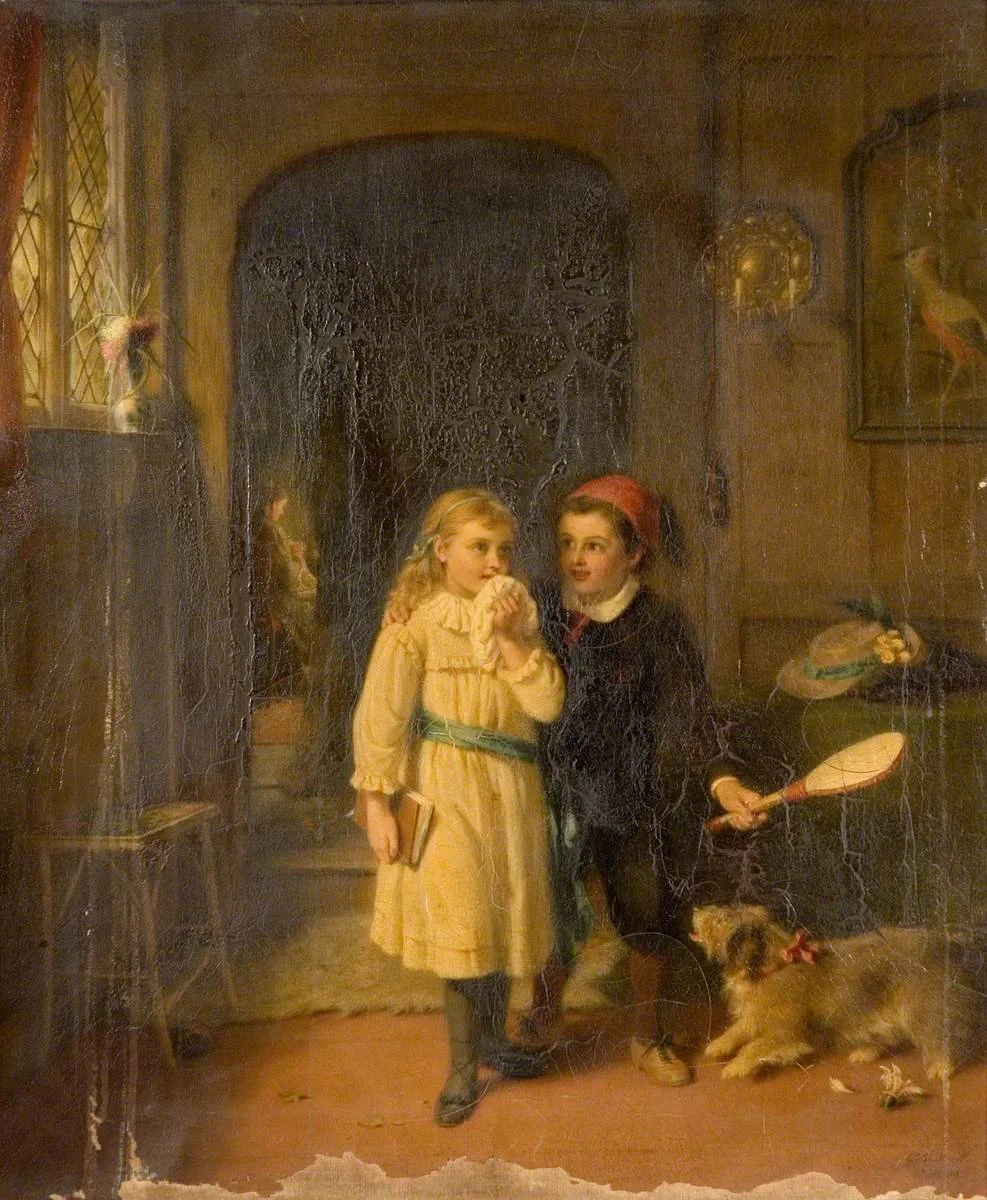
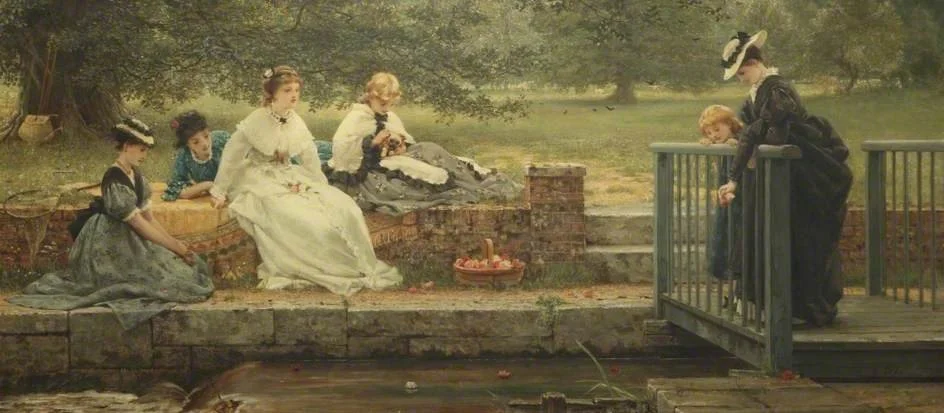
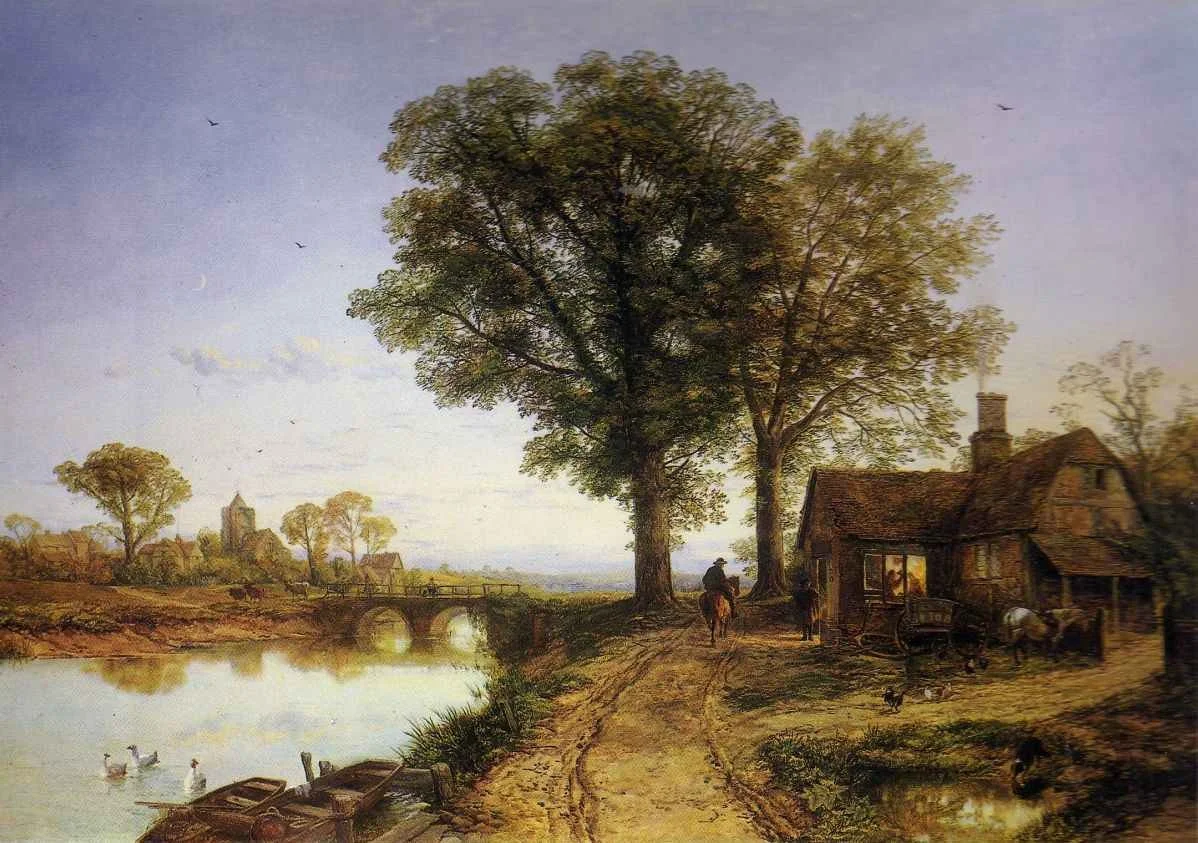
Edmund George Warren, Crossing the Brook

I’ve mentioned before my ambition of taking my art form to a new level heretofore undreamed of, one from which I and my disciples can look down on our rivals and predecessors with scorn—as abstract painters long ago learned to do at representational ones, or atonal at tonal composers.  I think I’ve hit at last on a promising idea—crosswords in which the words don’t cross.  Such post-crosswords will allow me to break through the limits by which other constructors are sadly constrained, forced as they are to think up words that share letters with other words at certain crucial points, and to free myself to achieve—what exactly?  I haven’t quite decided, but certainly something incomprehensible to those hidebound traditionalists who continue to think that crossing words is the whole point of crosswords.  If you are yourself such a traditionalist, I pity you; meanwhile, however, here is what may be one of my last works you’ll understand, though its title hints at the coming transition.


Download this week’s crossword:

236-Cross-Out.puz

236-Cross-Out.pdf

Solve this week’s crossword online:
236 Cross Out

Novel 236: Hamilton Aïdé, Confidences (1859)

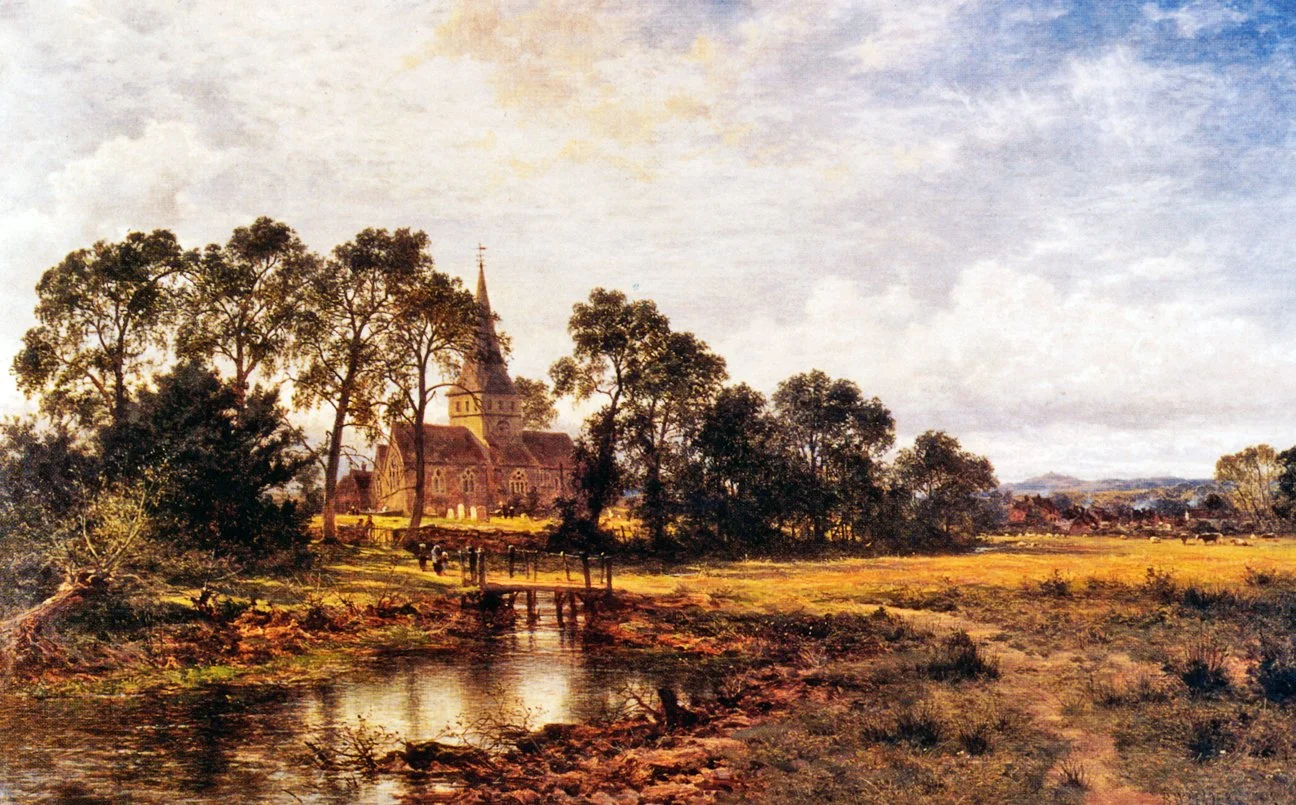
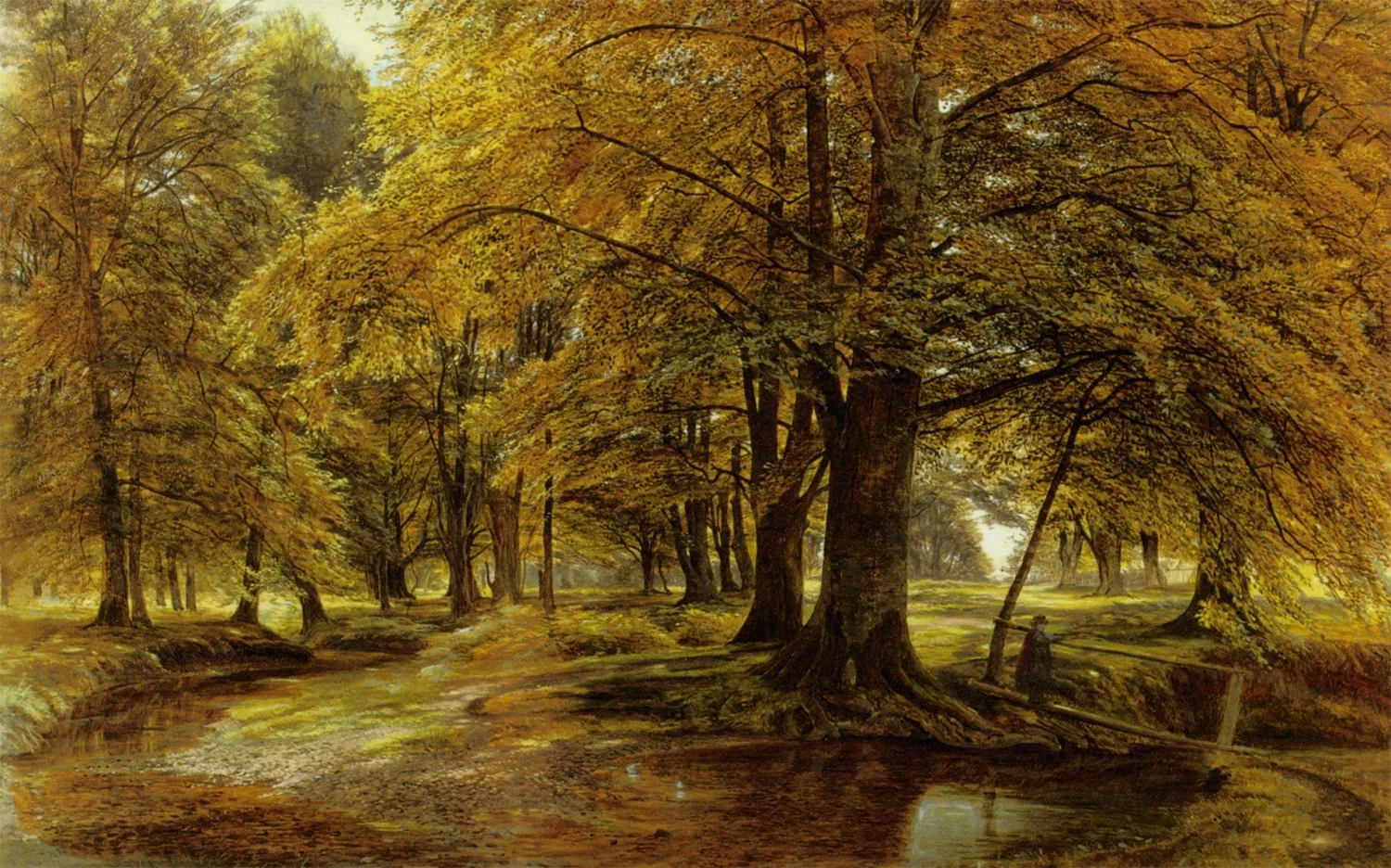
Benjamin Leader, Shere Church

A young curate gains the trust of various of his parishioners.


For Aïdé, see Novels 076 and 176.

“The book is decidedly both good and interesting.  The drawing-room conversation and small-talk of a country town are well given, as far as the dialogue is concerned; while the incidents are natural and the characters well sustained.  There are touches of pathos here and there, which we must rank with a higher style of composition than that usually attained in works of this class.”  New Quarterly Review, April, 1859

“The best idea we can give the reader of the work before us, is to suppose the celebrated philosopher in Goldsmith's Citizen of the World transformed into” its narrator.  “As he is a man of vast sympathies, very enlightened views, and a great love for his kind, and having withal peculiar facilities from his position for studying character, it may be imagined that his letters are pregnant with philosophical reflections on modern society. . . .  ‘Confidences’ is written in the most pleasing manner of any novel we have read for years past.” Leader and Saturday Analyst, June 11, 1859

A contrasting view:

“These ‘Confidences’ are of the mildest interest.  If we were ill-natured, we should call them insipid.   The style is pleasant and well bred, but the matter in hand has neither bone nor muscle.  The story, if story it may be called, is rambling gossip about a small parish. . . .  There is no precision of touch in either the dialogue or description, whether of people or their belongings.  There is a rather pleasant flavour in its gentle dullness, but the ‘Confidences’ were not worth making.” Athenaeum, July 9, 1859

Download this week’s novel:

https://archive.org/details/confidences00aide

Crossword 235: Ten-Four

George Bernard O'Neill, “Cheer up!”

I’ve already posted a puzzle entitled “Yes” (Crossword 213); here’s another that celebrates this best of all possible worlds with a hearty cry of joyous affirmation, this time in radio jargon.  Next, “You Betcha!”—a puzzle in which “you” is replaced by “tcha.”  So far I’ve got LAT CHAT  (“Shop-talk between physical trainers”); I’m sure three or four more will occur to me eventually.

(Clues to 25 Across and 50 Across were provided by test-solver Kevin Walker, whose clue-writing genius I’ve drawn on more than once already.)


Download this week’s crossword:

235-Ten-Four.puz

235-Ten-Four.pdf

Solve this week’s crossword online:
235 Ten-Four

Novel 235: Catherine Gore, The Heir of Selwood (1838)

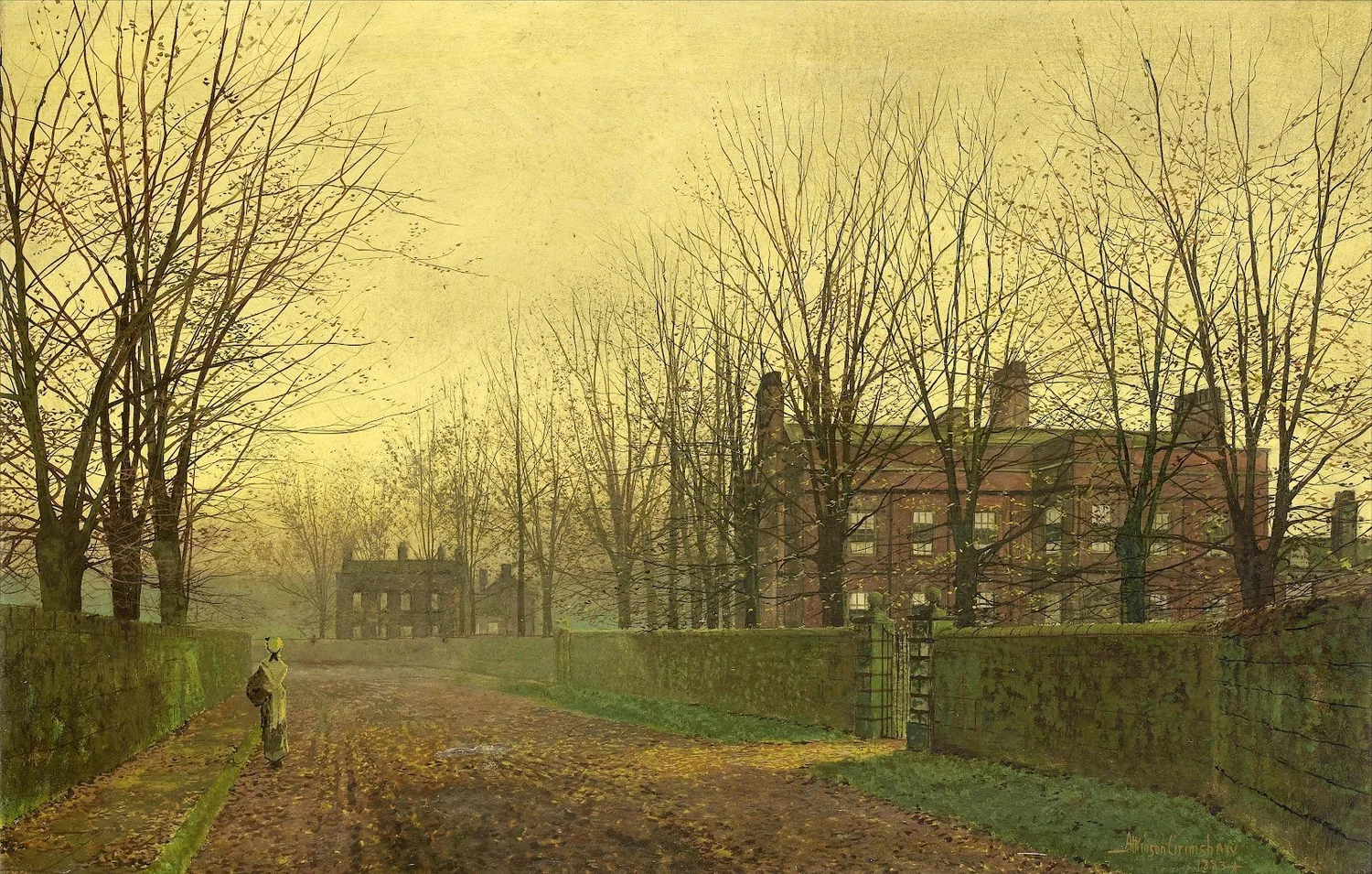
John Atkinson Grimshaw, Autumn Afterglow

A childless baronet with an entailed estate, living unhappily with his wife, decides to adopt a child.


For Gore see Novels 012, 072, 118, 172.  The characterization here is excellent throughout, even if the plot, towards the end, grows a little over-fanciful.

“Mrs. Gore has added another charming work to her delightful list; a work no less conspicuous than its predecessors for the interest and naturalness of its plot, the ease and simplicity of its development, the flesh and blood and bone of its characters, the pointed, happy satire, the good humour, and the pathos and passion of its language.” It is “a work that from the first page to the last has scarcely a barren page—scarcely a leaf in which some trait of character—some powerful yet natural incident, some witty yet good-tempered observation on life, its men or its puppets—does not promise to secure it from the fate which, season after season, awaits tens of thousands of leaves denominated fashionable novels.”  Examiner, October 14, 1838

“Like all Mrs. Gore’s novels, The Heir of Selwood displays an intimate observation and no slight acquainance with the human heart.  The story . . . is replete with interest; and the effects upon the principal actors at different periods of their lives, when young, middle-aged, and elderly, are very naturally as well as very forcibly painted.” Literary Gazette, October 29, 1838

A (somewhat) contrasting view:

It is “excellent in the complication of its story” but “sadly deficient in the solution of the same.”  Athenaeum, October 27, 1838

Download this week’s novel:

v.1 https://archive.org/details/heirofselwoodort01gore

v.2 https://archive.org/details/heirofselwoodort02gore

v.3 https://archive.org/details/heirofselwoodort03gore

Crossword 234: Four Aces

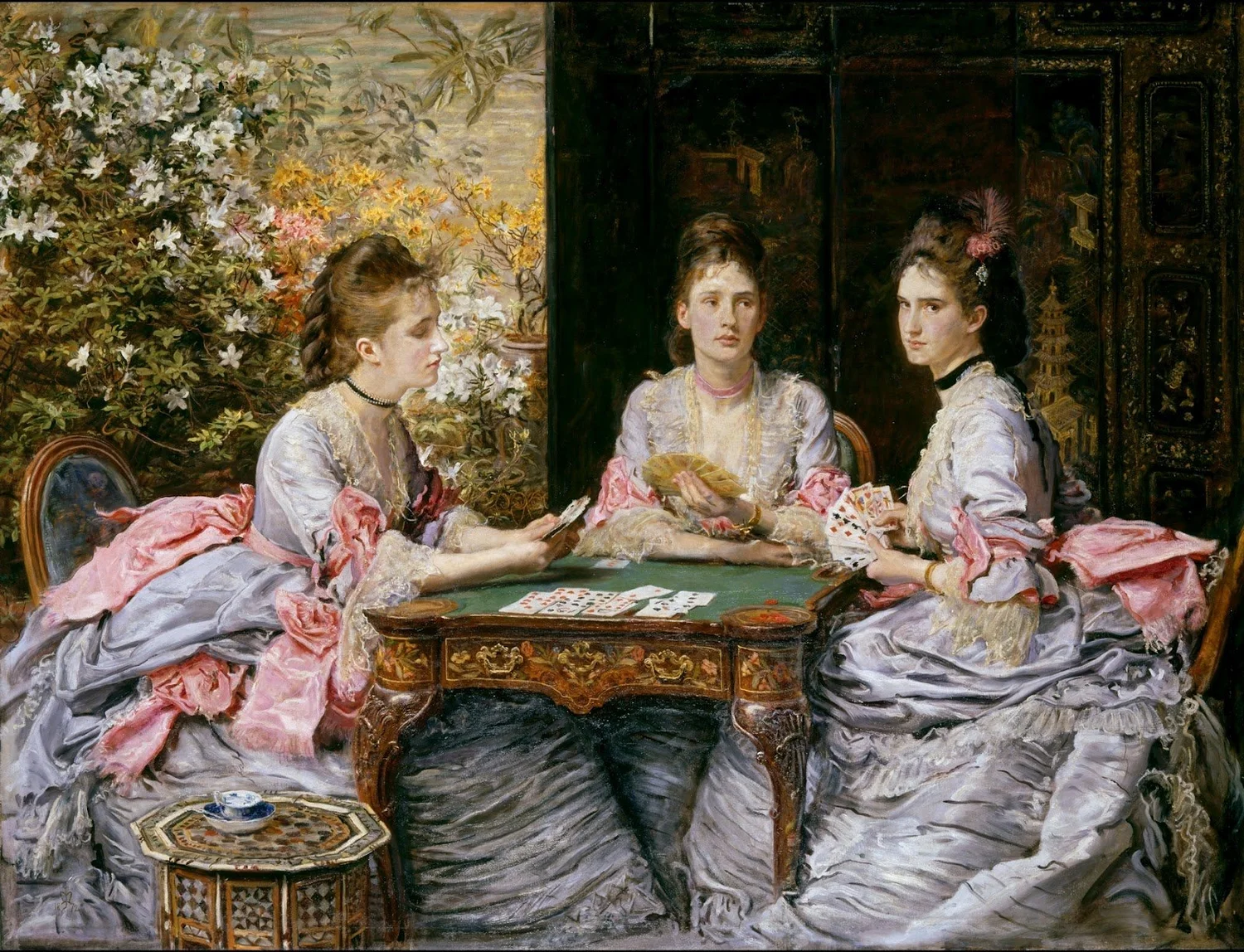
John Everett Millais, Hearts are Trumps

Are you one of those good-natured solvers who claims to be “glad to learn about” some proper name or obscure fact that made some crossword difficult or impossible for you to complete?  As a solver myself, I don’t share this gladness: I am never glad to learn, for example, that the actor who portrayed a character I’ve never heard of on a TV show I’ve never wanted to watch has such-and-such a first name.  But as a constructor, I am, like all constructors, in debt to such solvers: and whenever I’m attacked for obscure crossword fill, I’m happy to claim that I’m just telling people things that they are, or should be, “glad to learn about.”

If you’re one of these easily gladdened solvers, I apologize for what may seem a certain lack of educational fill in this puzzle.  There’s a writer at 67 Across and a Spanish word at 46 Across, but both are pretty well known.  I’ll make up for this lack, however, right now, by telling you four things about “aces” I just learned myself from the internet.

1. The University of Illinois calls its College of Agricultural, Consumer & Enviornmental Sciences “ACES.”

2. A military airplane pilot qualifies as an “ace” only after destroying at least five enemy airplanes.

3. Some psychologists refer to adverse childhood experiences as “ACEs.”

4. Ace Hardware was founded in Chicago in 1924 by Richard Hesse, E. Gunnard Lindquist, Frank Burke, Oscar Fisher, and William Stauber.

Are you glad to have learned about these things?  Well, I confess that I am not—but I am glad that there are people in the world who are.


Download this week’s crossword:

234-Four-Aces.puz

234-Four-Aces.pdf

Solve this week’s crossword online:
234 Four Aces

Novel 234: Sabine Baring-Gould, Through Flood and Flame (1868)

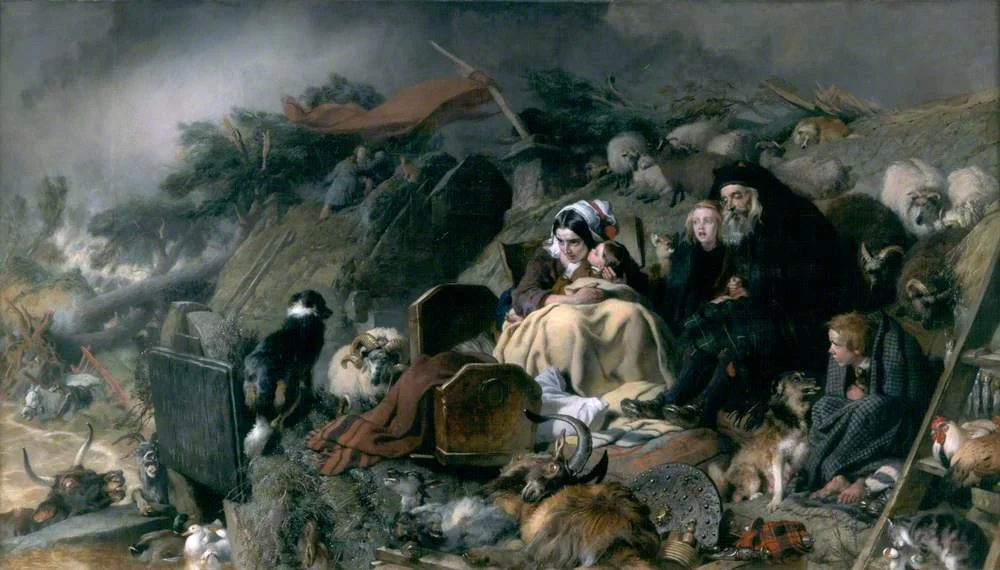
Edwin Henry Landseer, Flood in the Highlands

A factory-owner’s nephew falls in love with a working girl.


Sabine Baring-Gould (1834-1924) wrote some fifty works of fiction and nearly a hundred other works in various genres, including the hymn “Onward, Christian Soldiers.” This novel consistently entertains despite its sometimes contrived damsel-in-distress plot.

“A domestic novel of some merit. . . .  The narrative, simple as it is, is worked out so well, and with so true an adherence generally to nature, that . . . the author deserves considerable credit”; he has also “a fund of shrewd sense.”  Athenaeum, June 27, 1868

“A highly original and vigorous novel, although the promise of the first volume is not quite sustained.”  Spectator, September 12, 1868

A contrasting view:

“In incident and plot it is most deficient, and in style it is decidedly vulgar.  It possesses no redeeming point.”  Examiner, September 12, 1868

Download this week’s novel:

v.1 https://archive.org/details/13648816.55012.emory.edu

v.2 https://archive.org/details/13648816.25309.emory.edu

v.2 https://archive.org/details/13648816.5667.emory.edu

Crossword 233: Oases

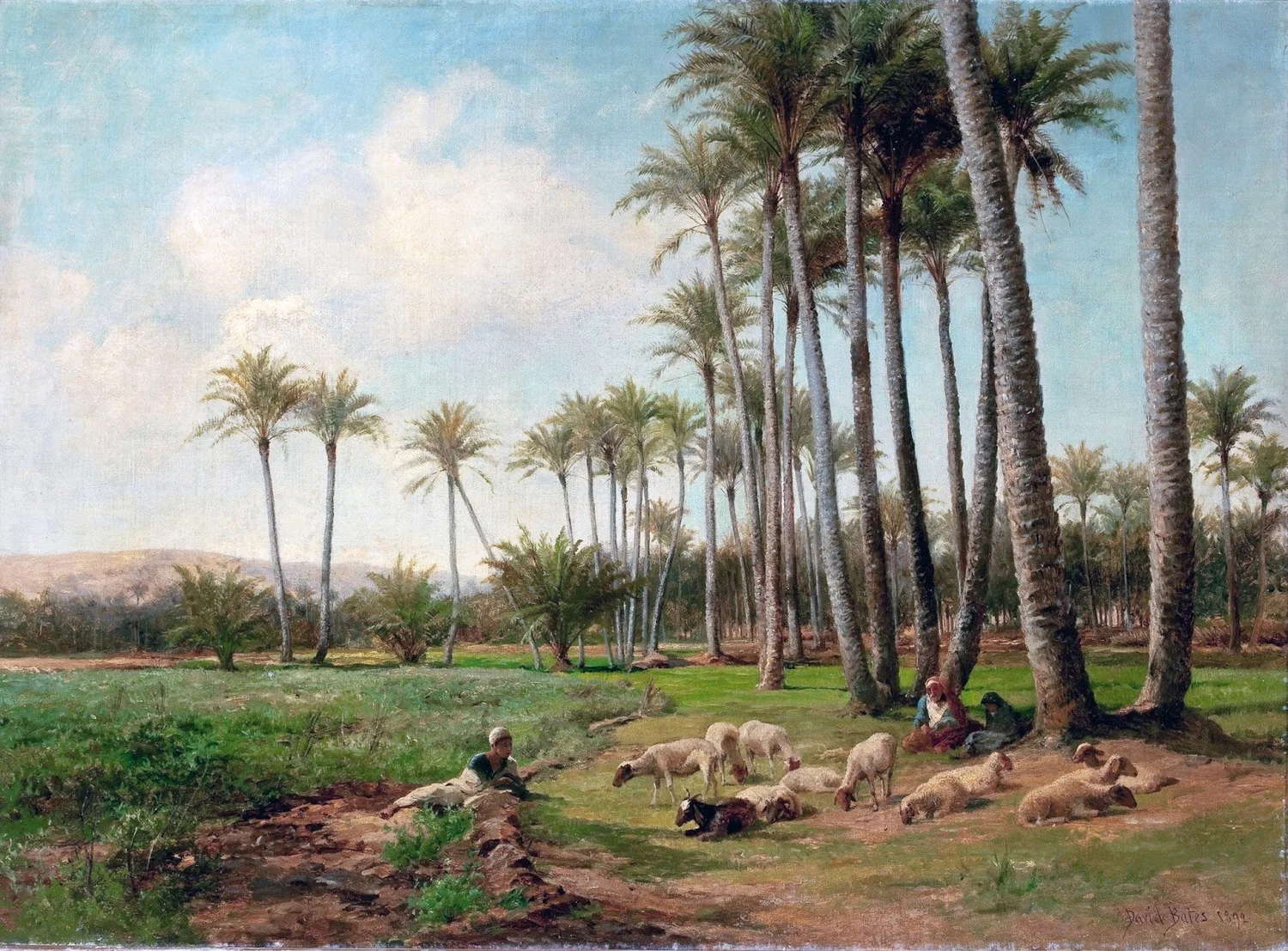
David Bates, An Oasis in the Desert

As we trudge down life’s weary way, our point of origin forgotten, our destination unknown, the sun beating down on us, sand in our eyes, sores on our feet, oppressed alternately by boredom and by dread—isn’t it nice to have a new crossword every week?


Download this week’s crossword:

233-Oases.puz

233-Oases.pdf

Solve this week’s crossword online:
233 Oases

Novel 233: Anna K. Green, The Leavenworth Case (1878)

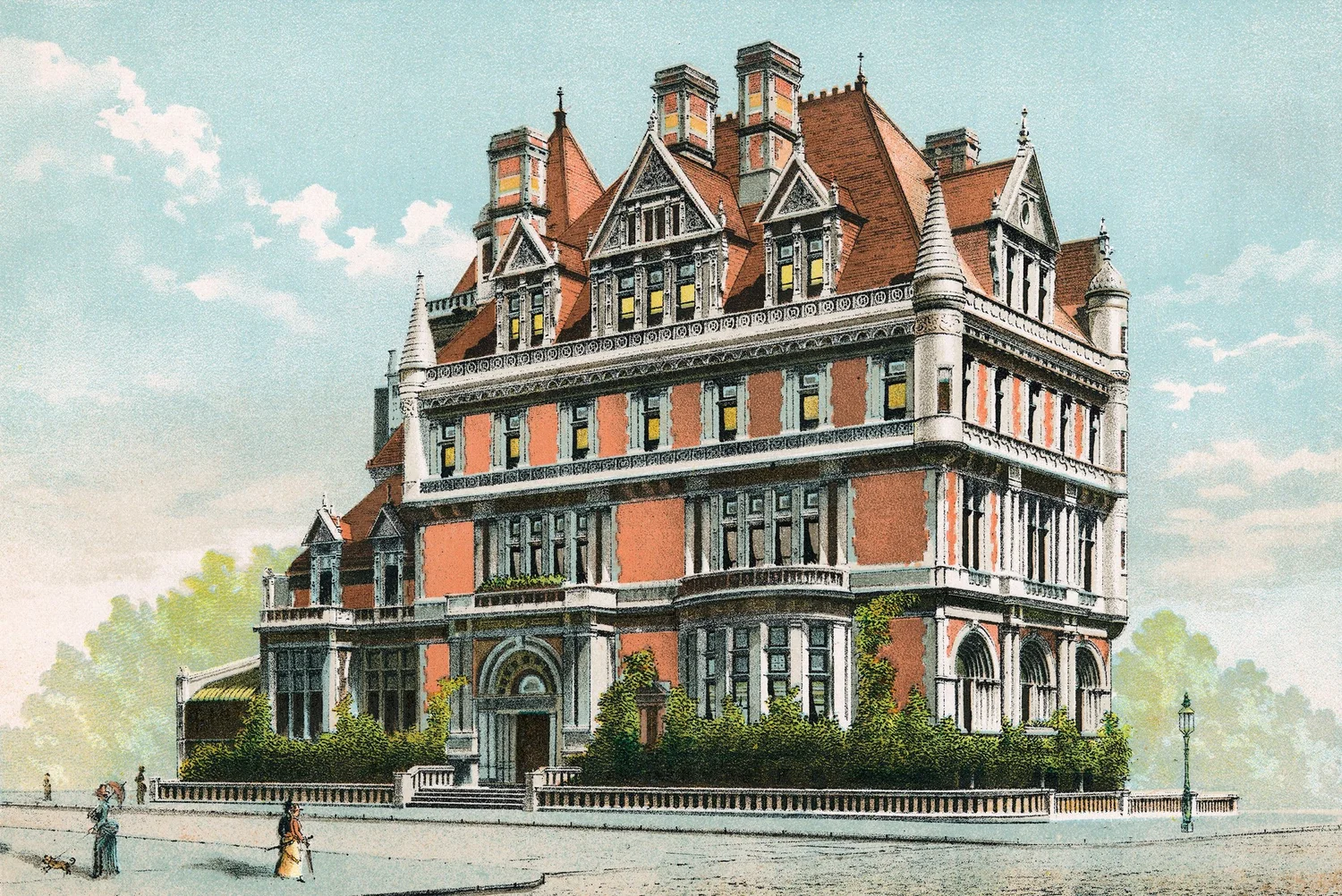
Cornelius Vanderbilt II Mansion, Fifth Avenue, New York City

The superlatively beautiful nieces of a New York City plutocrat are suspected of his murder.


Anna Katharine Green (1846-1935) was a pioneer in detective fiction; this was her first and most successful novel.

Green “has worked up a cause célèbre with a fertility of device and ingenuity of treatment hardly second to Wilkie Collins or Edgar Allen Poe.”  Christian Union, January 22, 1879

“An interesting story of mysterious crime. . . .  The characters act and speak much as they might do in the circumstances, and every detail has been carefully thought out.”  Academy, February 22, 1879

A (somewhat) contrasting view:

“It seems to us a defect in this story, that the very beginning of it gives a tolerably plain hint of the end. . . .  Compression, too, might have been applied, with much benefit. . . .  Still, The Leavenworth Case is a meritorious effort.”  Spectator, March 15, 1879

Download this week’s novel:

https://books.google.com/books?id=Zos0AQAAIAAJ&newbks=1&newbks_redir=0&dq=leavenworth%20case&pg=PP3#v=onepage&q=leavenworth%20case&f=false

Crossword 232: Frozen Out

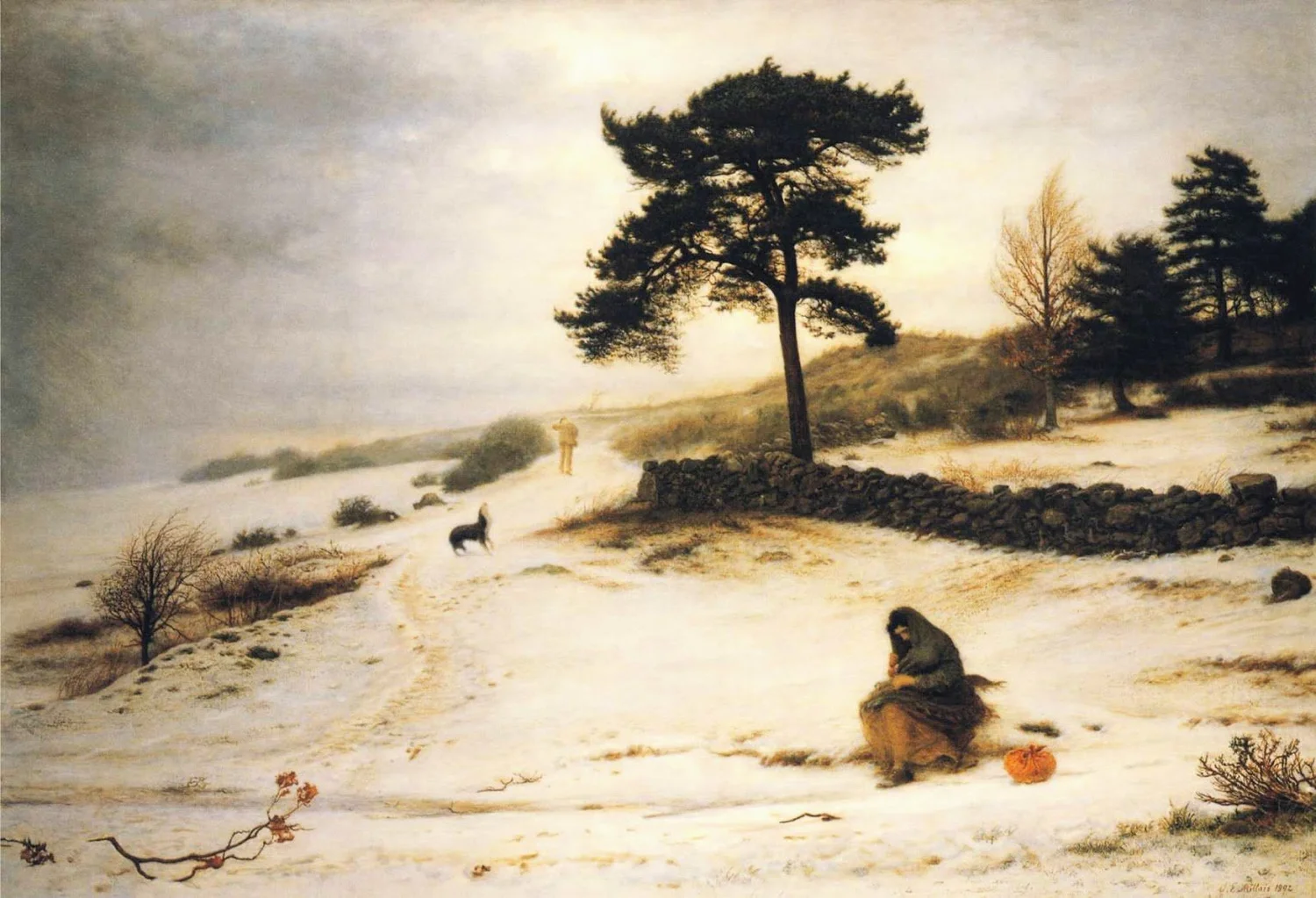
John Everett Millais, Blow, Blow Thou Winter Wind

We all got together without even telling you, much less inviting you, and decided that, for the future, you weren’t ever going to be invited again.  A few suggested that maybe, out of pity, you might be allowed just to watch every now and then, when nothing very important was going on, but they were quickly and easily talked down.  Sorry.


Download this week’s crossword:

232-Frozen-Out.puz

232-Frozen-Out.pdf

Solve this week’s crossword online:
232 Frozen Out

Novel 232: Mary Emma Martin, Bonnie Lesley (1878)

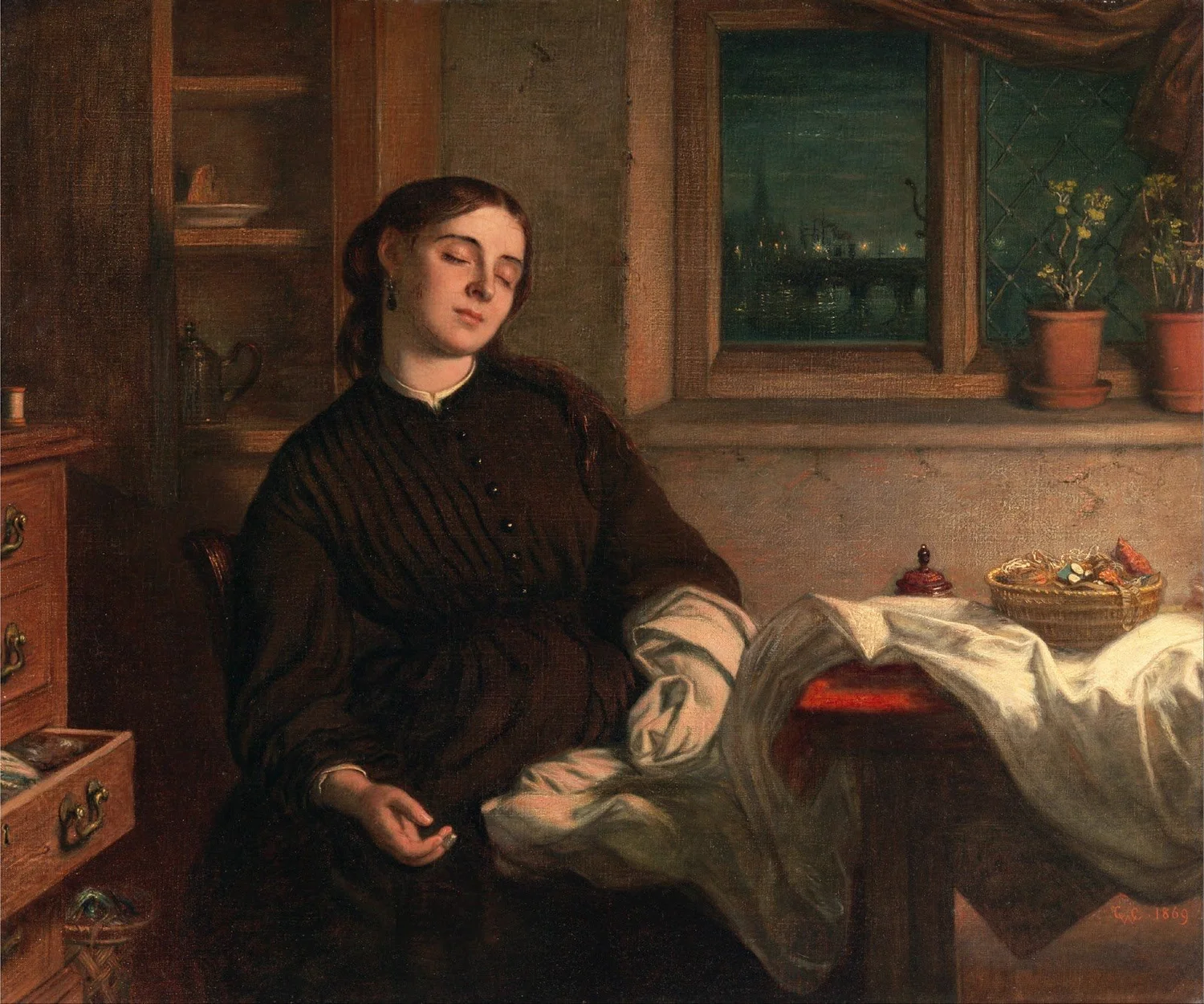
Charles West Cope, Home Dreams

The orphaned daughter of an impecunious clergyman makes her way in the world.


Mary Emma Martin (1845-1931) wrote some 32 novels during the Victorian period, many of them directed to children or young ladies.  This one, her first, though equipped with routine Victorian characters following a routine Victorian plot, is nonetheless intelligent and engaging.

“There is no praise too high for Mrs. Martin’s delightful story.” Academy, June 21, 1878

An “admirable little novelette, . . .  spirited, interesting, refined and humorous.”  Spectator, November 23, 1878

Download this week’s novel:

http://access.bl.uk/item/viewer/ark:/81055/vdc_000000032EDA#?c=0&m=0&s=0&cv=0

Crossword 231: Self-Promotion

James Sant, Self-Portrait

Success in any worldly endeavor—art, literature, law, dentistry, even crossword-constructing—depends on two things: a talent for self-promotion, and blind luck.  To be sure, it doesn’t hurt—may even, in some cases, help—to do well the thing that you profess to do.  But if you don’t know the right people, or if, knowing them, you don’t know how to persuade them of your ability, actually possessing that ability will avail you nothing; whereas if you do know these things, you don’t need actually to know anything else—even how to paint, write, litigate, fix teeth, or make crosswords.  We here at David Alfred Bywaters’s Crossword Cavalcade and Victorian Novel Recommender have no ambition for success in anything but living well and doing good.  But maybe you crave more solid rewards; if so, here’s a crossword that will give you some practice in self-promotion.


Download this week’s crossword:

231-Self-Promotion.puz

231-Self-Promotion.pdf

Solve this week’s crossword online:
231 Self-Promotion

Novel 231: Julian Sturgis, Comedy of a Country House (1889)

Charles Edward Perugini, The Ramparts, Walmer Castle

A young man, finding himself heir to a lordship and large estate, is besieged by scheming relatives.


Julian Sturgis (1848-1904) specialized in light comic novels, of which he wrote a dozen or so, including, obviously, this one.

“Mr. Julian Sturgis’s ‘Comedy of a Country House’ is something like what a comedy should be—bright and vivacious, rapid and amusing, yet with occasional touches and suggestions of deeper feeling.  The cynicism is cheery rather than depressing, and there are some typical men and women lightly and knowingly sketched.  The dialogue is sprightly and natural.”  Athenaeum, July 6, 1889

“The finish and lightness of touch which characterize Mr. Julian Sturgis’ work appear at their best in this entertaining story.” Literary  World, November 9, 1889

A contrasting view:

“Mr. Julian Sturgis is a very clever man, and there is so much cleverness in his Comedy of a Country-House, that no reader who knows good work when he sees it can fail to render hearty and ungrudging admiration.  And yet . . . mere cleverness is an essentially unsatisfying quality. . . .  Like a display of fireworks . . . it is very attractive for the time, but it leaves nothing behind it.”  Spectator, July 27, 1889

Download this week’s novel:

v.1 https://archive.org/details/comedyofcountryh01stur

v.2 https://archive.org/details/comedyofcountryh02stur

Novel 230: Lady Harriet Anne Scott, Hylton House (1850)

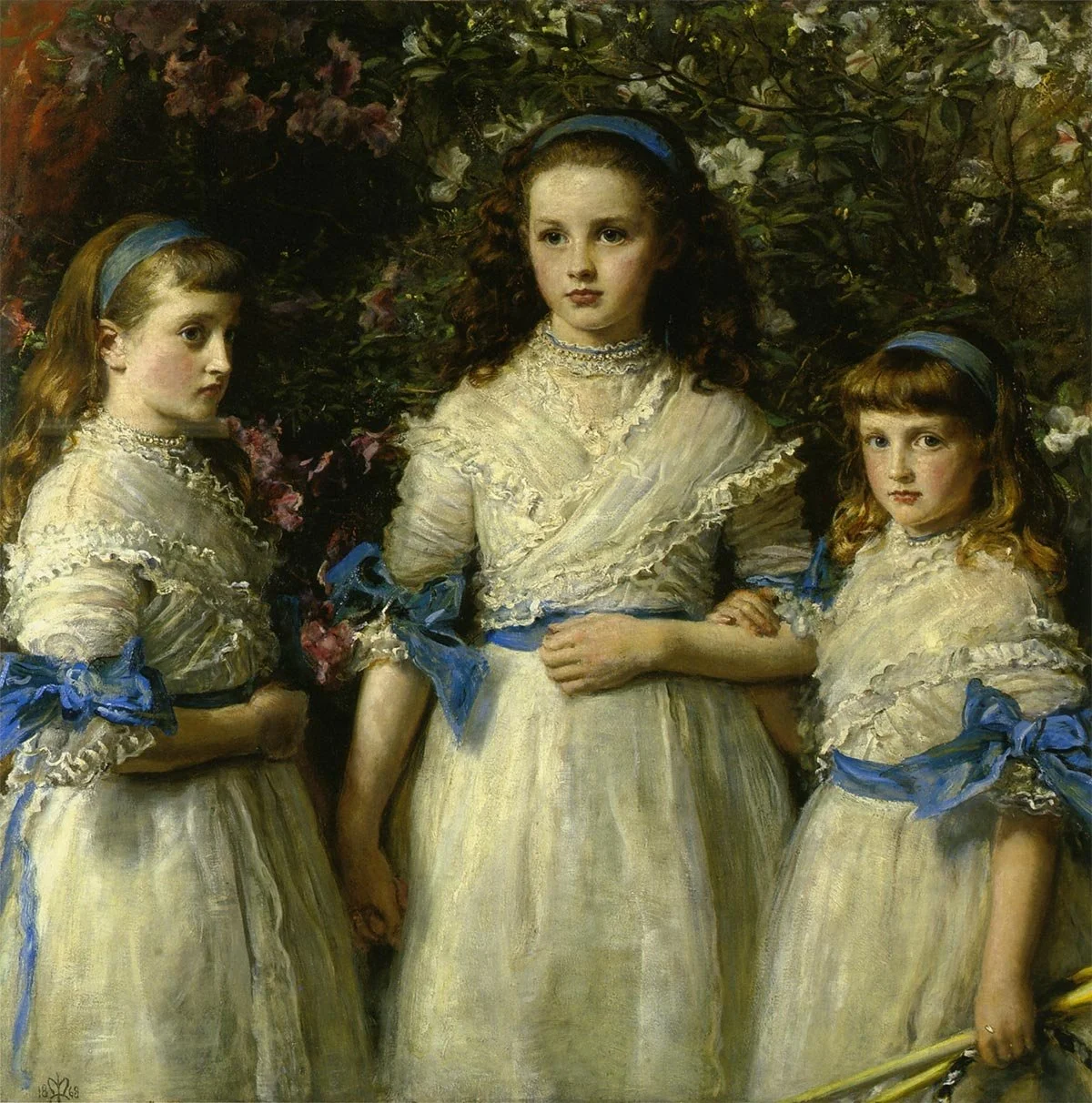
John Everett Millais, Sisters

Three orphaned girls live with an unsympathetic guardian.


Here is another novel by Scott (see Novel 022), with vivid characters and an involving, complex plot.

“The . . . incidents of this story . . . are so many, minute, and intricate, that it would be a very hard task to unravel them intelligibly, even if we could spare a full folio column for the attempt.  However, we will say of them that they amuse and interest, and in their development the authoress has displayed great tact and no small share of talent. . . .  As a story confined to domestic occurences it would not be easy to point out one of recent date more amusingly narrated.”  Observer, April 29, 1850

“There is a strain of pleasant, lively narrative in this novel, which carries the reader onward with unflagging attention, and permits no single page to be dull or wearisome.  The characters are drawn with uncommon spirit. . . .  The story is well contrived, and the denouement ingeniously kept out of view till the latest moment; curiosity is ever on the stretch to know how it will end.”  Critic, May 1, 1850

A contrasting view:

A “record of family intrigues, put together, perhaps not without skill, but unenlivened by any graces of composition or by any display of the feelings that raise and dignify human nature.”  Morning Post, May 18, 1850.

Download this week’s novel:

https://books.google.com/books?vid=BL:A0017514872&hl=en

Crossword 229: There's a Lot Going On Here!

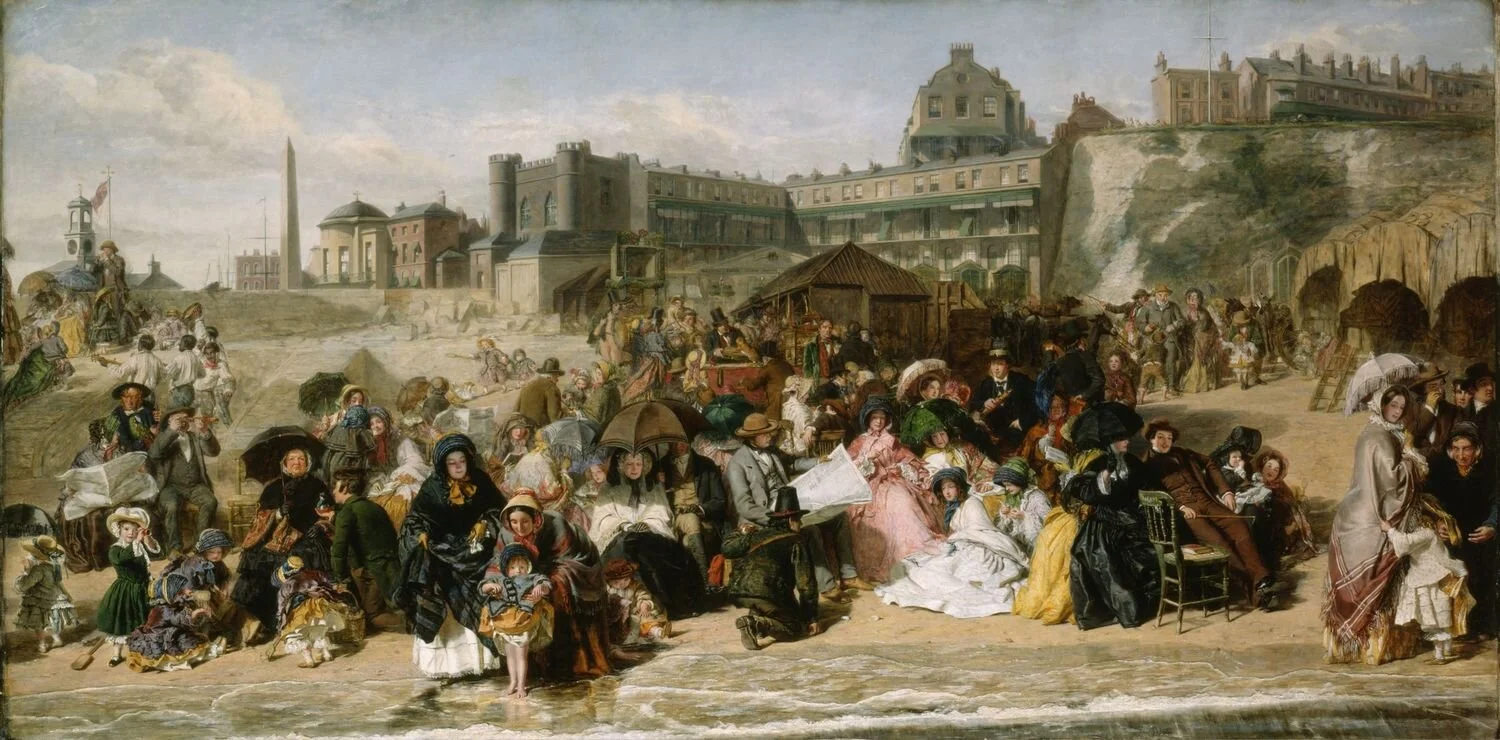
William Powell Frith, Ramsgate Sands

There certainly is a lot going on in this week’s crossword, much of which will, I fear, escape the superficial observer.  Like all my puzzles, of course, this one shapes society by including things I recommend (like garden statuary) and excluding things I deplore (like nuclear waste).  But beyond that, it initiates several conversations we all need to be having these days—about the commercial appropriation of our wetlands, about big tech, about political polarization.  I hope you’ll give it the close attention it deserves, even if it challenges some of your most deeply held habits and beliefs.  Only through such ruthless self-interrogation can you hope to grow, not just as a solver, but as a human being.


Download this week’s crossword:

229-There’s-a-Lot-Going-On-Here!.puz

229-There’s-a-Lot-Going-On-Here!.pdf

Solve this week’s crossword online:
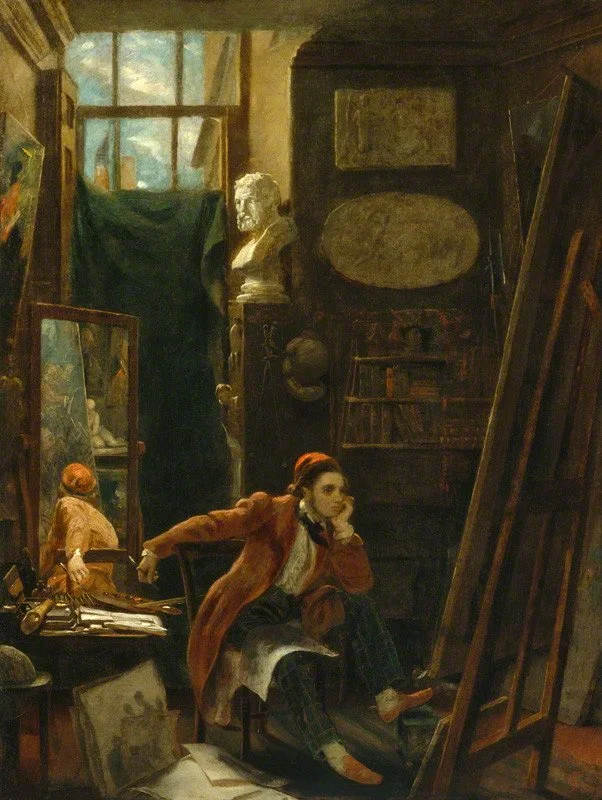
229 There’s a Lot Going On Here

Novel 229: Edward Eggleston, Roxy (1878)

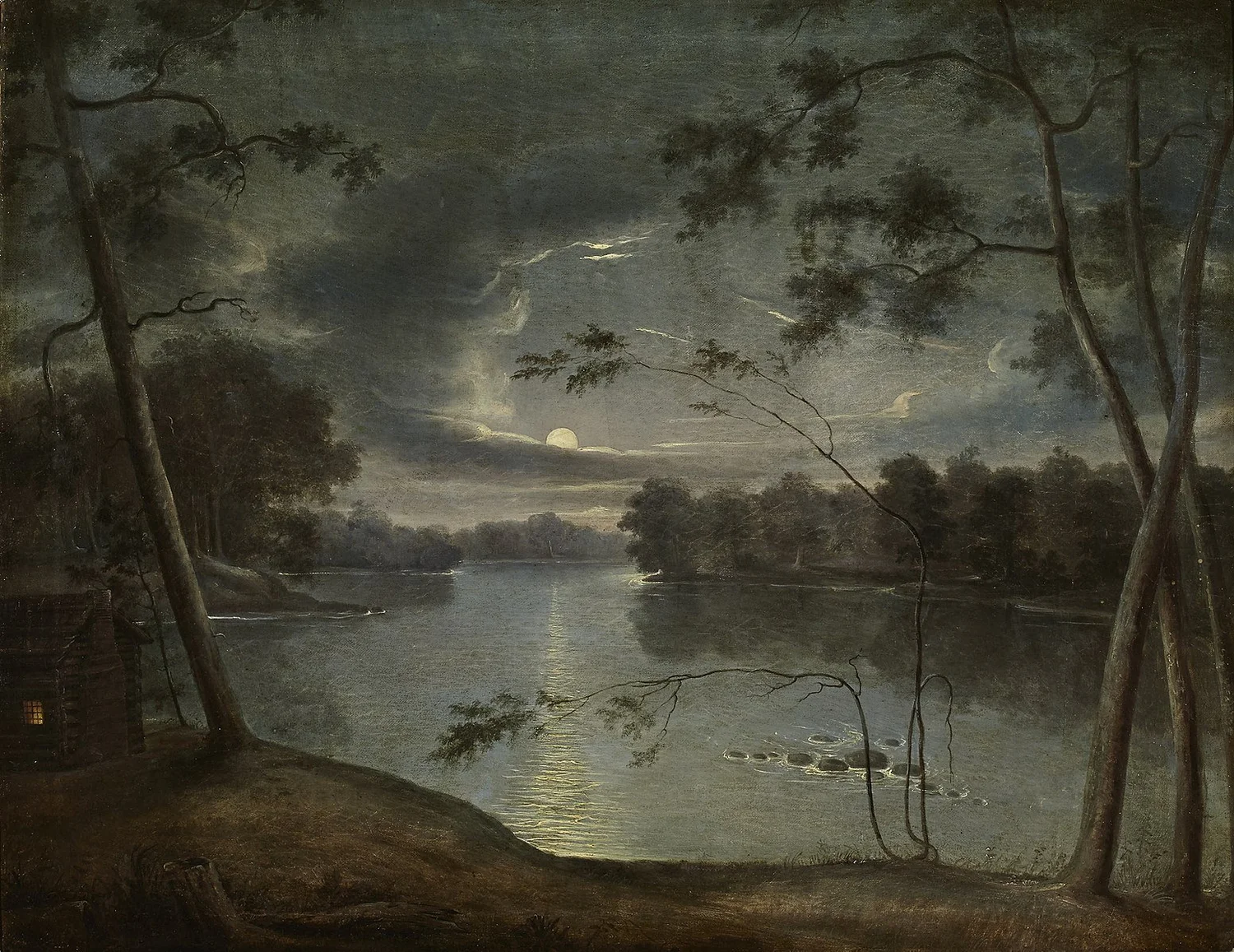
George Winter, Nocturnal Landscape

In a small Indiana town, an idealistic young woman marries an unstable young man.


Here is another novel by Eggleston (see Novel 162) this one set not in New York City but in an Indiana town like that in which the author was born and raised.

“‘Roxy’ may be accepted as the latest example of a purely American novel, and to say the least, one of the very best. . . .  It is the genuine product of the Western soil, inspired by familiar personal knowledge of the people and profound sympathy with primitive life in its early imperfect manifestations.  The writer has drawn exclusively from Nature, without the aid of caricature or fictitious embellishments.” New York Tribune, October 1, 1878

“A remarkable novel, so remarkable that you feel bound, having once begun its perusal, to finish the two volumes at a sitting, and inclined to dip into them at odd moments afterwards, and roll passages as sweet morsels under your tongue.”  Spectator, October 5, 1878

A contrasting view:

The author “is often lively, at times vigorous, though his liveliness and vigour would have been far more apparent had he cut down his story at at least one quarter.” Saturday Review, November 9, 1878

Download this week’s novel:

https://archive.org/details/roxyeggl00eggluoft

Crossword 228: Not on the Level

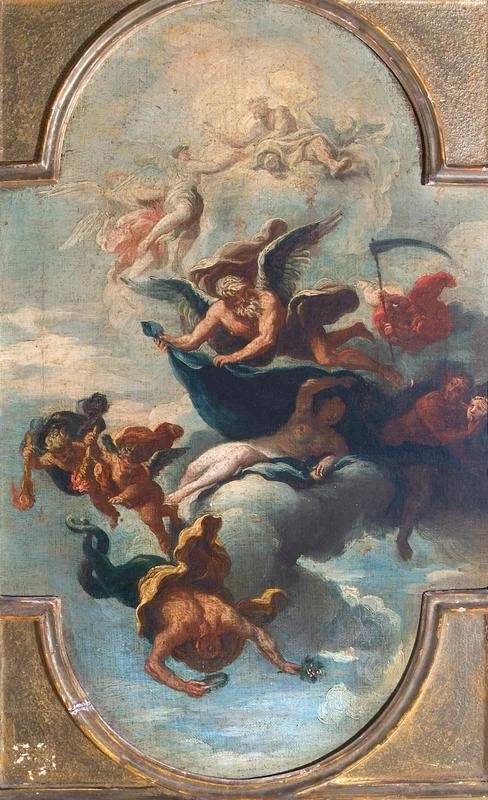
William Dyce, The Descent of Venus

Do you ever get the impression that people aren’t being entirely honest with you—that their stories are fabricated, their professions hollow, their affection feigned?  Do you ever wonder whether in fact everybody else in the world is just a cleverly designed automaton, part of an experiment of which you, the only real person, are the subject? It would explain so much, wouldn’t it?  Well, stop thinking this way—it isn’t healthy!  We have a nice little crossword puzzle for you. Solve it; you’ll feel better.


Download this week’s crossword:

228-Not-on-the-Level.puz

228-Not-on-the-Level.pdf

Solve this week’s crossword online:
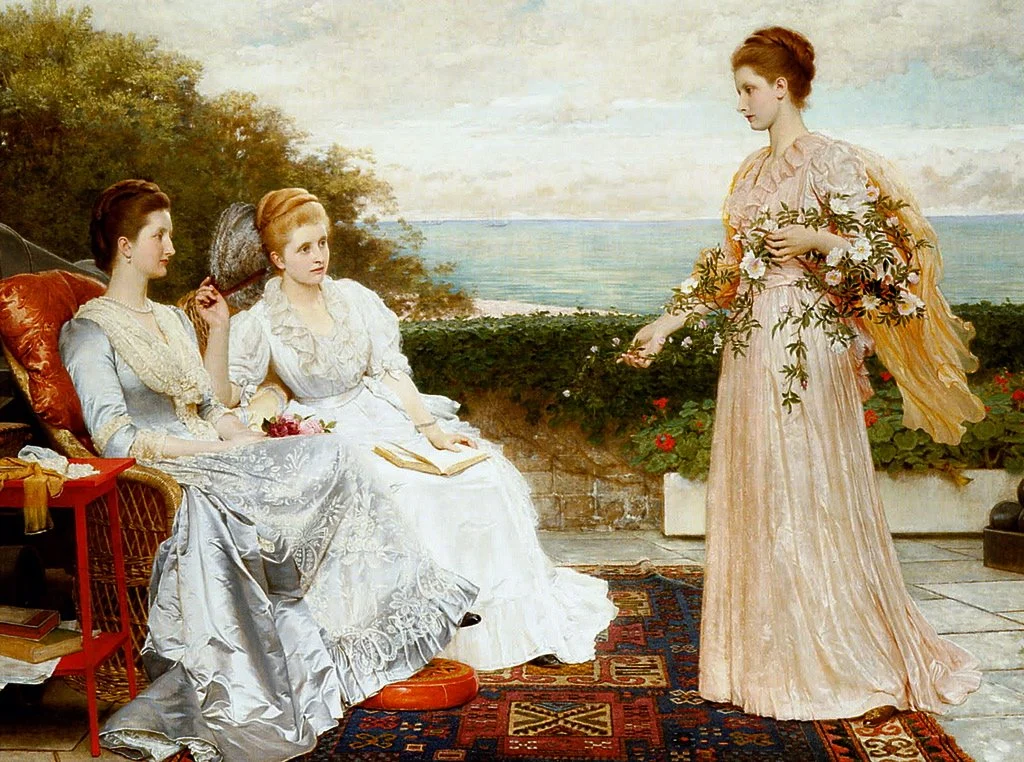
228 Not on the Level

Novel 228: Annie Louisa Walker, Lady's Holm (1878)

George Dunlop Leslie, Fortunes

An orphan, raised by a prim aunt, falls in love.


Annie Louisa Walker (1836-1907), encouraged by her second cousin Margaret Oliphant, wrote half a dozen novels between 1873 and 1894. This one is inventive and amusing, and also reassuringly conventional.

“As a piece of genuine, careful, and successful work, Lady’s Holm will bear a very favourable comparison with most of the ‘new novels’ of the season.  There are a grace and ease in the writing, a faithfulness in the execution, and a tenderness in the manipulation which more than make up for a certain want of freshness and originality.” Academy, August 31, 1878

“While there is a great purity and freshness about what she writes she also has considerable power of drawing character, and making it harmonize with its surroundings”; the novel “will be found well worth reading by all who can enjoy picturesque description and good incisive delineation of character.”  Spectator, September 7, 1878

A contrasting view:

“A rather pretty story, quite harmless, and suitable for unexacting novel-readers of every age.”  Athenaeum, August 3, 1878

Download this week’s novel:

v.1 http://access.bl.uk/item/viewer/ark:/81055/vdc_00000004EE6A#?c=0&m=0&s=0&cv=6

v.2 http://access.bl.uk/item/viewer/ark:/81055/vdc_00000004EE46#?c=0&m=0&s=0&cv=0

v.3 http://access.bl.uk/item/viewer/ark:/81055/vdc_00000004EE4C#?c=0&m=0&s=0&cv=0


Crossword 227: We Have Been Out

Thomas Creswick, The Village Smithy

We at David Alfred Bywaters’s Crossword Cavalcade and Weekly Victorian Novel Recommender have been out much of the week, leaving our forge and cottages in the hands of the caretaker.  Our boots needed resoling, our chisels sharpening; most importantly, we had to restock the apiary, as our honey and wax supplies were dwindling.  So if your tour bus happened by and you were unable to gain access to our grounds, I offer my apologies.


Download this week’s crossword:

227-We-Have-Been-Out.puz

227-We-Have-Been-Out.pdf

Solve this week’s crossword online:
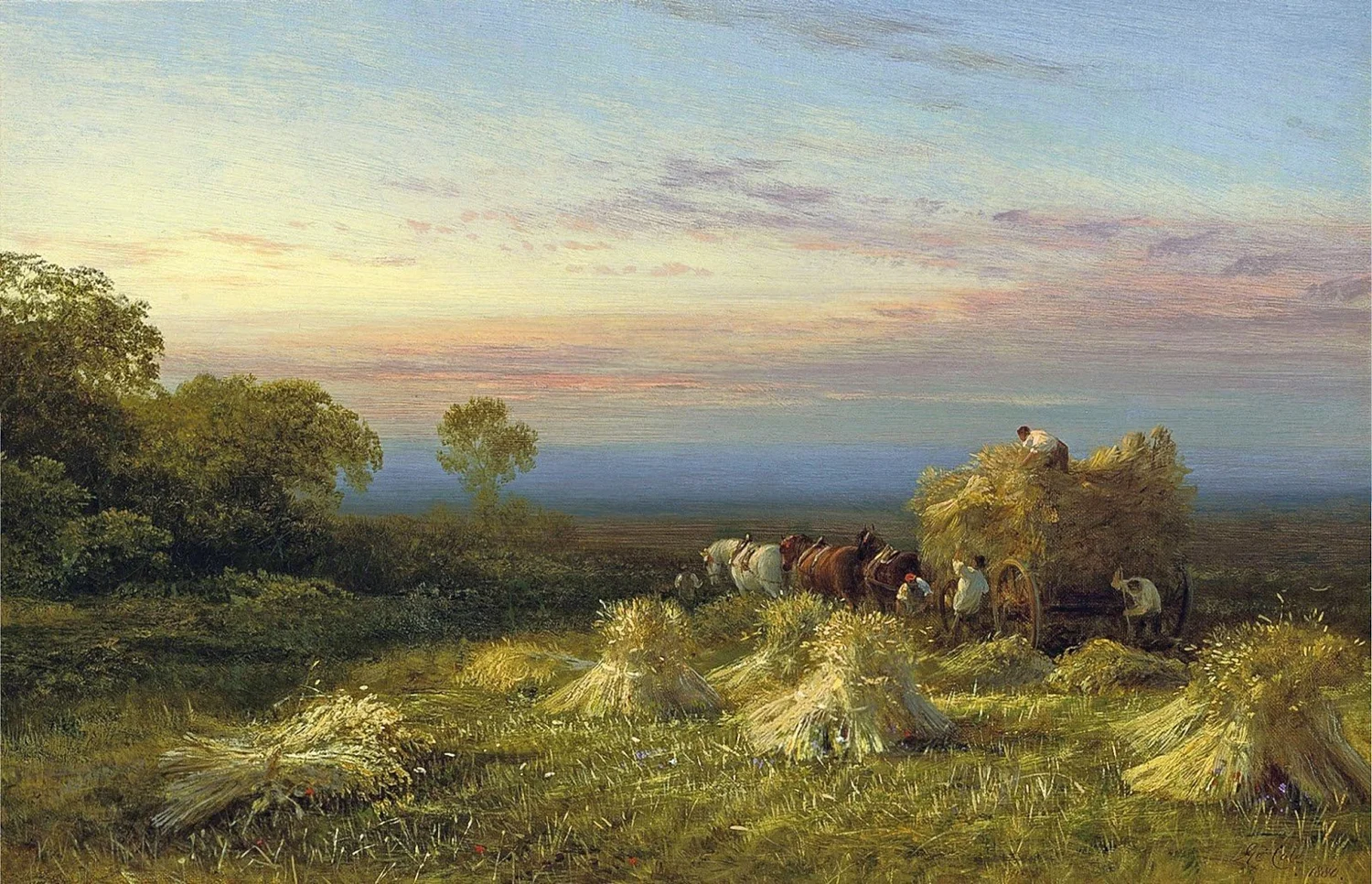
227-We-Have-Been-Out

Novel 227: Lucy B. Walford, Pauline (1877)

George Frederick Watts, Eveleen Tennant

A virtuous young lady falls in love with a Byronic hero, her brother with their pretty cousin.


Here is another novel by Walford, for whom see Novels 018, 066, 121, and 174.

“The incidents are as interesting as is consistent with probability, and . . . the principal characters behave and talk like ladies and gentleman. . . .  Walford has a keen appreciation of the irony of life.”  Athenaeum, October 13, 1877.

Walford has a “faculty for observing certain types of society, which to a more careless eye would present no salient points to be seized and tabulated”; she can “take a perfectly commonplace mortal out of a crowd, and so  . . .  set him before a reader that the truthfulness of the presentation shall be at once recognised, and the individual become a personal acquaintance.”  Academy, November 3, 1877

A contrasting view:

“There is an air about the book, a pretentiousness, an aplomb, which led us to feel that there must, somehow, be something in it. . . .  Unquestionably there is something about it different from other novels; but we are unable to say that this difference is in its favour.  The story never gets hold of us, and the characters come like shadows, and so depart.”  Observer, October 14, 1877

Download this week’s novel:

https://archive.org/details/22598996.60953.emory.edu