If anybody knows anything about S. Vere, aside from her (?) authorship of this one short novel, I have been unable to discover it. In fact, I have found only two reviews, excerpted below. The novel’s characters are well delineated, even if its plot is clumsily didactic.
“The story is carefully and tastefully written, and the character of the proud, wayward, but noble-hearted Lady Helena is well drawn.” Academy, August 18, 1877
A contrasting view:
"It is not clever, nor original, nor vulgar, nor anything. It is toneless and colourless.” Athenaeum, July 7, 1877
I warn you frankly: this week’s puzzle contains puns. If you don’t like puns, however, don’t despair: you can make your own pun-free bird-themed puzzle. Here’s how! Take words that can appear before bird—“black,” “red,” and “blue,” say—make new phrases beginning with these words, like “black hole,” “red herring,” “blue cheese,” whatever—finish with the revealer “early bird,” and voilà! Or find phrases with bird names in the middle—“lo(w ren)t,” “Dan(te Al)ighieri,” “ge(t it) in the neck”—and finish with the revealer “birdcage.” Or find phrases with bird names at the ends—”du(mp tru)ck,” “cr(iminally ins)ane,” “fin(ishing tou)ch,”—revealer “stuffed bird.” A good software program will take care of your grid, fill, and clues, and you’ll end up with something as pun-free, and fully as inspired, as many a puzzle you’ll find any day in the major crossword venues.
The beautiful daughter of a miserly gardener craves money and social position.
Katharine S. Macquoid (1824-1917) wrote some fifty novels between 1862 and 1898; of this one she was particularly proud: in 1898 she was still identifying herself on her title pages as “Author of ‘Patty.’”
“A pleasant novel; not, perhaps, of the highest class, but, on the whole, well imagined, and satisfactorily worked out.” Athenaeum, December 2, 1871
“The authoress of this novel combines several very unusual excellencies. The materials of the story and of the plot are derived from the commonplaces of fiction, and from the events of ordinary life. . . . A group of imperfect, abnormally defective humanities, all distinguished by strong impulses, lack of ballast, and subtle selfishness are brought into contact. . . . There are many admirably drawn portraits, there is in it a high moral tone blended with a fine appreciation of natural and artistic beauty, and a blessed absence of cant.” British Quarterly Review, January, 1872
A contrasting view:
“All the characters in it, all the interests which it involves, are small. . . . It is impossible to care very much about the human beings in the story”; however, it “stands considerably above the level of the average novel. The literary skill which the writer displays throughout is of no common kind, and there are fine things in the narrative.” Spectator, February 24, 1872
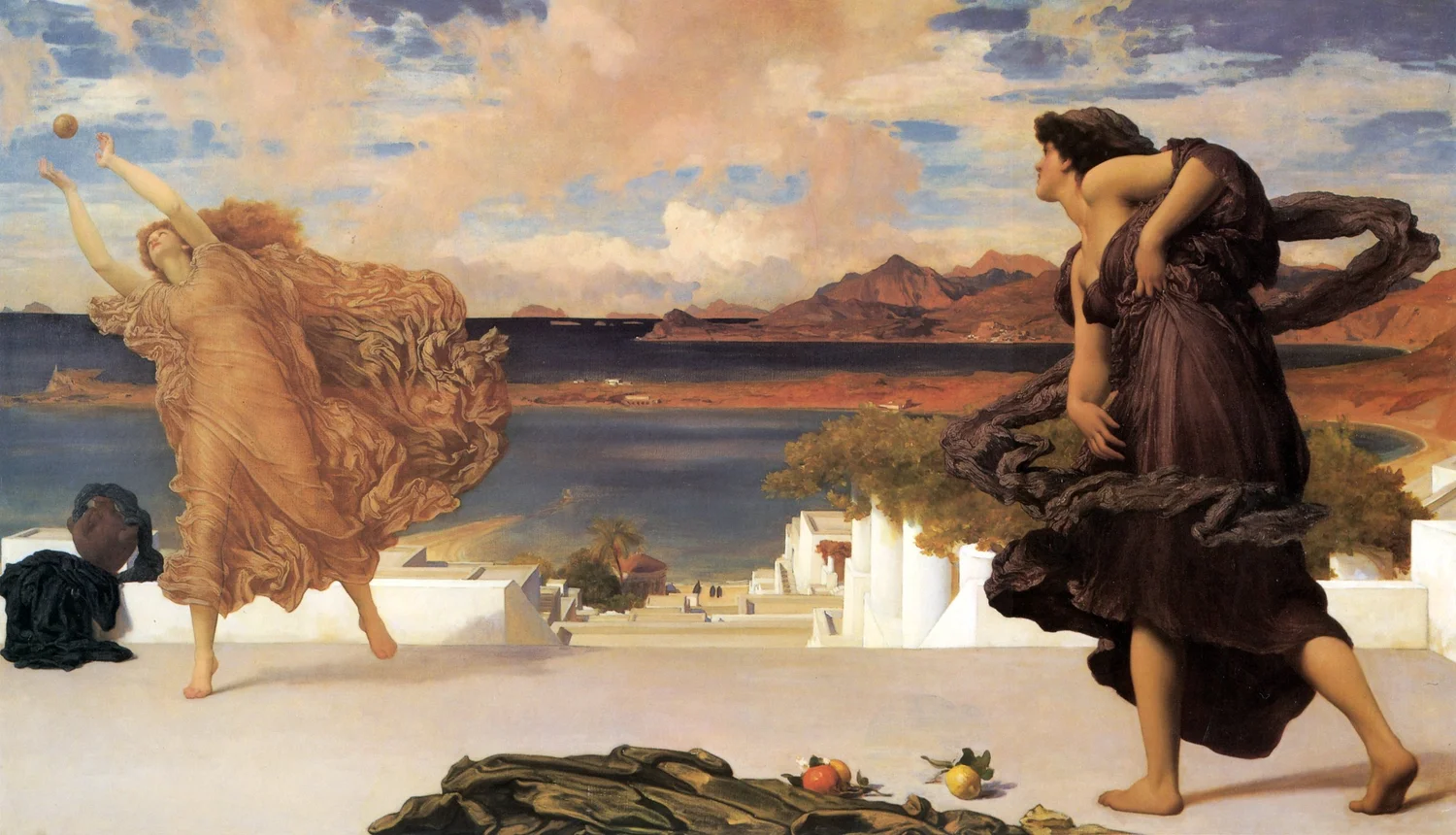
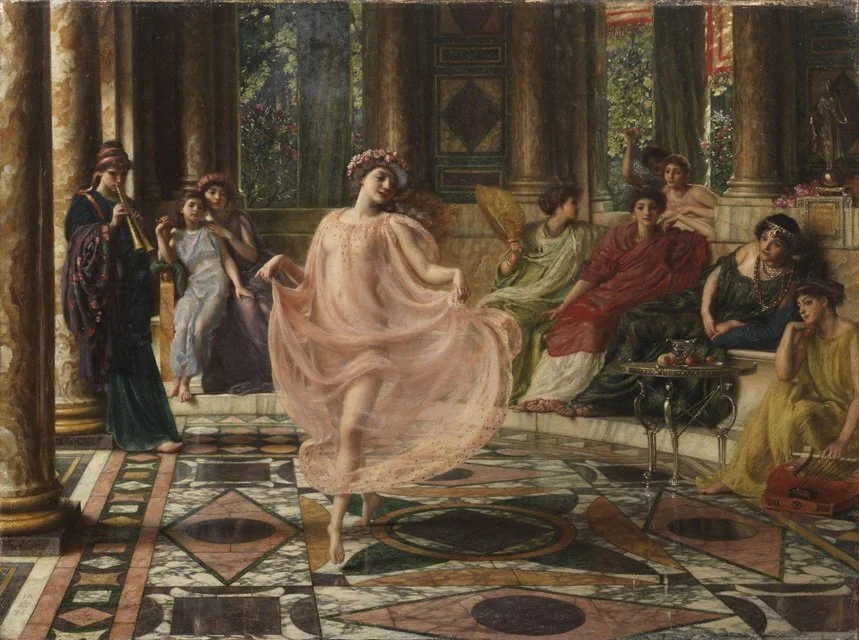
Lord Frederic Leighton, Greek Girls Playing at Ball
So I filled 1 Down shamelessly with slang I made up myself for the purpose of completing this crossword’s theme. What of it? Why shouldn’t I make up my own slang, so long as it’s inferable? In fact, as a solver I would rather have inferable made-up slang than the real but abstruse “modern slang” that seems ever more common in crosswords—slang current exclusively in some subculture that savvy solvers congratulate themselves for appreciating while the rest of us scratch our poor heads.
Nothing seems to me more likely to kill the fun of crosswords than this new idea, which I’ve seen in more than one place where crosswords are discussed, that the pleasure of crossword-solving comes mainly from the recognition of allusions in the grid to the interests of one’s particular in-group. In fact, the specialized you-know-it-or-you-don’t trivia one encounters in crosswords—whether botanical species or brand names, Russian rivers or social media fads, learned arcana or celebrity gossip—is not a merit but a blemish imposed by the constraints of the form and the limits of the language. Let’s all start being properly ashamed of it again.
One woman is betrayed by her lover; another repents having betrayed hers.
Here is another unassuming novel by the unsung Thomas Cobb (see Novels043,146).
“Mr. Cobb’s books . . . bear the stamp of a scholarly mind, and are not concerned with intrigues and plots and harrowing scenes. They concern, on the contrary, delightful groups of people of the aristocratic and upper middle class, with a quite probable plot that in no way strains the imagination. . . . ‘Mrs. Latham’ is every bit as good as any of her predecessors.” Aberdeen Daily Journal, January 18, 1915
“The story . . . is sure to please a host of readers, who will, moreover, be agreeably tickled by not a few of Mr. Cobb’s favourite little problems.” Academy, February 13, 1915
A contrasting view:
“A readable, if somewhat slight story.” Athenaeum, March 27, 1915
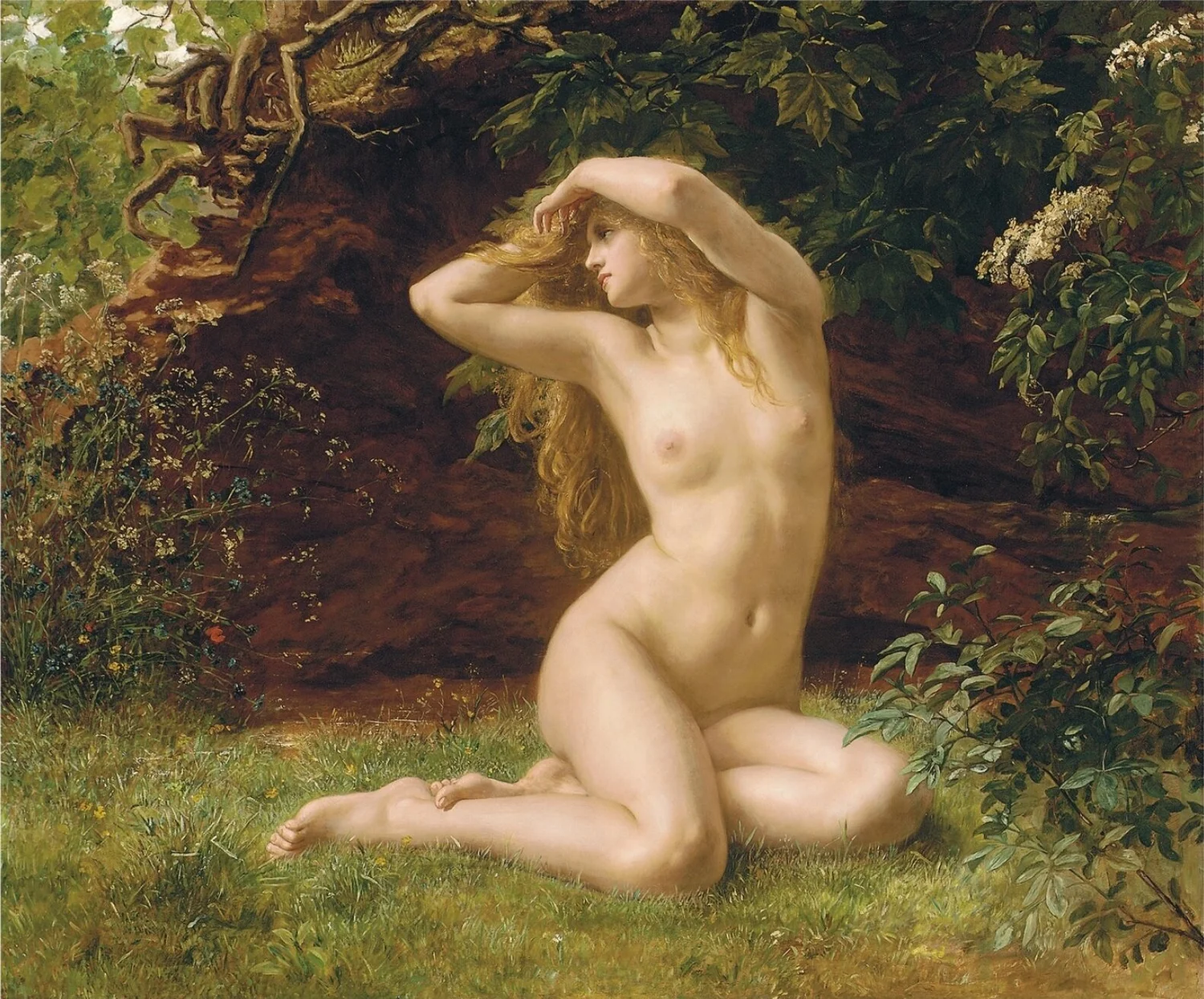
Valentine Cameron Prinsep, The First Awakening of Eve
Well, here it is, the first day of the first month of a new year, and so, to keep you in the New-Year’s spirit, I have a puzzle for you with the word “first” in its title, and also a bit of advice, not just for this puzzle, but for any of life’s challenges: if at first you don’t succeed, try another crossword.
A stubborn squire mishandles his children and tenants.
Nothing is known of H. Bouverie Pigott except that she wrote three novels between 1862 and 1873, of which this was the second. Its plot is a standard affair of parental ambition crossed by filial willfulness, but the characters are consistent and well defined.
“An easy, natural story made up principally of incidents of family history such as any of us may have met with. . . . The characters, too, are for the most part, fashioned after ordinary types.” Athenaeum, April 15, 1865
“A domestic story of considerable ability and promise, without any particle of sensational or villanous intermixture of any kind or description whatever. This is something new in modern novel writing, and yet the interest of the story never flags. The reader’s sympathies run strongly with the hero and heroine to the very end. The characters are naturally drawn, and are precisely such as may not unfrequently be met with in ordinary life.” Caledonian Mercury, April 29, 1865
A contrasting view:
“It is so painfully harmless that it is the kind of book suited for a good-conduct prize at a young ladies’ boarding school. . . . Taken in judicious doses” it “will probably act as a wholesome soporific during the very hot summer we are threatened with.” Morning Post, April 15, 1865
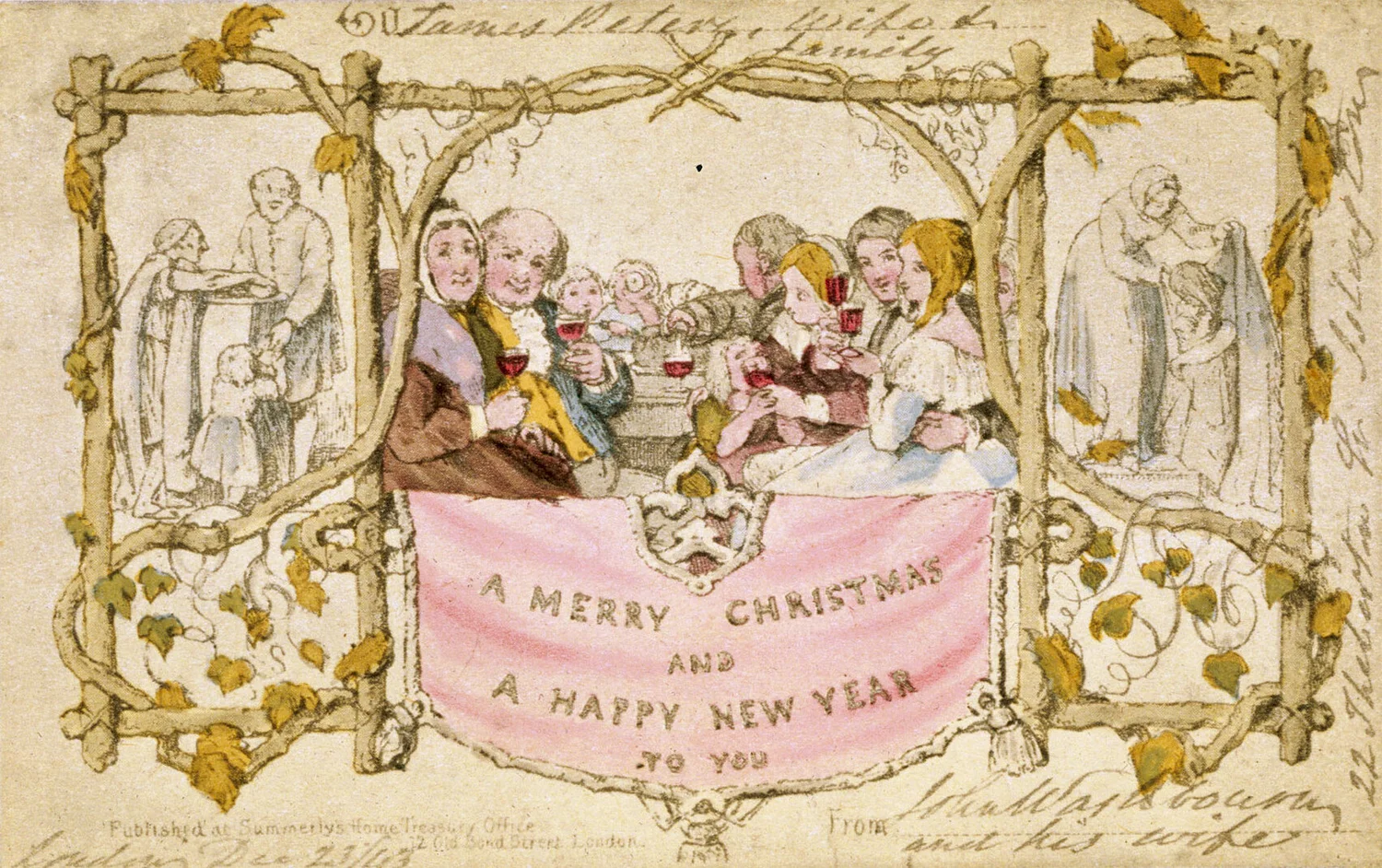
It’s Christmas! So here’s a little gift, just for you—a new crossword puzzle! I made it myself! As to the title—if you’re not fond of Christmas carols, don’t worry—remember how I let you offlast year?
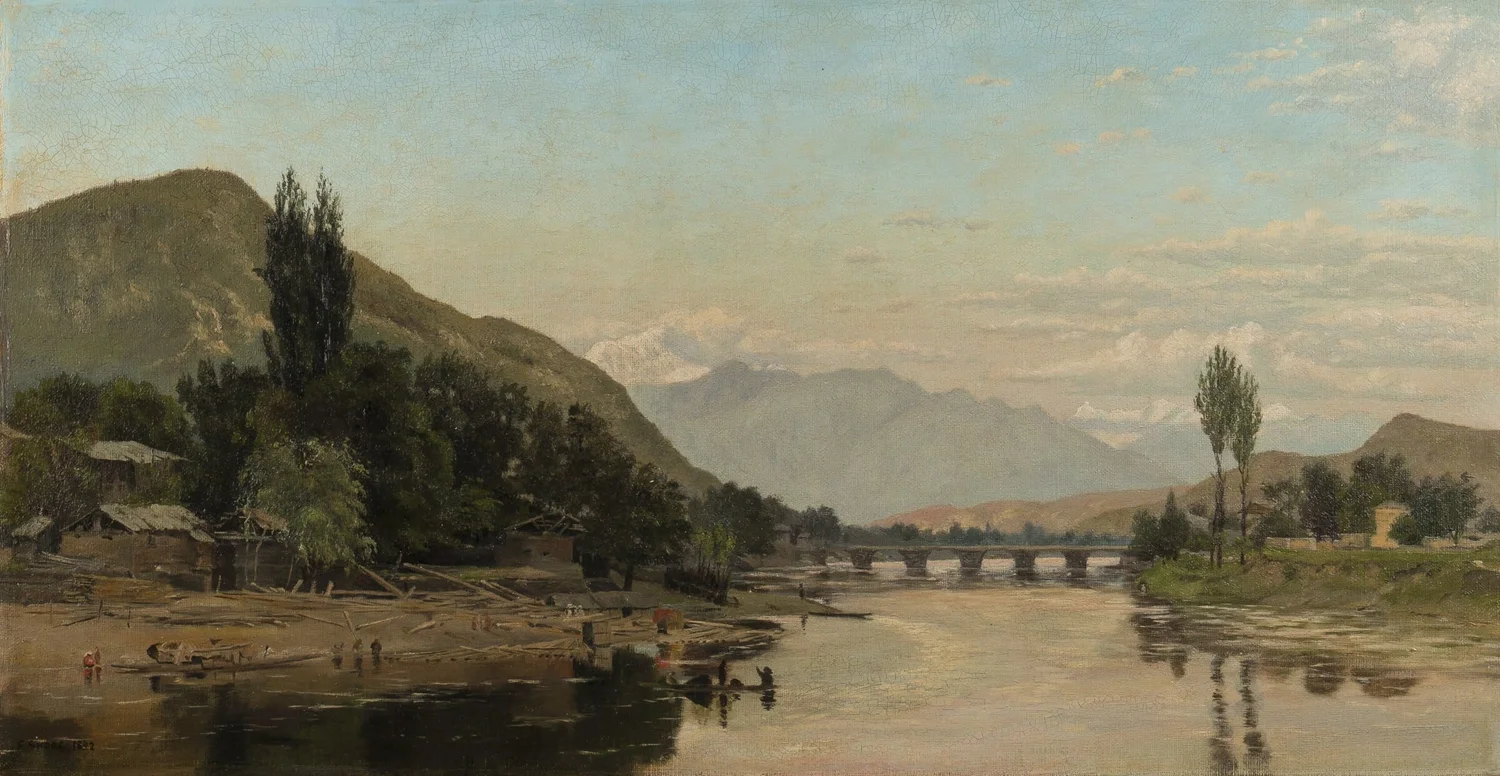
Captain Frederick William John Shore, The First Glimpse of the Vale of Kashmir from the Tonga Road at Baramulla
An English girl goes to live with her guardian in northern India.
Here is another novel by Cunningham (see Novels020,161); set in what is now Pakistan, it expresses a fairly jaded view of British rule.
“It is not often that a novel-reader comes across a story so bright, so amusing, and so sparkling. . . . Anglo-Indian life has never been better sketched.” Saturday Review, June 19, 1875
“Contrary to the wont of novels treating of Anglo-Indian life, which are generally to the English reader inexpressibly wearisome, the ‘Chronicles of Dustypore’ are bright, clever, and amusing, and just the kind of thing wherewith to wile away an otherwise tedious hour.” Morning Post, August 30, 1875
A contrasting view:
The author is “a person of pleasant wit, extended reading, and excellent taste, but as soon as the least pressure is put on him to discover the views of so exceptional a witness on the graver questions of English administration in India, the airy creature flies off and vanishes in a spray of tittle-tattle.” Academy, July 3, 1875
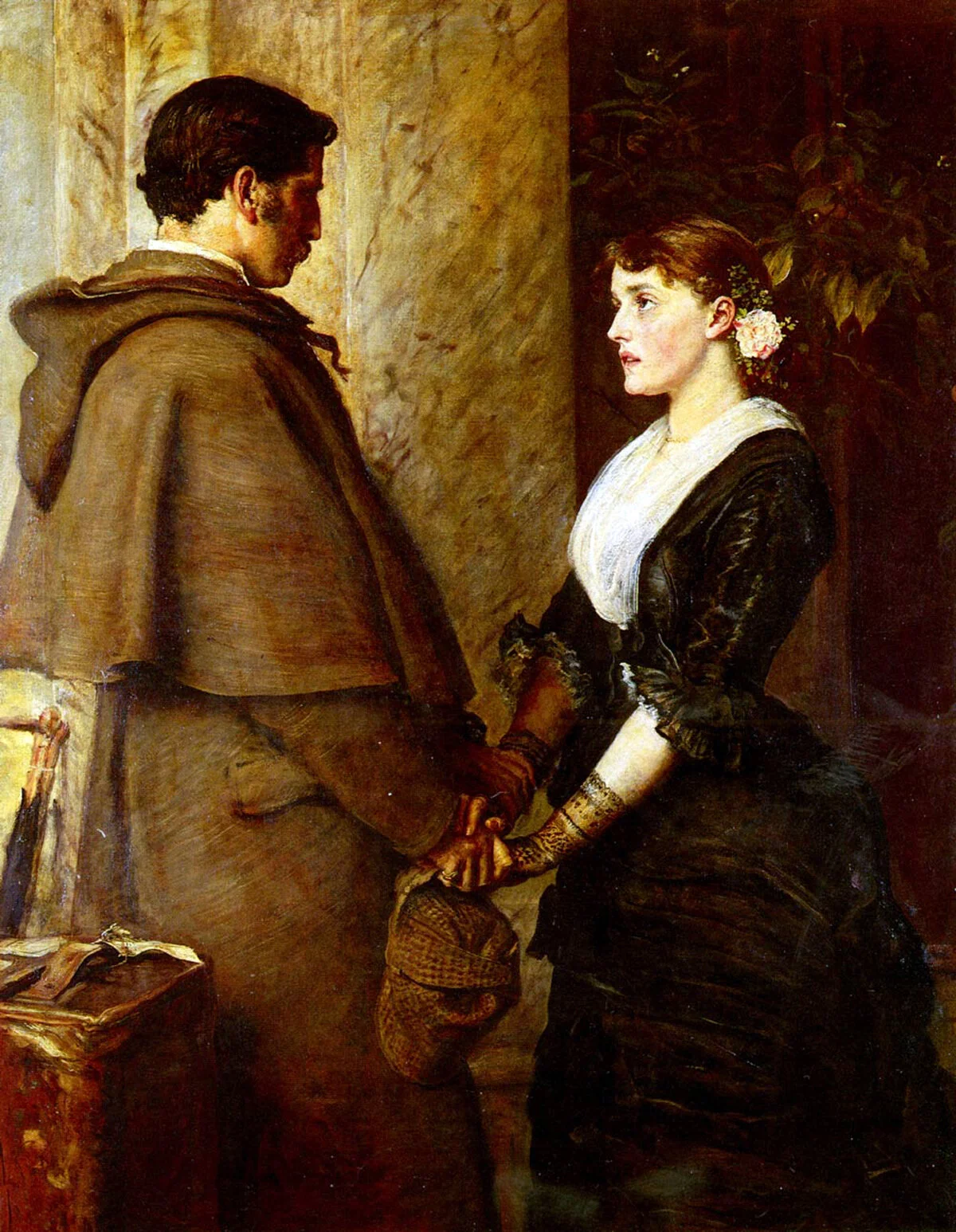
Why is the English word signifying assent so ugly? “Si” sounds helpful, “oui” cute, “ja” endearingly goofy, but “yes,” with its growling short “e” and sibilant conclusion, seems just hostile. When people say it while making that ugly pulled-down-fist motion—often with the implication, “Yes, my enemies lie slaughtered before me!”—they’re only realizing the sound’s potential.
A virtuous young lady misunderstands, and is misunderstood by, the man she loves, who is troubled also by issues of inheritance.
Here is another novel by Waddington (seeNovel 014), with characterization so good as to make up for a lovers’-misunderstanding / stolen-inheritance plot of greater-than-average idiocy. At one point, for example, a character shoots himself—and misses!
“A number of the characters . . . are sketched with great ability and truthfulness, and the story altogether reads well. If there is no great profundity or consistency in the plot, there is abundant variety in the characters, and vivacity in the dialogues.” Caledonian Mercury, March 19, 1842
“Time was, when a book containing such shrewd insights into human character, and so many kindly sympathies . . . would have made a sensation.” Athenaeum, March 26, 1842
“Miss Waddington’s characters are for the most part drawn with great ability. . . .—they are distinct portraits, and . . ., supposing them to be placed in the position she gives them, they perform their parts with spirit and truthfulness. . . . Many incongruities, and much of that tiresome twaddle meant for dialogue, which ladies who write are so fond of filling their books with, disfigure the ensemble of ‘Newstoke Priors;’ but, notwithstanding these defects . . . it is a novel in parts powerfully written, and on the whole as full of interest as any of its contemporaries.” Morning Post, May 3, 1842
A contrasting view:
“There is enough good stuff in this novel to have formed one interesting volume, but from being diluted into three it is absolutely attenuated into inanity.” The Era, March 13, 1842
My main purpose on this website has been to edify the world—to educate its taste, elevate its morals, and enrich its spiritual experience by crossing only the most edifying words and phrases. After four years, however, I cannot but confess that the world seems stubbornly unedified. Everywhere I turn I continue to encounter bad things: ugly art, unethical behavior, wrong ideas. So this week I’m trying a direct approach.
In a remote French seaside town, a neglected girl resists her vain stepmother’s control.
Here is another novel by Edwardes (seeNovel 158), featuring another attractively rebellious heroine.
“A most amusing tale.” Athenaeum, April 19, 1873
“It is humorous, vivid, rapid, lavish, and yet brief; unconventional almost to dash, and yet in no sense immoral in its tendency. . . . There is a flavour of something like true genius about A Vagabond Heroine.” Spectator, July 5, 1873
A contrasting view:
“We wish our lady writers would leave off drawing these queer, unlikely, and unlovable heroines. Murderesses and gamins, idiots and adventuresses, seraphs bred in the mire and angels fashioned out of the dirtiest clay—we are tired of them all. They are fantastic caricatures of human nature rather than sober and life-like portraits. . . . All these unnatural and impossible heroines are as little like the women of real life as are the six-handed and three-headed goddesses who may serve as emblems, but are absurd as artistic representations.” Saturday Review, September 27, 1873
Some weeks ago (seeCrossword 193) I was boasting of the wholesome food consumed by the skilled artisans here at David Alfred Bywaters’s Crossword Cavalcade and Weekly Victorian Novel Recommender. This week, I’m afraid some of it got tangled up in the crossword-making machinery. We salvaged what we could.
A strong-willed young lady marries a charming officer-in-training.
Here is another of Payn’s 60-some works of fiction (see Novels011,081), with an excellent portrait of a genial character drifting carelessly into evil.
“Though the subject is unpleasant, Mr. Payn has made a readable book. . . . There is plenty of vivacity in the narrative throughout.” Athenaeum, May 19, 1877
The novel “deals with a painful subject in a way which other novelists might emulate with advantage.” Spectator, January 26, 1878
A contrasting view:
“It is nothingness, like its lighter brethren, but it is heavy nothingness, the very ponderosity of Nihilism. It is not interesting, it is not amusing, it is not appealing, it is not instructive, . . . it is hopeless to go on saying what it is not. . . . There ought to be no difficulty in turning off such books as this once a month, or even sooner; anyone of average capacity might spin them off as fast as he could hold the pen.” Examiner, May 5, 1877
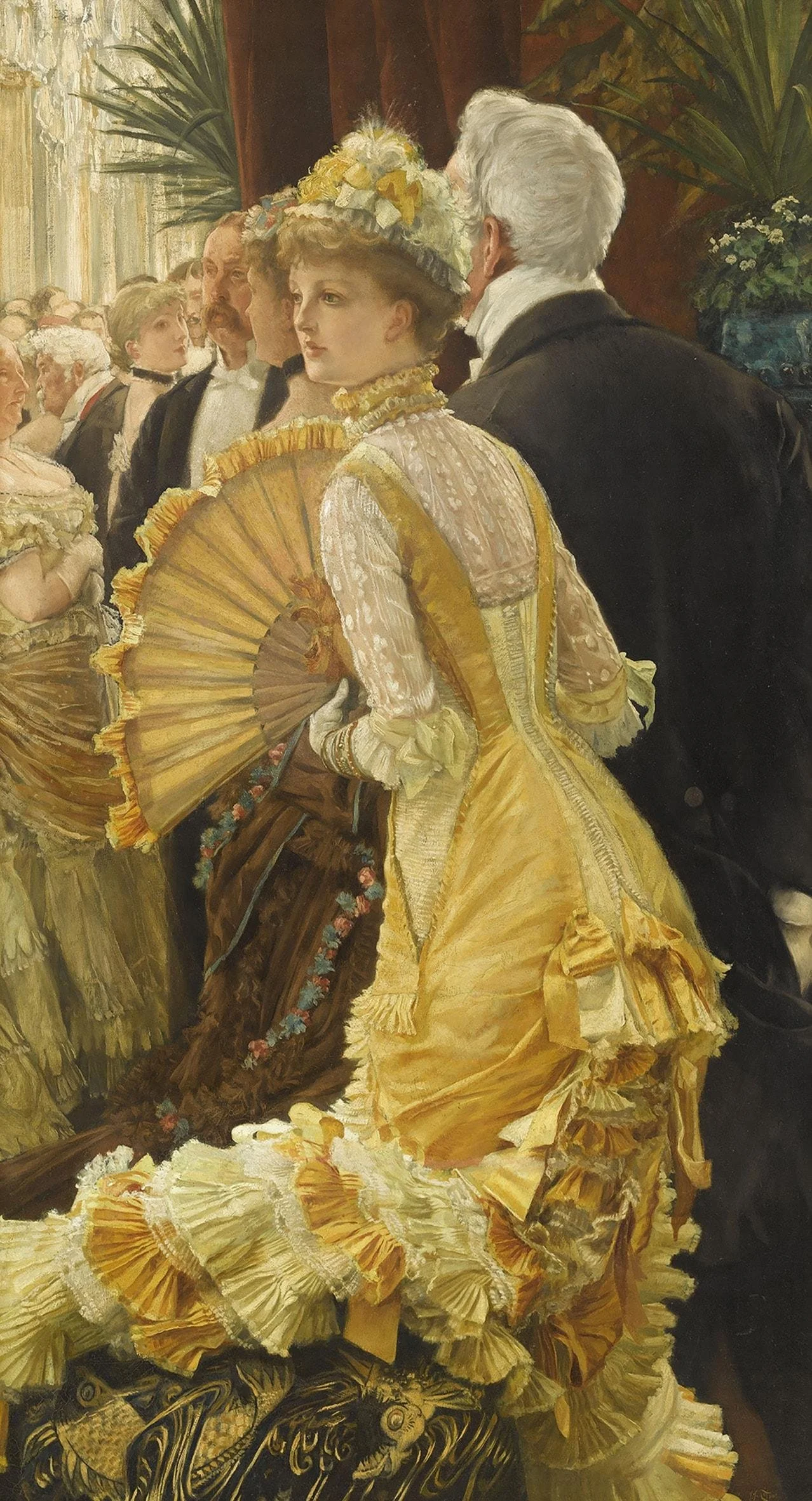
Edward John Poynter, The Ionian Dance: "Motus Doceri Gaudet Ionicos, Matura Virgo, Et Fingitur Artibus"
I was going to call this puzzle “The Unities,” but who cares nowadays about the rigid neoclassical critical standards applied to the drama of the 17th and 18th centuries? Nobody, sadly, but me—and perhaps you, learned solver. If so, I apologize for pandering instead to the degraded popular tastes of the age.
A meek solicitor’s clerk is unexpectedly elevated to the peerage.
Here is a late work by the great Yonge, for whom see Novels003,053,103,155.
“That Stick is not only a pleasant, well-told, healthy story, but it is a careful study of a number of characters. . . . Altogether this is one of the best of the . . . novels that Miss Yonge has published.” Academy, April 4, 1892
“‘That Stick’ is an excellent story in its unpretending way. . . . The materials seem unpromising, and the principal characters commonplace; but, though sensational incidents and titanic emotions are conspicuously absent, the book is full of quiet charm. . . . The personages are excellently contrasted, and the portraiture is singularly natural and sympathetic.” Athenaeum, April 16, 1892
A contrasting view:
“As a novel, this book will have more interest for women than for men, and in all probability more interest for school-girls than for women.” Speaker, February 13, 1892
The two children of an eccentric diplomat marry, with mixed results.
Here is another of the brilliant early novels of W.E. Norris—for whom see Novels002,054,104, and156.
“It is a pleasant story, cheerfully and cleverly told, and containing some really fresh and spirited studies of character and manners.” Athenaeum, December 25, 1880
“A fine book to be read and enjoyed, as it was probably written, slowly and with intention. . . . The author had already attracted attention . . . by his remarkable gift of presenting quite naturally, and without exaggeration, eccentric and unusual types. But after all it is, we suspect, not so much happy instinct as deliberate continence which preserves Mr. Norris from the ensnaring example of Dickens and the deplorable influence of the American humorists. . . . In his method, in his flashes of airy wisdom or grave playfulness relieving a style of old-fashioned dignity and fullness, he recalls” Henry Fielding. Academy, January 22, 1881
“Readers of ‘Matrimony’ will find in it a novel of merit and interest much greater than average. . . . It cannot be said that there is much plot in the story, but there is excellent delineation of character, an easy, flowing narrative and an abundance of kindly humor, which go far to make it a novel to be placed high on the roll in this branch of literature.” New York Tribune, June 7, 1881
A contrasting view:
“A pleasant novel (one part excepted . . .) of the ‘agreeable rattle’ kind. . . . Serious criticism would be out of place in reviewing this tale.” Spectator, February 5, 1881
I conclude this web site’s fourth year with a fourth “Cavalcade of Crosswordese” (see Crosswords052,104,156). And this time, in order to ensure that I’m using only the freshest stale entries available, I’ve drawn them all from recent New York Times themeless puzzles, on the assumption that the most prestigious crossword venue in its most unconstrained format would surely allow only the very best crosswordese that can be had! It’s just another of my tireless labors on your behalf.
Grateful? All you have to do is click on that “Donate” button below and give me some money! (You may also donate through PayPal or Venmo using my email address.) $12 will get you a bonus 15 x 15 “Victorian” puzzle filled only with words in use before 1901; $13.50, a bonus 21 x 21 puzzle; $15, both of these; and $10,000,000, your name on the website.
Ungrateful? Oh well. I won’t bother you again until next year.